
Introduction
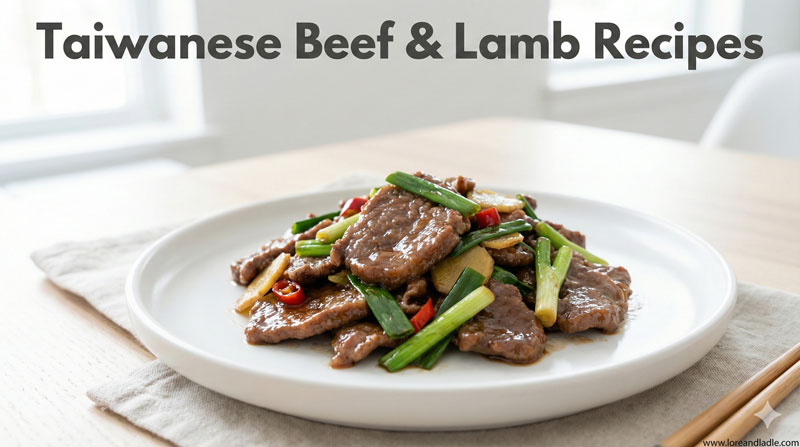
This post introduces the dish “Top 15 Taiwanese Beef And Lamb Recipes Recipes to Try in the U.S.” with a focus on cultural value and culinary significance. These recipes come from Taiwan’s kitchens, markets, and family traditions. They celebrate beef and lamb as generous, versatile ingredients. The dishes honor careful technique, seasonal ingredients, and a spirit of sharing. Readers will find warmth in the stories behind the flavors and clarity in the cooking methods. The goal is to inspire respectful curiosity and joyful cooking in homes across the United States.
Why Beef and Lamb Stand Out in Taiwanese Cuisine
Beef and lamb appear in many beloved Taiwanese dishes. They bring depth, aroma, and comfort to everyday meals. Braising and slow cooking soften the meat and fuse it with soy, spice, and sweet notes. The result is a balance of savory and gentle sweetness that defines home cooking in Taiwan. Lamb, though less common than beef, appears in hearty stews and spice-bright dishes that celebrate bold, fragrant profiles. These proteins highlight tradition while inviting creative adaptation in all-season kitchens. In Taiwanese cooking, the technique often centers on patience. A light simmer, a careful reduction, and the mindful layering of aromatics reveal a dish that feels both timeless and contemporary. The cultural value lies in how families share a meal, how cooks honor ingredients, and how the table becomes a place of welcome and memory.
The 15-Recipe Collection: A Symphony of Techniques
The collection titled Top 15 Taiwanese Beef And Lamb Recipes Recipes to Try in the U.S. presents a spectrum of techniques and flavors. It spans tender braises, rich noodle soups, bright stir-fries, and comforting stews. You will encounter slow braises that cling to the meat and release deep, glossy sauces. You will find clear, clean broths that lift beef and lamb with fresh herbs. There are also quick, high-heat preparations that celebrate profile and texture in minutes. Across these 15 recipes, you will notice common threads: soy salt, a touch of sugar, a splash of rice wine, garlic, ginger, and scallions. Star anise, cinnamon, and five-spice powder appear to carry warmth and complexity. Chinese cabbage, bok choy, mushrooms, taro, and pickled vegetables sometimes join the pot, adding crunch and brightness. The collection invites Home Cooks to explore flavor layering, balance, and the artistry of simple ingredients transformed through technique.
Flavor Building: Common Staples and How They Sing
A few staples bind Taiwanese beef and lamb dishes into a cohesive voice. Soy sauce and sugar create a gentle pull between salty and sweet. Rice wine adds aromatics and a soft tang. Ginger and garlic provide warmth and a clean zing. Scallions contribute fresh brightness. Aromatics like star anise and a dash of cinnamon offer spice without overpowering the meat. Five-spice powder can bring a graceful, lantern-lit depth to braises. Vegetables such as cabbage, greens, and mushrooms soften the plate and echo the seasonal calendar. These ingredients work together to create a harmony that feels comforting, balanced, and bright. The beauty lies in how a few components can transform a humble cut of beef or a piece of lamb into a dish that resonates with home, season, and ritual. Each recipe emphasizes technique—braising, simmering, or quick wok cooking—and patience, which reveals texture and fragrance in clear, inviting ways.
Cooking Moments in the U.S.: Access, Adaptation, and Joy
In American kitchens, these dishes travel well and invite curiosity. Ingredients are often easy to find in fresh markets or larger supermarkets. When something is harder to locate, cooks can substitute with close friends of the core flavors, such as a different cut of beef or a mild lamb portion. The result remains faithful to the intent: savor and balance. These recipes encourage mindful planning and attention to simmer times, to proper browning, and to the order of adding aromatics. The cultural value grows as families and friends cook together, share a meal, and learn about Taiwanese flavors. The culinary significance shines in how a community embraces these dishes, adapts them with care, and carries the memory of tastes from kitchen to kitchen across the United States.
A Gentle Invitation to Home Cooks
If you are new to Taiwanese beef and lamb recipes, start with a simple braise or a comforting noodle soup. Observe how a small amount of soy, a whisper of spice, and a slow simmer create a glossy sauce and tender meat. Gather fresh herbs and vegetables to brighten each dish. Respect the timing, so flavors develop without rushing. Involve family and friends in tasting and adjusting seasoning. The experience is never just about the plate; it is about sharing a moment of care and cultural appreciation. The collection’s 15 recipes offer a guided path—from familiar staples to more nuanced preparations—so every kitchen can welcome these flavors with confidence and joy.
Conclusion
The dish Top 15 Taiwanese Beef And Lamb Recipes Recipes to Try in the U.S. stands as a thoughtful bridge between Taiwan’s culinary tradition and American home cooking. It celebrates beef and lamb as versatile, comforting, and emblematic ingredients. The recipes honor technique, harmony, and hospitality—values that shape Taiwanese dining culture. By exploring braises, soups, and stir-fries, cooks in the U.S. can discover a rich spectrum of textures, fragrances, and memories in every bite. This collection invites curiosity, respect, and delight, inviting everyone to savor Taiwanese flavors with clarity, warmth, and grace.