
Welcome to Taiwan’s Night Market Table: Top 20 Snacks Shaping Today’s Street Food Scene
Taiwan’s night markets are living kitchens. They blend time-honored techniques with fresh ingredients, turning simple bites into cultural rituals. This list highlights twenty street foods and snacks that are trending now, inviting you to savor how each bite carries history, craft, and community. These dishes show how culinary skill meets spontaneity, how texture and aroma guide memory, and how markets become stages for shared joy.
1. Gua Bao (Pork Belly Bun)
Gua Bao captures the idea of a savory, portable meal. The soft steamed bun cushions tender braised pork, crisp pickled greens, and crushed peanuts. Culturally, it embodies the craft of assembling layers that balance sweetness, salt, and acid. Culinary significance lies in its every-person accessibility: a dish born from humble ingredients elevated by technique and care, perfect for a quick, satisfying bite during a bustling night.
2. Stinky Tofu (Chou Doufu)
Stinky Tofu is more than aroma; it’s a study in preservation, fermentation, and contrast. The fermented tofu is fried to a crisp crust and served with pickled cabbage and a punchy sauce. Culturally, it represents Taiwan’s love of bold flavors and communal tasting, where friends gather to compare textures and heat. Culinary value comes from the delicate inside-to-crisp outside balance, and the way fermentation builds depth without overwhelming the palate.
3. Oyster Omelette (O-Ao)
Oyster Omelette brings together seaside ingredients with a quick, high-heat method. Juicy oysters mingle with eggs and a touch of starch to give a shimmery, custardy bite. Its significance rests in coastal influence meeting street techniques: a dish that travels well, invites sharing, and showcases how local seafood can shine even in a crowded stall. The result is savory, slightly briny, and comforting.
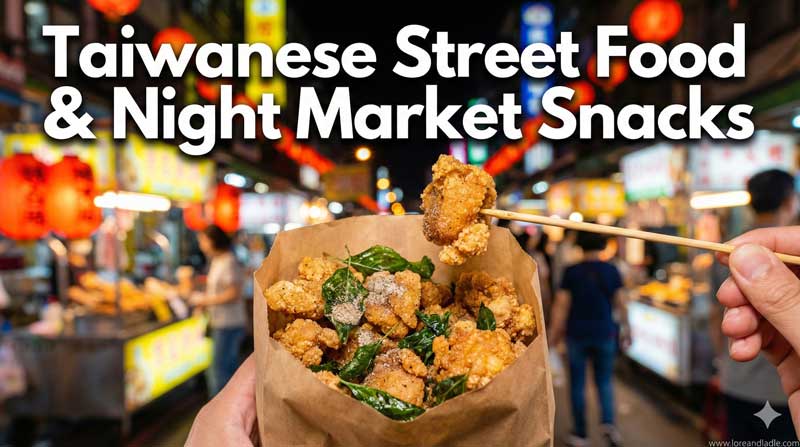
4. Taiwanese Popcorn Chicken (Yan Su Ji)
This crispy bite reflects Taiwan’s fondness for bite-sized, snackable fare. Tender chicken is marinated, battered, and fried to a light, crackly finish. The cultural value lies in its role as a social snack—easy to split, easy to pair with a beverage, and ideal for an evening stroll through the market. Culinary worth shows in its crisp crust, juicy center, and adaptable flavor that stalls tailor with chili or citrus notes.
5. Grilled Squid Skewers
Grilled squid brings the ocean directly to the street. The char, garlic, and citrus glaze sing with smoke and seasonality. Culturally, it demonstrates how fishermen’s ingredients translate into market rituals—cheered by the scent of open flames and the casual timing of friends sharing a skewer. Culinary significance centers on the balance of chew, sweetness from glaze, and the bright snap of fresh seafood.
6. Scallion Pancake (Cong You Bing)
A fragrant, flaky pancake, sometimes with egg, scallion, and sesame. The cultural value lies in its everyday practicality—savory bread that pairs with dips and soups, a staple that travels well between stalls and home kitchens. It’s a study in layering dough and heat, producing a crisp edge and tender center that epitomizes comforting street food.
7. Tian Bu La (Tempura Fish Cake)
This dish blends fish cakes and vegetables in a crisp tempura batter, finished with a glossy sauce. Culturally, Tian Bu La shows how street cooks transform humble fare into bright, satisfying bites with glaze and texture. Culinary significance is found in the mingling of seafood sweetness with savory batter, offering a versatile option for those seeking a lighter, crunchy bite.
8. Beef Noodle Soup (Niu Ro Mian)
Beef Noodle Soup in a street setting highlights careful simmering, tender meat, and a fragrant broth. It reflects Taiwan’s love of comfort food that can be enjoyed on the go or savored slowly with friends. Culinary value comes from the balance of rich broth, chewy noodles, and herbaceous lift from greens and spices—an invitation to slow down and share warmth in a bustling market.
9. Braised Pork Rice (Lu Rou Fan)
Lu Rou Fan turns simple braising into a soul-satisfying bowl. The meat’s melt-in-your-mouth texture with savoriness hugs the rice, making it an everyday favorite. Culturally, it speaks to home-style meals reimagined for street service: small bowls of soul-warming flavor that still feel celebratory in the night air. Culinary significance lies in layering flavors—soy, spice, and fat—into a compact, comforting bite.
10. Fan Tuan (Sticky Rice Roll)
Fan Tuan is a portable breakfast made from sticky rice wrapped around fillings like pork floss, pickles, and egg. Its cultural value is the idea of a practical, flavorful morning treat that travels well into the market’s rhythm. Culinary importance rests in the texture interplay—soft rice, crisp fillings, and a hint of sweet-savory balance that makes it memorable.
11. Bubble Tea (Pearl Milk Tea)
Bubble Tea is a modern classic born in Taiwan’s beverage culture. Chewy pearls meet brewed tea and milk for a refreshing, interactive experience. The cultural value lies in its social ritual: sipping slowly, sharing straws, and translating a local tea tradition into a global phenomenon. Culinary significance includes the interplay of tea aroma, dairy richness, and the textural contrast of pearls.
12. Aiyu Jelly
Aiyu Jelly offers a cool, refreshing counterpoint in a market’s heat. Made from fig-seed gel, it provides a delicate, wobbly bite with a citrusy, lightly sweet finish when dressed with syrup. Culturally, it represents summer’s sweet, simple pleasures and the playful, palate-cleansing aspect of Taiwanese desserts. Culinary value is in its clean flavor and smooth texture that complements many market treats.
13. Mango Shaved Ice
Mango Shaved Ice is a bright, fruit-forward dessert that highlights Taiwan’s generous mango harvests. The snow-like ice, mango cubes, and condensed milk create a refreshing, layered texture. Culturally, it embodies the joy of cooling down after a busy night, while showcasing the artistry of achieving the perfect fluff and syrup balance. Culinary significance rests in maximizing fruit sweetness without overpowering the ice.
14. Peanut Ice Cream Roll
This dessert wraps vanilla ice cream in a crisp sesame-flavored crepe and dusts it with crushed peanuts. The cultural value lies in the playful contrast between warm, crunchy exterior and cool, creamy interior. Culinary significance comes from the harmony of nutty aroma, creamy sweetness, and the sense of a tiny edible gift that’s easy to share in a crowded market.
15. Sweet Potato Balls
Sweet Potato Balls offer a golden, crisp exterior with a softly starchy center. They celebrate simple, root-based sweetness and the craft of frying to achieve the right crunch. Culturally, they reflect Taiwan’s love for comforting, homey flavors presented as a quick street snack. Culinary significance is in their ability to pair well with savory sauces or a sprinkle of sugar and sesame.
16. Sesame Seed Balls (Jian Dui)
Jian Dui are chewy rice-flour dumplings coated in sesame seeds and filled with sweet fillings like red bean or lotus seed paste. Their cultural value is in festive texture and celebratory presentation, often seen during markets’ lively hours. Culinary significance centers on balance—crisp shell, soft interior, and the aromatic sesame crust that signals a happy, social bite.
17. Turnip Cake (Lo Bak Go)
Turnip cake is pan-fried to a crisp-on-the-outside, tender-on-the-inside treat with savory notes from shredded turnip and sometimes small pieces of dried shrimp. Culturally, it links breakfast traditions with night-market versatility, showing how a seasoned pan and simple ingredients can create a comforting, shareable dish. Culinary value lies in its texture contrast and its ability to pair with soy-based sauces and chili.
18. Mochi Ball Desserts
Mochi balls filled with red bean or peanut paste, sometimes dusted with sugar or sesame, appear in many market stalls as a delicate sweetness. The cultural value is in the snack’s soft chew paired with a nutty or sweet interior, reflecting Taiwan’s affection for glutinous textures and gentle flavors. Culinary significance centers on the simplicity of ingredients and the precision required to achieve the perfect chew.
19. Grass Jelly with Syrup
Grass jelly offers a cool, herbal note to counter warmer bites. It’s commonly served with syrup and sometimes milk or fruit. Culturally, it represents the market’s balance of refreshing and satisfying options, a cooling partner to richer snacks. Culinary value lies in the herbaceous chill and the way it brightens other flavors on a plate.
20. Fresh Fruit Skewers with Condensed Milk
Fresh fruit skewers, often finished with a light drizzle of condensed milk, celebrate ripe, seasonal fruit. The cultural value is in market hospitality—serving fruit in a simple, friendly form that invites sharing. Culinary significance includes brightness, natural sweetness, and the easy adaptability of fruit to market-season flavors.
In sum, these twenty snacks illuminate how Taiwan’s night markets are a living pantry of culture and craft. Each bite tells a story of ingredients, technique, and communal joy. They remind us that food in the market is not just sustenance; it is a way to connect with neighbors, celebrate seasonal produce, and honor generations of street cooking. If you explore with curiosity and a mindful palate, you’ll experience a culinary landscape that is as inclusive as it is delicious.
If you’d like, I can tailor this list to a particular city or season, or add practical tips for seeking these dishes at popular night markets.