
Introduction
Taiwanese desserts celebrate balance, texture, and seasonal flavors. This post introduces the Top 7 Taiwanese Desserts And Sweet Treats Recipes for Family Dinners in America, focusing on cultural value and culinary significance. Each dish invites sharing, conversation, and a moment of quiet appreciation around the table. The goal is to savor traditions while inviting new neighbors and family to enjoy these sweets together.
Douhua (Tofu Pudding)
Douhua is a silky soybean pudding with a gentle, comforting presence. Its smooth texture comes from finely curdled soy milk, creating a delicate canvas for flavor. In Taiwan, people often finish Douhua with sweet syrup, brown sugar, or ginger, and add toppings like crushed peanuts, sesame seeds, or red beans. The dish embodies harmony between a clean milk flavor and a warm sweetness, making it a versatile ending after family meals. Serving Douhua at Home or a small gathering emphasizes care, patience, and a shared moment of calm after a busy day. Its simplicity invites cooks to customize, honoring family favorites and seasonal toppings.
Aiyu Jelly
Aiyu jelly is a bright, refreshing bite made from the gel of fig seeds. It is light in sweetness and feels cool and smooth on the tongue. In Taiwan, vendors often serve Aiyu Jelly with honey or a splash of lemon to brighten the fruitiness of the seeds. This jelly pairs well with shaved ice or sweet syrups, making it a favorite in warm weather. Culturally, Aiyu Jelly highlights the joy of simple ingredients transformed into a playful, refreshing dessert. For family dinners in America, it offers a colorful, eye-catching option that invites gentle conversation about texture, balance, and seasonal fruit.
Grass Jelly (Cincau) Dessert
Grass jelly, or cincau, is a dark, silky jelly that can be served cold or warm. It takes on flavors from syrups, condensed milk, or traditional tea, offering a cooling sensation with a comforting bite. Taiwanese cooks value how grass jelly complements both light and rich flavors, providing a contrast in texture and temperature. In a family dinner setting, grass jelly becomes a soothing interlude between courses, showcasing how a single ingredient can support many pairings. Its cultural significance lies in its versatility and the way it invites people to explore different tastes in one simple bowl.
Jian Dui (Sesame Balls)
Jian Dui are small, fried glutinous rice balls with a crisp crust and a chewy interior, often filled with sweet red bean paste or sesame paste. The outer shell crackles when you bite, giving way to a soft, mellow center. These sesame balls carry a sense of celebration and everyday joy, found in bakeries and at family gatherings alike. They symbolize warmth and hospitality, offering a tactile experience that pairs well with a cup of tea after a meal. In American family dinners, Jian Dui introduce a festive bite that invites shared tasting and storytelling about favorite childhood treats.
Pineapple Cake (Fengli Gao)
Pineapple cake is a tender shortcrust pastry filled with bright pineapple jam. Its flavor is tangy-sweet, with a crumbly yet delicate texture that melts in the mouth. Pineapple cake has become a symbol of hospitality and generosity in Taiwanese culture, often exchanged as gifts and shared during family gatherings. For American family dinners, these cakes bring a sunny, inviting presence to the dessert table. They connect seasonal fruit to a comforting pastry, making a statement about balance, precision, and the joy of gifting a thoughtfully made treat.
Taro Balls in Sweet Soup (Tarokyu or Taro Pearl Soup)
Taro balls are chewy, pale spheres made from taro and a starch base, often served in a light sweet soup with red beans, lotus seeds, or sweet potato chunks. The combination of chewy taro spheres, smooth soup, and varied textures celebrates balance and comfort. This dish is a gentle reminder of traditional flavors that travel well, inviting family members to savor a familiar taste while exploring a new setting. In American family dinners, taro balls surface as a heartwarming option that blends texture, warmth, and a touch of nostalgia.
Mango Shaved Ice
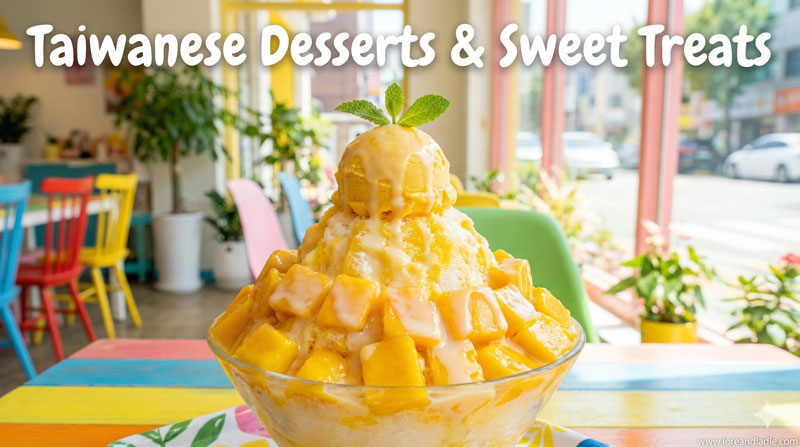
Mango shaved ice is a bright, lemony-orange celebration in a bowl. A mound of finely shaved ice, luscious mango chunks, and a drizzle of condensed milk create a refreshing dessert with vibrant color and a rich, fruity aroma. This treat highlights the season’s bounty and the skill of layering cold textures with juicy fruit. Mango shaved ice invites family members to share a visually appealing dish that awakens the palate and encourages conversation about fruit quality, sweetness, and the art of shaving ice to the perfect fluff. It is a welcome bridge between Taiwanese dessert culture and American summer dining.
Bringing Taiwanese Desserts to Family Dinners
These seven desserts offer varied textures, flavors, and storytelling around the table. They show how Taiwanese sweets can accompany different courses, celebrate seasonal ingredients, and encourage togetherness. For American family dinners, consider setting up a small dessert station with a few bowls, spoons, and toppings so each person can customize their treat. Use fresh fruit when possible, keep syrups simple, and honor the gentle sweetness that defines these dishes. By sharing these desserts, families can explore taste, technique, and cultural value in a warm, inviting atmosphere.
If you’d like, I can tailor this guide to your family’s favorite ingredients or adjust the flavors to suit specific dietary needs while preserving the cultural and culinary essence of each dessert.