
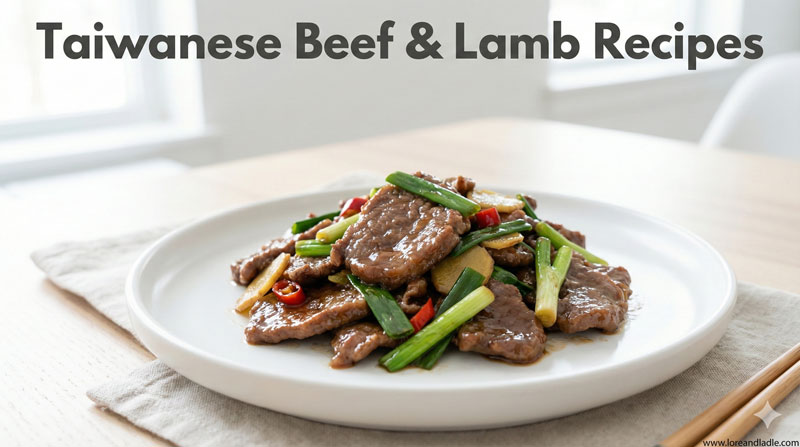
Top 9 Taiwanese Beef And Lamb Recipes Recipes for Taiwanese Food Lovers in America
This collection invites you to explore the cultural value and culinary significance of beef and lamb in Taiwanese cooking. Each dish showcases a harmony of technique, aroma, and tradition that delights the senses. The focus here is on flavor, craft, and the joy of sharing a well-made meal. Expect bright braises, silky broths, and smoky skewers that speak to taiwanese culinary art.
Beef as a centerpiece in Taiwanese cuisine
Beef holds a special place in Taiwan’s cooking palette. Deep braises and rich noodle soups reveal a balance between savory depth and delicate brightness. Common techniques include slow simmering in soy-based sauces, a hint of rice wine, and spices such as star anise and cinnamon. The result is comfort that travels well from kitchen to table. Beef dishes emphasize patience, layering flavor gradually, and serving warmth in every bite. These qualities make Taiwanese beef recipes inviting for Home Cooks and impressive for guests.
Lamb’s distinctive voice in Taiwan
Lamb brings a brighter, brisk contrast to beef in Taiwanese cooking. In night markets and family meals, lamb often appears as skewers with sesame and pepper, or as a hearty hot pot filling. The aroma comes from a thoughtful blend of ginger, garlic, scallions, and peppercorns, letting the meat shine while the spices carry a clean, fresh bite. Lamb also appears in stews and curry-inspired dishes, where herbs and a gentle sweetness mingle with the meat’s natural richness. This variety demonstrates Taiwan’s openness to diverse flavors while keeping a distinctly regional timbre.
Core techniques that knit the dishes together
Across these beef and lamb recipes, several techniques anchor the flavors. Braising in a soy-based sauce builds depth, with time unlocking tenderness. Roasting or broiling adds a smoky edge that complements bright greens and pickles. Marinades use garlic, ginger, and five-spice to frame the meat. Simmering noodles or serving over rice allows the sauce to cling nicely, creating a cohesive plate. Finally, finishing touches like fresh scallions, cilantro, or sesame oil brighten the dishes just before serving. The result is a confident, balanced plate that respects tradition while inviting experimentation.
From markets to home kitchens in America
These dishes travel well to the home kitchen in America, thanks to accessible ingredients and clear, forgiving techniques. Substitutions help cooks adapt without losing essence. For beef, choose cuts that become tender with braising, such as short ribs or chuck. For lamb, shoulder or shank work beautifully in slow-cooked preparations. Common pantry items—soy sauce, rice wine, garlic, ginger, star anise—are widely available. With a few tweaks for heat or sweetness, you can capture the same comforting, soulful flavors that define Taiwanese beef and lamb recipes.
Balancing flavor, seasonality, and texture
Taiwanese cooking prizes balance. Savory meat pairs with a touch of sweetness, a citrusy lift, and aromatic herbs. Textures vary from silky braised meat to chewy noodles to crisp-skinned skewers. Seasonal greens and pickled vegetables add brightness and crunch, keeping the plate lively. This philosophy—balance, clarity, and restraint—lets the beef and lamb shine without overwhelming the palate.
Pairings, plating, and serving ideas
To honor the dish’s character, serve beef and lamb plates alongside simple accompaniments. A light cucumber pickle or pickled mustard greens adds a crisp counterpoint. Steamed rice or fresh noodles provide a neutral stage for the sauce. A pot of oolong or jasmine tea complements the aromatics without overpowering them. Plates look inviting with a few fresh herbs sprinkled on top, inviting guests to savor the aroma before the first bite.
A respectful invitation to share and savor
The Top 9 Taiwanese Beef And Lamb Recipes Recipes for Taiwanese Food Lovers in America celebrate meals as a bridge between flavors and cultures. They honor tradition while inviting home cooks to make them their own. Each dish reinforces the beauty of careful technique, the value of good ingredients, and the joy of gathering around a table. If you approach these recipes with curiosity and care, you’ll taste the heart of Taiwanese food and its enduring culinary spirit.