
Introduction
Welcome to a heartfelt celebration of flavor, technique, and togetherness. The collection titled Top 9 Taiwanese Hot Pot And Family-Style Dishes Recipes for Taiwanese Food Lovers in America centers on dishes that delight the senses and bring people to the table. It highlights how a single pot or a shared platter can carry memory, craft, and a sense of home. The focus here is cultural value and culinary significance, not trends. In America, these dishes invite curious cooks and families to connect with Taiwan’s kitchen wisdom through warmth, balance, and seasonal ingredients.
Taiwanese hot pot: a shared table of warmth
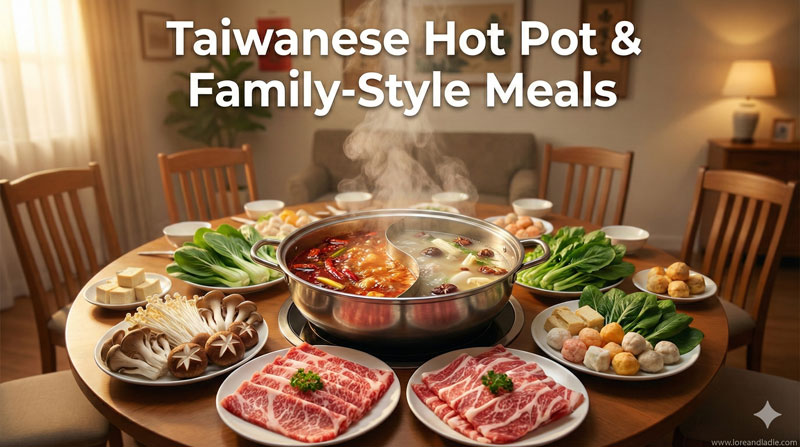
Hot pot in Taiwan is more than a meal. It is a living ritual of conversation, timing, and aroma. A simmering pot becomes a centerpiece where friends and family decide what to cook next, how long to cook delicate greens, and when to cheer for a perfect bite. Steam, fragrance, and the chorus of clinking bowls create a communal rhythm. This style rewards attentiveness to freshness, harmony among ingredients, and patience in building a broth that can carry the food’s character. In this collection, hot pot is presented as both a cooking method and a social practice, rooted in hospitality and culinary generosity.
Dish 1: Classic Taiwanese Hot Pot Stock
The classic stock is the heartbeat of a Taiwanese hot pot. It embodies balance—savory depth with light, clean notes. In it, you might sense aromatic ginger, fragrant green onions, and a subtle kiss of kombu or dried fish for umami. The stock’s beauty lies in its versatility: it welcomes seafood, vegetables, thin slices of meat, and handmade tofu alike. Culturally, it teaches restraint and attentiveness. Culinary significance comes from the stock’s ability to harmonize a diverse lineup of ingredients, turning a simple gathering into a shared tasting journey.
Dish 2: Spicy Tomato Broth Hot Pot
A bright, tomato-forward broth adds sunshine to the table. The acidity enlivens the palate and lifts delicate ingredients while preserving their textures. This pot reflects Taiwan’s openness to regional flavors and seasonal produce, blending Chinese cooking sensibilities with local produce. The spicy note, kept moderate, invites conversation rather than overpowering it. The dish shows how heat and brightness can coexist with balance, a hallmark of Taiwanese flavor philosophy that favors harmony over intensity alone.
Dish 3: Seafood Hot Pot
Seafood hot pot centers on freshness and the sea’s generosity. Oysters, shrimp, and firm fish mingle with vegetables and tofu, all touched by a light broth. Culturally, this dish honors the coastlines that supply ocean treasures and the care used to clean, cut, and present seafood at the table. Culinary significance shines in how the pot captures the sweet and briny notes of seafood while supporting the natural texture of each item. The result is a celebration of ocean ingredients treated with respect and patience.
Dish 4: Three-Cup Chicken (三杯雞)
Three-Cup Chicken is a beloved family dish that showcases the skill of the wok and the layering of simple pantry staples. The name hints at the method: equal parts soy sauce, rice wine, and sesame oil, slowly coaxed with garlic, ginger, and fresh herbs. The richness comes from the careful reduction that coats each piece with a glossy glaze. This dish embodies warmth, home cooking, and the sense that a modest pantry can become a dish of deep comfort. Its cultural value lies in memory-making meals and the confidence of home cooks who master a timeless technique.
Dish 5: Lu Rou Fan — Braised Pork Belly Over Rice
Lu Rou Fan is the quintessential comfort food of many Taiwanese kitchens. Braised pork belly unfolds in a savory, slightly sweet glaze that coats every bite. Served over white rice, it becomes a practical, nourishing meal that families share after a long day. The culinary significance rests in the braising technique, the layering of flavors, and the way the dish celebrates slow cooking as an expression of care. This dish is a bridge between everyday life and festive meals, reminding us how braising transforms humble ingredients into something memorable.
Dish 6: Oyster Omelette (蚵仔煎)
The Oyster Omelette is a street-food treasure that has found a cherished place in family dining as well. It blends eggs, small oysters, and a starchy element to create a crisp edge and a soft interior. Greens add color and balance to the bite. Culturally, it speaks to the island’s abundance and the ingenuity of cooks who turn simple ingredients into a dish that feels festive and comforting at once. Culinary significance lies in texture play, the careful balance of briny seafood with eggy richness, and its status as a unifying dish that appears in homes and markets alike.
Dish 7: Sesame Oil Chicken (麻油雞)
Sesame Oil Chicken is a nourishing staple, especially in cooler months. Tender chicken meets the warm aroma of sesame oil, ginger, and garlic, inviting slow simmering and careful timing. The dish emphasizes nourishment, family care, and seasonal comfort. Its cultural value rests in its role as a restorative, heartening dish that families prepare to welcome guests or celebrate a quiet evening together. The culinary significance is in how sesame oil and aromatics build depth without heavy sauces, letting the chicken shine.
Dish 8: Braised Tofu with Mushrooms and Preserved Vegetables
This vegetarian option demonstrates the versatility of braising in Taiwanese cooking. Tofu soaks up soy, mushroom sweetness, and the savory tang of preserved vegetables. The result is a comforting, crowd-pleasing dish that respects plant-based eating while remaining deeply flavorful. Culturally, it highlights the importance of balance and seasonality, offering a path for mixed tables where meat, seafood, and vegetables share the same stage. The culinary significance is in transforming everyday staples into a dish with character and warmth.
Dish 9: Sweet and Sour Pork
Sweet and Sour Pork is a bright finale that harmonizes sweet, sour, and savory notes. The glossy glaze, the crisp outer coating, and the tender interior make every bite lively and joyful. Culturally, the dish reflects a love of color, balance, and clear, approachable flavors that can engage diners of all ages. Culinary significance lies in technique—achieving a glossy, lacquered finish while keeping the meat tender—and in showing how a dish can feel festive without being heavy.
Pairing and plate setting: inviting sharing rituals
In Taiwan, the way dishes are served reinforces connection. Shareable bowls, small plates for dipping and nibbling, and a central pot or platter encourage conversation and eye contact. For Americans exploring these flavors, set the table with a mix of stainless-steel and ceramic bowls, provide crisp napkins, and offer fresh herbs or sliced scallions for finishing touches. A simple rice bed beneath braised dishes helps balance rich flavors, while light, aromatic teas cleanse the palate between bites. The overall effect is a table that invites everyone to contribute, taste, and linger.
Cultural value and culinary significance
This collection foregrounds the cultural value of shared meals. It celebrates hospitality, memory-making, and the skill of cooks who transform everyday ingredients into comforting dishes. The dishes illustrate how Taiwanese cooking blends technique with seasonal intelligence, respect for ingredients, and a spirit of generosity. Each item offers a window into a kitchen where patience, balance, and community are central. For Taiwanese food lovers in America, the set provides a bridge to home flavors and a path to introduce these flavors to friends and neighbors with warmth and clarity.
Conclusion
Top 9 Taiwanese Hot Pot And Family-Style Dishes Recipes for Taiwanese Food Lovers in America invites readers to savor more than taste. It invites a sense of belonging at the table, where broth, braise, and bite come together in harmony. The dishes reflect a culture that values shared moments, careful technique, and joyful abundance. Whether you are cooking for a family night, a gathering with friends, or simply exploring Taiwanese cuisine, these dishes offer approachable beauty, respectful tradition, and culinary delight that can enliven any kitchen in America.