
Introduction: A Taste of Taiwan’s Main Dishes
Taiwanese cuisine shines in its ability to honor ingredients, technique, and shared moments around the table. The best classic Taiwanese main dishes offer more than nutrition; they tell stories of home, care, and seasonality. in the United States, these dishes have found welcoming kitchens and eager palates. They invite cooks to explore balanced flavors, simmering traditions, and the joy of cooking for others. This post celebrates the cultural value and culinary significance of these favorites, exploring how they enrich food culture wherever they are prepared.
Beef Noodle Soup: A Warm Embrace for the Senses
Beef noodle soup stands as a symbol of comfort and skill. Chefs simmer beef until it becomes tender, then simmer it again in a broth spiked with aromatics like ginger, garlic, star anise, and cinnamon. The result is a clear, fragrant broth that carries depth, while noodles await soaking up that warmth. In homes and restaurants across the United States, this dish invites slow enjoyment. It is more than a meal; it is a ritual of patience and care. The ritual continues as bowls are shared, garnishes added, and the aroma travels through kitchens, inviting conversation and happiness. The dish respects tradition while adapting to local kitchens, demonstrating how core flavors stay alive and evolve together.
Braised Pork Rice: Comfort in a Single Bowl
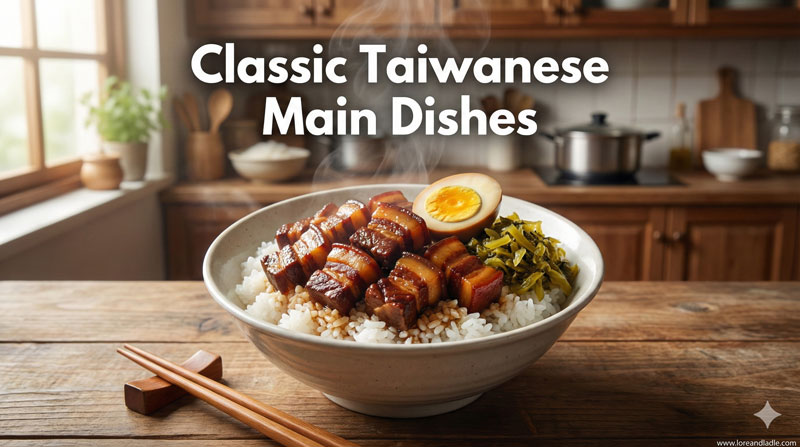
Braised pork rice, or lu rou fan, centers on succulent pork belly slowly braised in soy, sugar, garlic, and spices. The sauce glazes the meat and clings to each grain of steamed rice. The technique highlights balance: savoriness softened by a touch of sweetness, plus the warmth of aromatics. In the United States, this dish often arrives at the table as an uncomplicated, deeply comforting meal. It teaches a key cultural idea: simple ingredients, patiently tended, can yield profound satisfaction. The dish also reflects a hospitality value—sharing a generous bowl brings people together, and the aroma invites others to gather, sample, and savor.
Three-Cup Chicken: Fragrance, Focus, and Flavor
Three-Cup Chicken showcases technique and timing. The name hints at the cornerstone ingredients—soy sauce, rice wine, and sesame oil—used in generous, finishing harmony. Chicken is pan-seared to encourage a lacquered surface, then braised with garlic, ginger, and fresh basil. The result is a glossy, fragrant dish with a bright herbal note that lifts the palate. In homes and eateries across the U.S., this dish demonstrates how careful proportion and patience yield a signature aroma and texture. It is a lesson in balance: high-impact flavor from modest ingredients, prepared with mindful attention to heat, aroma, and finish. The dish often becomes a centerpiece for gatherings, celebrated for its inviting scent and satisfying bite.
Gua Bao: The Cloudy Bun and Layered Fillings
Gua bao presents a soft, steamed bun that wraps a generous filling. Typical toppings include braised pork, pickled mustard greens, fresh cilantro, and crushed peanuts. The assembly invites creativity and sharing, turning a single serving into a miniature sandwich that can reflect a family’s preferences. The dish emphasizes technique as well: the bun must be pillowy, the meat tender, and the balance of sweet, sour, and savory right on cue. In American kitchens and eateries, gua bao has attracted a wide audience for its playfulness and its versatile, customizable nature. It highlights how texture and contrast—soft bun with savory filling and crisp toppings—can express cultural flavor in a compact, approachable format.
Oyster Omelette: Texture, Brine, and Harmony
Oyster omelette brings together eggs, small oysters, and a touch of starch to create a crisp-edged, tender-centered dish. The briny bite of the oysters contrasts with the egg’s mellow richness, while a light glaze or sauce adds sweet-savory balance. This dish showcases how Taiwanese cooking uses texture and contrast to build a memorable mouthfeel. In the United States, oyster omelette is celebrated for its interplay of soft and crisp textures, as well as its ability to showcase shellfish in a comforting, homey format. Its presence on menus and in kitchens reinforces a culture that values precision in technique and joy in tasting.
Shared Techniques and Cultural Significance
Across these dishes, several themes recur. First, patience and control of heat elevate flavor. Slow simmering and careful timing turn tough cuts into tender bites and transform plain ingredients into rich, layered dishes. Second, balance matters. Sweet, salty, sour, and umami rhythms are woven together to create a harmonious plate. Third, communal dining matters. These dishes often appear as family meals, celebratory suppers, or shared plates that invite discussion, curiosity, and connection. Finally, adaptability strengthens culture. When cooks in the United States reproduce these dishes, they often adjust for local ingredients while preserving the core aroma and technique that define the dishes’ identity. This adaptability helps keep Taiwanese main dishes relevant and inviting across different kitchens and seasons.
The Role of Ingredients in Cultural Expression
Key ingredients—soy sauce, garlic, ginger, rice, scallions, and fresh herbs—carry cultural resonance because they appear repeatedly in everyday cooking. The way these ingredients are used reveals an approach to food that honors seasonality and regional flavors. In both Taiwan and the United States, fresh produce and well-made sauces help sustain a sense of place at the table. The emphasis on rice as a staple and on braising or simmering techniques reflects a culinary philosophy focused on nourishment, patience, and the pleasure of sharing a well-prepared dish. This shared vocabulary of ingredients and methods fosters appreciation across borders while allowing each kitchen to imprint its own character on the dish.
How These Dishes Live in American Tables
In the United States, these classic Taiwanese main dishes appear in a range of settings—from family dinners to multicultural eateries and fine-casual restaurants. They serve as approachable introductions to Taiwanese flavors while offering depth for seasoned palates. Home Cooks often adapt recipes to match available ingredients, yet keep the core techniques intact. The result is a living dialogue between traditions: a way to honor a time-tested repertoire while inviting new flavors and textures into everyday meals. The cultural value lies in this invitation to explore, learn, and share—a reminder that food can be a warm bridge between kitchens and communities.
A Gentle Call to Explore and Celebrate
If you seek to understand Taiwanese cuisine through its classic main dishes, start with the senses: listen for sizzling garlic, inhale the aroma of soy and spices, and savor the balance of textures in each bite. Observe how a simple bowl of beef noodle soup can carry memory, family, and craft. Notice how gua bao invites customization and conversation. Recognize how lu rou fan turns ordinary rice into a comforting, complete meal. Each dish offers a window into a culinary culture that values care, skill, and the joy of sharing.
Conclusion: A Living, Loved Tradition
The best classic Taiwanese main dishes are more than recipes. They are practices of patience, balance, and hospitality. They travel well, adapt gracefully, and enrich American tables with their warmth and depth. In every bowl, bite, and bite-size bite, there is a story of tradition meeting modern life. By honoring these dishes, cooks and diners alike celebrate a cuisine that remains inviting, respectful, and deeply flavorful.