
Introduction
Welcome to a thoughtful exploration of Best Classic Taiwanese Main Dishes Ideas for Your Next At-Home Feast. This guide highlights dishes that carry culture, craft, and a shared spirit of Home Cooking. Each dish speaks to careful technique, fresh ingredients, and the joy of gathering people around a table. The goal is to celebrate culinary significance while inviting you to savor every bite with curiosity and care.
Beef Noodle Soup: The Heart of Taiwanese Comfort
Beef noodle soup stands as a beloved cornerstone of Taiwan’s dining culture. It blends slow-simmered beef with a fragrant, balanced broth and firm noodles. The aroma alone signals warmth and hospitality. Cooks value patience here: bubbling broth develops depth from bones, aromatics, and a touch of sweetness. The dish teaches how harmony emerges from contrasts—rich meat, bright greens, and a savory-sweet broth. In homes and eateries alike, a steaming bowl becomes a shared moment, a reminder that comfort can be both simple and richly layered. The texture of hand-cut noodles, the tenderness of meat, and the glow of the broth all mirror a tradition that values layering flavors with restraint and respect.
Lu Rou Fan: A Humble Classic of Home Cooking
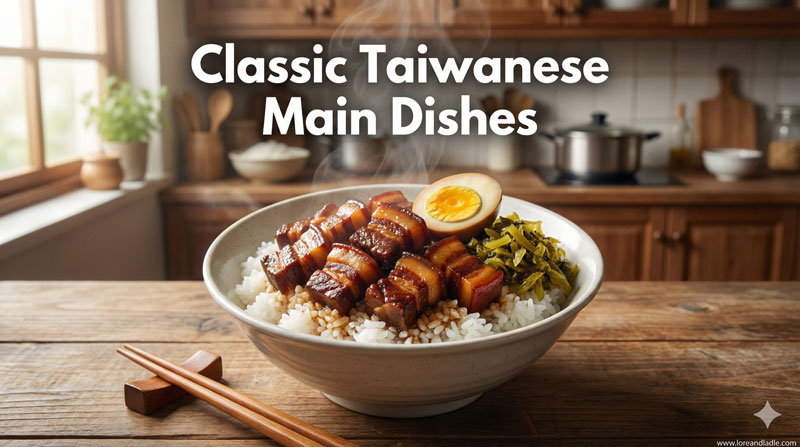
Lu Rou Fan, or braised pork over rice, embodies everyday food that elevates daily life into a ritual of warmth. The pork melts softly as it braises in soy, sugar, and aromatic spices. The dish centers on balance: savoriness from soy, a gentle sweetness, and a touch of spice that lingers. Rice acts as a quiet stage for the glossy pork, letting its glaze shine. This dish carries cultural value by highlighting how family cooks transform affordable ingredients into something comforting and memorable. It invites slower cooking, careful timing, and a mindful plate where texture and gloss meet. In homes across Taiwan, Lu Rou Fan is more than nourishment; it is a keeper of shared memories and the everyday artistry of home kitchens.
Three-Cup Chicken: A Symphony of Aroma and Technique
Three-Cup Chicken showcases a particular philosophy of flavor—equal parts sesame oil, soy sauce, and rice wine—saved from the heat to coax out fragrance. Garlic, ginger, and fresh basil join the mix, releasing an aroma that fills the room. The cooking technique emphasizes patience and balance: the sauce reduces gently, coating every piece of chicken with a lacquer-like gloss. This dish signals a culture that values aroma as a guide to taste, as well as the comfort of a well-seasoned pan. Its prominence in family dinners and casual gatherings speaks to how technique and ingredient choice can celebrate simplicity while delivering a memorable, restaurant-like finish at home.
Oyster Omelette: Coastal Flavor and Texture
Oyster Omelette brings a bright, coastal character to the table. Fresh oysters mingle with eggs and a starch-based batter to yield a crispy edge and a custardy center. The dish often features scallions and a glossy sauce that subtly balances saltiness with sweetness. Its cultural significance lies in its accessibility: it connects coastal markets with home kitchens and street-level cooking in many neighborhoods. The texture play—crisp exterior, creamy interior—offers a tactile pleasure that families and friends naturally seek in a shared meal. Oyster Omelette demonstrates how Taiwan’s coast and markets contribute to its culinary vocabulary, enriching home cooking with sea-fresh flavors.
Gua Bao: A Street-to-Table Favorite
Gua Bao, sometimes called the Taiwanese sandwich, brings together a soft, steamed bun, meat, and bright toppings. Roasted or braised pork, pickled mustard greens, crushed peanuts, and a dab of hoisin or a savory-sweet sauce create a harmonious bite. The dish embodies balance, texture, and adaptability: you can adjust fillings to suit seasons, tastes, and available ingredients. Culturally, Gua Bao bridges street fare with homestyle meals, reminding us that a simple bun can carry big flavor and generous storytelling. It’s a celebration of sharing—finger-food style—at the center of a table crowded with friends and family.
Crafting Your At-Home Feast: Building Cultural and Culinary Value
To honor the cultural value and culinary significance of these dishes, consider how they pair and pace a meal. Start with a light, fresh dish or a crisp side to awaken the palate. Follow with a hearty main like Beef Noodle Soup or Lu Rou Fan, then offer a savory, textural highlight such as Oyster Omelette or Gua Bao. Finally, close with a comforting, familiar note—perhaps a simple fruit dessert or a small tea ceremony moment. The key is to let each dish stand on its own while weaving a thread of shared experience through the courses.
- Ingredient choices matter: prioritize fresh aromatics, quality soy, and seasonal greens to capture authentic flavor.
- Time and sequencing: plan simmering and steaming so dishes finish together, enriching the table with aroma and anticipation.
- Plating and aroma: a simple garnish and a warm bowl can elevate the dining experience while honoring tradition.
Sourcing and Serving: Respectful, Thoughtful Practices
Select ingredients with care, aiming for freshness and local availability when possible. Midweek shopping can support richer flavors in braises and broths by the time you cook. When serving, offer guests a brief note about the dish’s place in Taiwanese home cooking. A clear explanation of the dish’s texture, aroma, and balance helps everyone appreciate the craft behind the plate. Remember, the beauty of these dishes lies not only in taste but in the stories they carry and the conversations they spark at the table.
Conclusion: A Feast That Feels Like Home
These classic Taiwanese main dishes illuminate cultural value through their reliance on balance, technique, and shared meals. They celebrate seafood, pork, and beef with respect for seasonality and craft. At your next at-home feast, let beef noodle soup warm the room, lu rou fan comfort the heart, three-cup chicken perfume the air with aroma, oyster omelette delight the senses, and gua bao invite playful gatherings around a single, satisfying bite. In embracing these dishes, you invite a sense of place, family, and culinary artistry to your table—an invitation to savor Taiwan’s rich, welcoming food culture with every bite.