
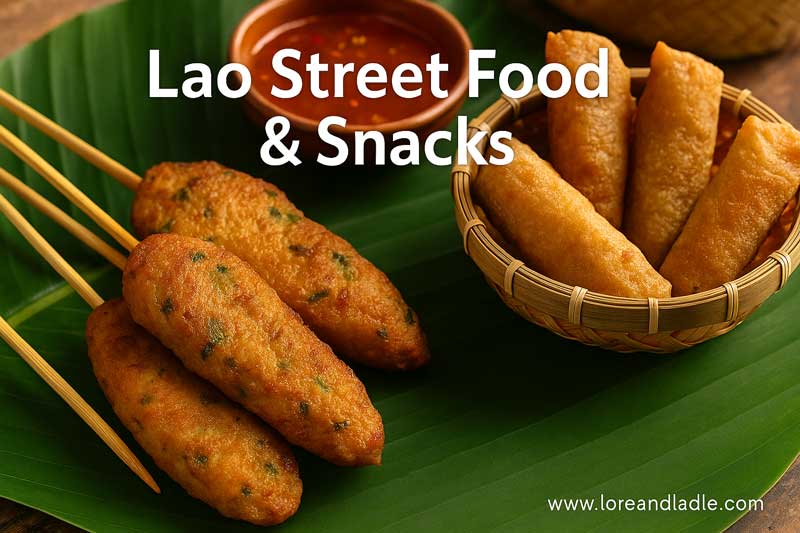
Introduction: A Journey Through Lao Street Food in the United States
Lao street food travels with bright aromas, bold textures, and stories that gather people around a single table. in the United States, Lao snacks and street eats bring a warm sense of home to bustling markets, food halls, and neighborhood stalls. Each bite carries a balance of freshness, spice, and affection that has shaped Laotian culinary culture for generations. This post offers an inviting look at the Ultimate List of Lao Street Food & Snacks you can explore in the U.S., focusing on cultural value and culinary significance. First, you will discover the core staples, then the vibrant pairs that elevate a simple snack into a shared ritual.
Sticky Rice: The Foundation of Lao Street Food
Sticky rice, or khao niao, is more than a staple. It is a canvas for flavor and a vehicle for togetherness. In Lao street scenes, cooks steam small bamboo baskets of glutinous rice and serve it in palm-sized portions. People shape a finger-width ball of rice to scoop dips, slices of grilled meat, and crisp vegetables. The texture is tender yet slightly chewy, inviting linger and conversation. The rice itself speaks to the land: fields, rain, and careful harvests. When you taste it in the U.S., you taste centuries of family gatherings, market stalls, and the simple joy of sharing a meal with friends. Pair it with laap, with jeow dips, or with slices of sai oua for a complete bite that honors tradition while welcoming new audiences.
- Why it matters: Sticky rice anchors meals and mediates bold flavors. It teaches balance between softness and chew, a signature of Lao street fare.
- How to experience it in the U.S.: Look for Lao markets and food stalls that present rice in neat, steaming heaps. Use the rice as a spoon for sauces and herbs, and notice how the textures harmonize.
Sausage and Skewers: Sai Oua and Grilled Delights
Next, see how grilled meat and aromatic sausages convey regional character in every city you visit. Sai oua is a Lao sausage crafted with lemongrass, kaffir lime, shallots, garlic, and a chorus of spices. It is usually grilled over charcoal, giving a smoky edge that brightens with fresh herbs. Alongside sai oua, you’ll often find skewers of pork or chicken—simple, lean morsels seasoned with chili, garlic, and herbs, then grilled to a crisp exterior while staying juicy inside. The experience is social: a tray of skewers shared among friends, the scent rising as a welcome to the table.
- Culinary significance: Grilled meats showcase the Lao skill of layering aroma with freshness. Herbs like mint, cilantro, and dill light up the dish and lift the meat with each bite.
- In the U.S.: Seek out Lao eateries and markets that grill on-site. Taste the balance of fat and lean meat, and notice how herbs cut through richness with brightness.
Laap and Jeow: The Bright Core of Flavor
Laap (larp) sits at the heart of Lao culinary identity. This bright, peppery minced-meat salad uses lime juice, fish sauce, roasted rice powder, and a chorus of herbs. The texture shifts from soft meat to tangy crunch as the roasted rice powder adds a gentle toasty note. Jeow, the family of chili dips, accompanies laap and sticky rice with extra zing. These dips range from tomato-forward to herb-packed and sometimes smoky from char. The result is a dynamic duo: laap’s clean, zesty meat and jeow’s electric kick, a dance of heat, sourness, and fragrance.
- Cultural value: Laap embodies communal eating and balance. The lime and fish sauce mirror the region’s Love for bright acidity, while herbs connect people to fresh ingredients from markets.
- Culinary significance: The use of roasted rice powder adds texture and a subtle toasty flavor that rounds out spice. Jeow dips invite dipping culture and shared tasting.
- How to explore in the U.S.: Pair laap with sticky rice and a selection of jeow dips at Lao stalls. Notice how the lemony brightness contrasts with the herbaceous greens.
Papaya Salad the Lao Way: Som Tam Lao
Next, savor Lao-style papaya salad, known locally as tam mak hoong in Lao and often presented with a robust, tangy bite. Grated green papaya, carrots, lime, chilies, and garlic come together in a lively mix. Peanuts, dried shrimp, and long beans sometimes appear in the mix, adding crunch and depth. The dish is both refreshing and assertive, making it a perfect counterpoint to rich meats or creamy coconut dishes. The Lao version emphasizes a balance among sour, spicy, salty, and a touch of sweetness.
- Cultural value: This salad is a daily joy, built for sharing and adapting to what’s fresh at the market. It demonstrates how Lao cooks balance bold flavors without overpowering each other.
- Culinary significance: The dressing’s acidity awakens palate and appetite, while herbs and veggies contribute brightness and texture.
- In the U.S.: Seek Lao-Thai fusion stalls and dedicated Lao eateries that offer tam mak hoong; watch vendors tailor the heat to taste, a sign of hospitality and care.
Noodles and Comfort: Khao Piak Sen
For a comforting bite, try Khao Piak Sen, Lao-style rice noodle soup. This bowl features a gentle, savory broth poured over soft rice noodles, with herbs, scallions, and a touch of lime. It is a reminder that street food can be soothing as well as exciting. In many Lao communities, a warm bowl brings people together after work or travel, inviting conversation and a sense of belonging.
- Culinary value: This dish shows how Lao cooks translate simple ingredients into nourishment that warms the soul.
- Textural note: Slippery noodles mingle with crisp herbs and a bright citrus lift, a gentle counterpoint to the spicy and salty elements common in other Lao bites.
- U.S. experiences: Look for Lao noodle soups in Asian markets or Lao-focused booths at farmers markets; savor the aroma as you begin.
Sweet Finish: Mango Sticky Rice and Coconut Treats
No Lao street-food journey is complete without a sweet ending. Mango sticky rice—khao niao ma muang—is a harmony of ripe mango, coconut cream, and the soft, fragrant grains of sticky rice. The coconut sauce drapes the rice in creamy sweetness; the mango adds a bright, fruity finish. It is a festival of textures and a reminder that desserts can echo the day’s savory adventures.
- Cultural value: This dessert marks celebrations and everyday joy alike. It’s a personal treat and a shared moment.
- Culinary significance: The coconut cream enriches the rice and acts as a bridge between sweet and savory flavors found throughout Lao cuisine.
- In the U.S.: Mango sticky rice appears in many Lao and Southeast Asian eateries, especially when mangoes are in season. It’s a refreshing close to any meal.
Texture, Technique, and the Spirit of Lao Street Food
As you explore these dishes, you’ll notice the shared techniques that define Lao street food. Hand pounding, fresh herb chopping, and careful seasoning shape each bite. Grilling over charcoal adds smoke that deepens flavors. Roasted rice powder brings a savory crunch that unites disparate components. These methods reveal a culture that values timing, balance, and the joy of sharing.
- Techniques to watch for: Hand pounding spices or herbs to release fragrance, quick stir-fry with crisp vegetables, and careful timing of grilling so meat remains juicy.
- Sensory notes to savor: The perfume of lemongrass and dill, the sour tang of lime, the heat of chilies, and the cool bite of fresh herbs.
How to Explore Lao Street Food in the United States
Finally, here are welcoming tips to find and enjoy Lao street foods across the U.S. Seek places where Lao cooks showcase a range of dishes, from sticky rice plates to spicy dips. Attend local food festivals that highlight Southeast Asian cuisines. In conversations with vendors, ask about the origins of sauces, the types of herbs used, and how a dish is traditionally assembled. Taste mindfully, noting how each component contributes to the overall harmony.
- Places to look: Lao-owned markets, Southeast Asian grocery stores with prepared foods, pop-up stalls at night markets, and small eateries specializing in Laotian dishes.
- How to order with ease: Start with a tasting platter that pairs sticky rice with a choice of laap, jeow, and som tam. Then add a grilled item or a noodle soup for balance.
- Etiquette to enjoy: Use a small amount of sticky rice to scoop sauces, follow the natural rhythm of sharing plates, and appreciate the way herbs lift each bite.
In Conclusion: A Living Culture on a Plate
The Ultimate List of Lao Street Food & Snacks to Explore in the U.S. is more than a menu. It is a doorway into a culture that values generosity, bright flavors, and the way food tells stories of place, season, and family. Each dish is a thread in a larger tapestry of Lao culinary heritage, inviting you to savor, learn, and celebrate. Whether you are new to Lao cuisine or revisiting familiar favorites, these bites offer a respectful, delicious path to understanding the beauty of Lao street food and its enduring culinary significance. Enjoy the journey, share the plates, and let the flavors carry you toward new discoveries.