
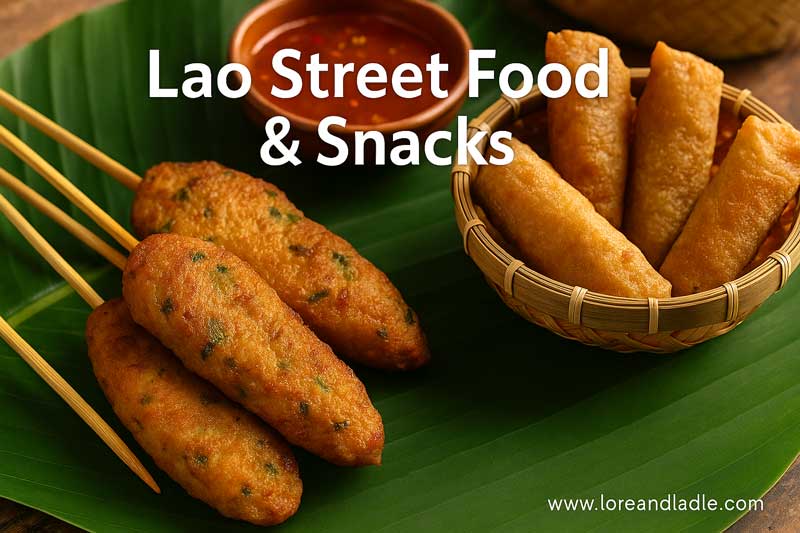
Welcome to Best Lao Street Food & Snacks to Try in the U.S. This Year
Lao street food brings bright joy to the plate. The dishes celebrate simple ingredients with bold balance. This Year, many eateries across the United States offer Lao snacks and street foods with fresh, accessible flavors. The experience is open to all, inviting curious tasters to enjoy a moment of Lao culinary culture. The focus is on taste, texture, and the stories carried by each bite.
What makes Lao street food timeless
Lao street food speaks through rhythm. The rhythm of markets, the crackle of a grill, and the hum of conversations create a living flavor portrait. Fresh herbs, citrus, and fresh chilies wake the palate. Fermented ingredients add depth without heaviness. Most Lao dishes balance sour, salty, spicy, and aromatic notes. This balance mirrors a respect for seasonality and communal dining. In every bite, you feel land and harvest, skill in preparation, and care in serving others. The cultural value lies in shared meals, quick bites that invite longer chats, and the way vendors greet neighbors by name. This is cuisine that rewards attentiveness and curiosity.
Staples you will meet: rice, herbs, and bright sauces
Sticky rice is a central pillar. It is more than a staple; it is a social connector. People roll a small ball of rice in their fingers and dip it into sauces or pieces of meat. Fresh herbs—mint, cilantro, dill—and shredded vegetables brighten each dish. Lime juice and fish sauce add brightness and depth. Chili pastes and tangy dips, often called jeow, provide lively heat. Across Lao street foods, you will notice careful use of herbs and citrus to lift flavors without masking them. These elements show a culinary philosophy that values clarity, freshness, and balance.
Signature dishes and snacks to seek
Larb (laap) stands out as a vibrant, aromatic minced meat salad. It blends meat with herbs, lime, fish sauce, and toasted rice powder for texture. The result is bright, savory, and deeply satisfying. Lao sausage, sai oua, offers a savory bite with herbs such as lemongrass and kaffir lime leaf that perfume the meat as it grills. Mok pa, a steamed fish parcel wrapped in banana leaf, carries delicate fish sweetness balanced with herbs and a subtle spice. Green papaya salad, tam mak hoong, brings crunch and a zing of lime and chili. These dishes embody Lao street flavors: fresh herbs, tangy brightness, and a hint of smoke from grilling.
Snacks in this tradition also include roasted or grilled items, small bowls of dipping sauces, and bite-sized portions designed for quick enjoyment. Each item serves as a doorway to broader Lao flavors, inviting tasters to explore further.
Techniques that elevate Lao cooking
A few core techniques give Lao street food its distinctive character. Hands-on pounding in a mortar and pestle releases essential oils from herbs and spices, creating a vivid, fresh aroma. Grilling over hot coals adds a gentle char and deep, smoky perfume. Steaming in banana leaves preserves moisture and lets subtle flavors mingle. Fermentation and curing bring depth to sausages and sauces, yielding a tang that lights the palate. Finally, folding herbs and citrus at the end preserves brightness, ensuring every bite feels immediate and alive. These techniques, practiced at market stalls and home kitchens alike, weave together tradition and everyday life.
Pairings, sides, and the beauty of balance
Lao meals often feature a chorus of textures. Crunchy fresh vegetables complement tender meat. Rice plays a central role, whether as a soft mound or a sticky scoop. Fresh herbs give brightness, while chili pastes add warmth. Dipping sauces, jars of jeow, and lime wedges encourage personal balance. This approach honors the eater’s preferences and adds a touch of theater to the dining moment. The result is a meal that feels complete, with harmony among sour, salty, spicy, and herbal notes. Such balance is not just taste; it is a reflection of Lao culinary generosity and attention to the table.
How to experience Lao flavor in the U.S. this year
Start with a Lao-focused menu at a trusted restaurant or a well-curated food market. Look for larb, sai oua, mok pa, and tam mak hoong on the menu. Don’t hesitate to ask about the ingredients or to request more herbs for brightness. Seek places that highlight fresh produce, herbs, and clear, vibrant sauces. If you attend pop-up events, arrive early to see the grill and the preparation up close. Watching the cooks fold herbs and squeeze lime can be as rewarding as tasting the dish. The experience is about savoring authenticity, appreciating skill, and enjoying the warmth of Lao hospitality reflected in every plate.
A note on hospitality and gathering around food
Lao cuisine shines in social settings. Sharing small dishes encourages conversation and connection. A table of varied bites invites everyone to try something new, then to share opinions and favorites. This sense of community elevates the eating experience beyond flavor alone. The food becomes a means to celebrate family, friendship, and everyday moments. In readings of Lao street food, you meet people who take pride in their craft and in welcoming guests to explore together.
Final thoughts: embracing Lao culinary heritage
Best Lao Street Food & Snacks to Try in the U.S. This Year invites readers to savor authentic flavors and appreciate the craft behind them. The dishes are approachable yet deeply rooted in tradition. The culinary significance rests in their clear technique, bright balance, and vibrant textures. The cultural value lies in the generosity of shared meals, the skill of preparation, and the joyful energy of markets. As you explore Lao street food stateside, you glimpse a living culture that honors ingredients, processes, and people. The journey is delicious, educational, and warmly inviting.