
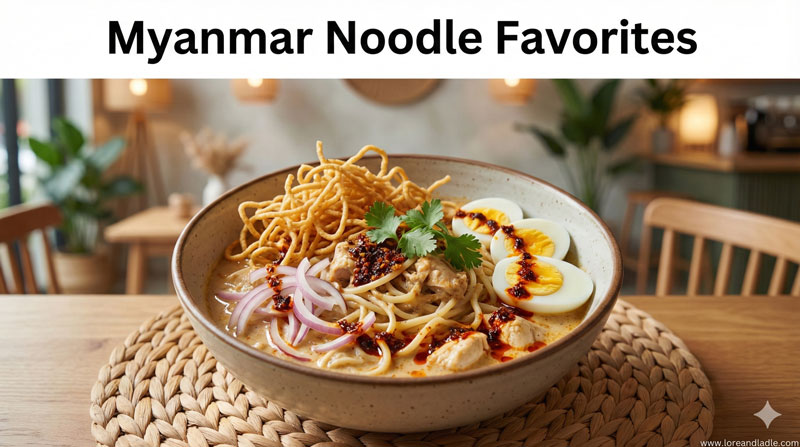
Celebrating Myanmar Noodle Favorites in the United States
Myanmar noodle dishes offer a bright, comforting window into a rich culinary tradition. in the United States, these bowls appear in bustling cities and cozy eateries, inviting diners to explore fresh aromas, balanced textures, and layered flavors. Each bowl reflects careful technique and a respect for ingredients. This post highlights the cultural value and culinary significance of the best Myanmar noodle favorites that are loved right now. You will feel the care behind every simmer, chop, and garnish as you read.
Mohinga: The Heartbeat of Burmese Noodles
Mohinga stands as a warm introduction to Burmese flavors. The dish features a fragrant fish broth, infused with lemongrass, garlic, turmeric, and lime. Rice noodles soak up the broth, while toppings add texture and brightness. In the U.S., Mohinga often arrives steaming hot, with fried shallots, fresh cilantro, and a squeeze of lime to finish. First in the bowl, then in the memory, Mohinga teaches how clear, bright broth can carry complexity. The cultural value lies in its daily presence; it is a meal that can start the day or end it, celebrated for its comforting depth.
- Core elements: fish stock, lemongrass, turmeric, rice noodles, shallots.
- Toppings to savor: lime, cilantro, fried garlic, chili, sometimes a soft-boiled egg.
Shan Noodles: Fragrant Comfort from the Hills
Shan noodles offer a different shade of Burmese noodle culture. Thin rice noodles lie in a light, aromatic sauce that often features turmeric and a savory meat component. The dish feels graceful and approachable, yet it rewards attentive tasting with balance between savoriness and a touch of acidity. In many American bowls, you will find a gentle meat sauce, crisp herbs, and a bright squeeze of lime that brightens the plate. This dish highlights regional diversity within Myanmar, showing how a single noodle can carry echoes of hillside kitchens and bustling towns. The experience is one of calm satisfaction, a reminder that technique and patience yield refined comfort.
- Typical components: thin rice noodles, meat sauce (pork or chicken), turmeric, tomato notes, garlic oil.
- Finishing touches: fried garlic, lime, crushed peanuts, fresh herbs.
Ohn No Khao Swè: Coconut Cream and Comfort
Ohn No Khao Swè brings coconut milk into the noodle bowl with a gentle, creamy touch. The broth leans softly sweet and savory, enriched with coconut and a hint of spice. Chicken meat and noodles swim together in a velvety sauce that feels indulgent yet balanced. In American kitchens, this dish shines when the coconut cream coats each strand and the toppings add texture—crunchy threads of fried chickpea flour or shallots, and a splash of lime to awaken the richness. The dish embodies culinary hospitality: a generous bowl that invites sharing and conversation.
- Signature notes: coconut milk, chicken, rice or egg noodles.
- Toppers: fried shallots, lime wedges, chili oil, a light dusting of chickpea flour croutons.
Meeshay and Kauk Swe: Noodle Mosaics for Every Palette
Meeshay represents a family of noodle bowls where rice noodles meet a savory sauce and a variety of accompaniments. The sauce can be tomato-based with garlic, onion, and sometimes a touch of唐 pepper, balanced by herbs and pickled vegetables. Kauk Swe offers another noodle experience, combining noodles with a fragrant meat sauce and crisp textures on top. In the United States, these bowls win fans with their versatility: you can adjust heat, acidity, and crunch to suit personal taste. The cultural value rests in how these dishes layer textures and flavors, inviting diners to assemble the bowl with intention. They teach that Burmese noodle cooking honors both comfort and nuance.
- Common components: rice noodles, meat or savory sauce, tomato notes, fresh herbs.
- Popular accompaniments: lime, chili, fried onions, crunchy toppings.
The Craft Behind Burmese Noodle Bowls
The skill in these bowls lies in balance. Broth is built slowly, allowing seafood, coconut, or meat to impart depth without overpowering the noodle itself. Noodles are chosen for texture, whether smooth rice noodles or resilient strands that hold sauce. Fresh herbs, lime, and chili act as brighteners, ensuring every bite stays lively. In the United States, chefs honor these techniques while adapting to available ingredients. The result is a respectful fusion that preserves core flavors while inviting new diners to taste Burmese culture through noodle craft.
- Core technique: simmering broths to extract aroma, then layering with bright toppings.
- Key ingredients: fish sauce or soy, lime, fresh herbs, toasted aromatics.
A Living Flavor in American Dining Rooms
These Myanmar noodle favorites thrive in the American dining scene because they offer clarity of flavor, flexibility, and a welcoming aroma. They invite conversation around the table and encourage curious tasting. The bowls celebrate a culinary language built on balance—savory, sour, sweet, and spicy working in harmony. As more restaurants present these dishes, they become everyday portals to a culture that holds tradition with grace and openness. The cultural value is not only in taste; it is in the shared experience of savoring a bowl that respects craft, seasonality, and community.
How to Enjoy These Dishes at Home
- Start with a clear broth or a gentle coconut base, then build layers with toppings.
- Use fresh herbs, lime, and a touch of chili to adjust brightness.
- Choose the noodles to match the sauce’s texture for a harmonious bite.
- Pair with a simple side of greens or a light tea to cleanse the palate.
In summary, the best Myanmar noodle favorites loved in the U.S. now offer more than nourishment. They carry a cultural value rooted in balance, technique, and hospitality. They invite everyone to pause, taste, and appreciate the beauty of Burmese noodle craft.