
Introduction: A warm welcome to Best Myanmar Salads & Tea Leaf Dishes Loved in the U.S. Right Now
Today we explore a curated collection that shines a light on Burmese flavors: Best Myanmar Salads & Tea Leaf Dishes Loved in the U.S. Right Now. This dish collection centers on salads and tea leaf dishes that echo a land’s everyday table. The focus is on taste, texture, and the quiet grandeur of shared meals. You will feel how bright lime, nutty crunch, and layered aromas come together. The goal is to celebrate culinary craft with clarity and appreciation.
The Heart of Burmese Salads: Lahpet Thoke and Friends
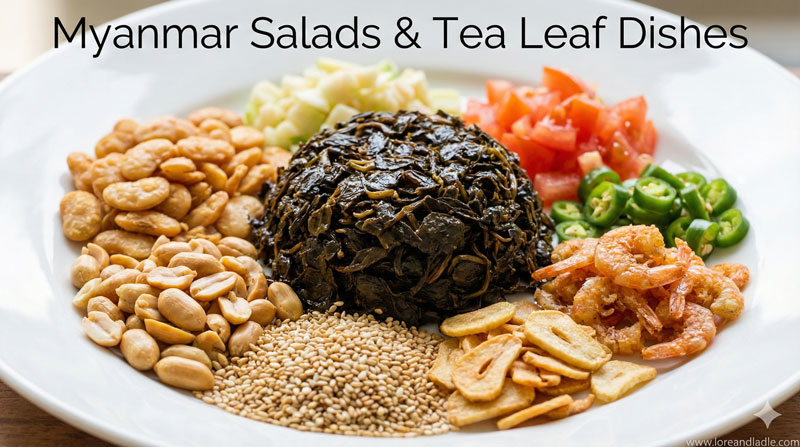
Lahpet Thoke, or tea leaf salad, sits at the cultural core of Burmese salads. It blends fermented tea leaves with cabbage, tomato, sesame, roasted peanuts, and dried shrimp in a bright, savory dressing. The result is a harmony of bitter, sour, and salty notes, wrapped in a crisp bite. Beyond Lahpet Thoke, other Burmese salads offer similar charm: fresh greens, shredded vegetables, herbs, and a dash of lime or fish sauce. Each variation invites tasting with patience, letting the textures sing. The collection in the title highlights both the iconic tea leaf dish and its kin, showing how Burmese cooks build bright, satisfying bowls for everyday meals and celebrations alike.
The Building Blocks: Ingredients and Techniques
Burmese salads rely on a careful balance of elements. Fermented tea leaves provide depth and a slightly funky bitterness. Crunch comes from peanuts, toasted sesame, and fried garlic. A tangy lift arrives from lime juice or tamarind, while a hint of sweetness can come from palm sugar or sugar syrup. Fresh herbs—coriander, mint, or sliced chilies—add brightness. Techniques center on precise chopping, quick mixing, and a gentle hand with dressings so flavors meld without losing the crunch. In the U.S. kitchen, this balance travels well, staying faithful to tradition while inviting modern substitutions that retain the core spirit.
Texture, Balance, and Flavor: What Makes These Dishes Sing
The appeal rests on texture and balance. Crunch contrasts with soft leaves; sour lime meets mild sweetness; the salty depth of fish sauce or soy adds anchor. The tea leaf salad’s shredded leaves catch the dressing, delivering a layered bite that unfolds with each mouthful. The best renditions feel refreshing yet comforting, a harmony you sense from the first aroma to the last bite. This nuanced interplay is a hallmark of Burmese salads and tea leaf dishes, and it explains why the collection resonates with food lovers in the U.S. and beyond.
Cultural Value: Sharing, Craft, and Everyday Hospitality
In Burmese dining, salads and tea leaf dishes honor hospitality. They appear at family meals, market stalls, and festive gatherings, inviting everyone to share and savor. The act of mixing ingredients together becomes a quiet ceremony of care. Each bowl tells a story of seasonality, local produce, and hands-on craft. When you sit with these dishes, you join a long line of cooks who have refined taste through practice and generosity. The cultural value lies not just in flavor, but in how meals become moments of connection and calm.
The U.S. Spotlight: How American Tables Embrace Burmese Salads
In the United States, these dishes are celebrated for their vibrant profiles and approachable freshness. Diners discover a bright alternative to creamy or heavy bowls, enjoying the crisp textures and citrus-driven brightness. Chefs adapt by sourcing local greens, using accessible substitutes for specialty ingredients, and presenting the salads with clear, inviting plating. Yet the essence stays intact: a luminous, balanced dish that invites curiosity and conversation. The popularity in U.S. dining spaces speaks to universal pleasures—fresh produce, savory depth, and a confident, memorable finish.
Bringing It Home: Tips to Create Burmese Salads with Respect and Joy
To recreate the spirit at Home, start with good greens and a reliable dressing mix. Gather cabbage, crisp cabbage or lettuce, shredded tea leaves if available, tomatoes, and peanuts. Toast nuts gently to bring out their aroma. Build the dressing with lime, a touch of fish sauce or soy, a hint of sugar, and a dash of chili for warmth. Mix carefully and taste often, aiming for a bright, balanced finish. Don’t rush the melding of flavors; allow the textures to unite in harmony. Finally, serve with a small bowl of additional lime or chili on the side so everyone can adjust to their preference.
Conclusion: A Living Bridge of Flavor and Craft
Best Myanmar Salads & Tea Leaf Dishes Loved in the U.S. Right Now offers more than a meal. It presents a care-filled approach to ingredients, technique, and sharing. The dishes celebrate freshness, balance, and the joy of gathering around a bowl. They invite cooks and diners to slow down just enough to notice the crisp leaf, the nutty crunch, and the bright finish. In this way, Burmese salads and tea leaf dishes become a peaceful, delicious bridge between kitchens and communities, teaching appreciation through every bite.