
The Hook
On a quiet morning, a tray of warm pandesal sits on the kitchen sill. The label on the bag reads Best Pandesal Recipes in the U.S. for sharing Filipino flavors, and the scent travels through the house, inviting conversation before the day begins. A neighbor stops by with a cup of coffee, and the two of us break bread, the crust giving way to a soft, slightly sweet crumb. That simple moment—bread shared over laughter and small talk—embodies Best Pandesal Recipes in the U.S. for sharing Filipino flavors.
The Trust Indicator
Jump to Recipe. Core idea in brief: soft, airy rolls with a gentle sweetness and a toasted crust, often dotted with sesame seeds. Core ingredients at a glance include flour, yeast, sugar, salt, milk or water, and butter or oil, with sesame as a classic topping. The high-level method comes down to a tender dough, a gentle rise, shaping into small buns, a sesame finish, and a warm bake. Best Pandesal Recipes in the U.S. for sharing Filipino flavors also invites varied fillings and toppings, from cheese to jam, offering easy, comforting pairings for coffee or tea.
The Deep Dive
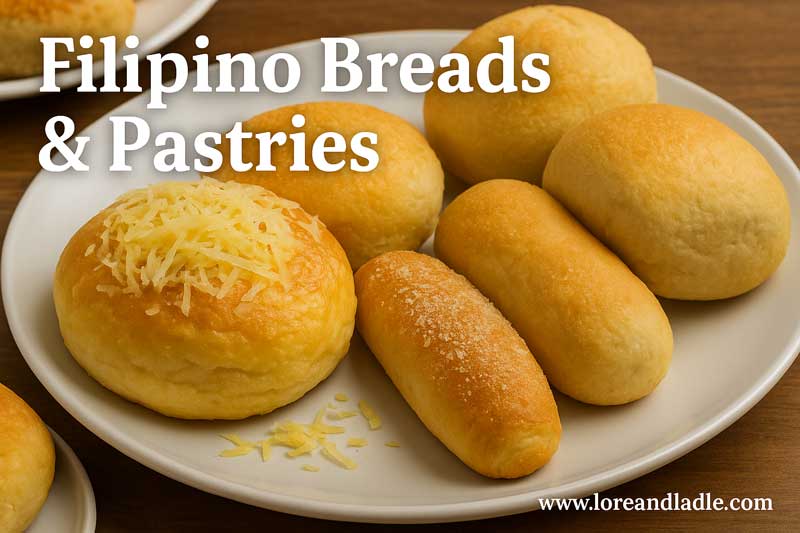
Best Pandesal Recipes in the U.S. for sharing Filipino flavors celebrate everyday life and shared tables. The bread’s appeal lies in its texture: a soft, cloud-like interior that yields to a tender bite, surrounded by a light, slightly crisp crust. The flavor is subtly sweet and milky, enriched by butter or oil, with a comforting aroma that wraps around a room. Sesame seeds add a gentle nuttiness and a hint of fragrance, a small detail that makes each bite feel special.
In daily life, pandesal shines at breakfast, alongside a cup of coffee, or as a comforting merienda snack in the afternoon. It pairs beautifully with a slice of cheese, a dollop of jam, or a spread of chocolate, peanut butter, or even a warm egg crack tucked inside. People enjoy Best Pandesal Recipes in the U.S. for sharing Filipino flavors at casual gatherings, school lunchboxes, and weekend family time. The bread travels well from kitchen to kitchen, inviting cousins, neighbors, and friends to share a warm moment around the table.
Cultural value rests in simplicity and generosity. Pandesal embodies a straightforward approach to bread that welcomes a range of fillings and toppings while staying true to a comforting, everyday flavor. Its versatility means it fits many occasions: a quick weekday bite, a comforting weekend ritual, or a small gift brought to a friend. The key characteristics—soft crumb, mild sweetness, gentle aroma, and a light, sesame-kissed crust—translate into a universal appeal that feels both familiar and inviting. Best Pandesal Recipes in the U.S. for sharing Filipino flavors highlights that simplicity can carry warmth and hospitality across kitchens, bake sales, and shared meals.
People enjoy pandesal in many ways: some savor it plain to appreciate the texture, others open it to reveal a treasure of fillings, and many pair it with drinks like coffee or hot chocolate. The bread’s shape—roughly oval and hand-sized—makes it easy to handle, split, and share. Home bakers may adapt the dough with a touch more milk for extra softness or a dash of pandan or ube flavor to reflect playful twists, all while keeping the essence of Best Pandesal Recipes in the U.S. for sharing Filipino flavors intact.
The Recipe Card
Ingredients
– Flour (all-purpose or bread flour)
– Yeast (active dry or instant)
– Sugar
– Salt
– Milk (warm) or water
– Butter or oil
– Optional egg
– Sesame seeds for topping
– Filling ideas: cheese slices, jam, chocolate spread, peanut butter, or other mild fillings
High-level method
– Combine dry ingredients, then mix in liquids to form a soft dough. Knead until smooth, then allow the dough to rise gently. Divide into small portions, shape into oval buns, and place on a tray. Brush with melted butter and sprinkle sesame seeds. Bake until the outside is light golden and the interior remains soft. If using fillings, add them as you shape each portion, keeping the center snug to preserve a tender crumb. Best Pandesal Recipes in the U.S. for sharing Filipino flavors encourages experimentation with fillings while preserving the bread’s classic, comforting character.