
Introduction
Top Shurpa – Classic Uzbekistani Main Dishes Flavor You’ll Love is more than a recipe; it’s a doorway into a warm kitchen and a cherished tradition. This dish speaks to hospitality, patience, and the joy of sharing a meal. In Uzbek culture, a pot of shurpa gathers people, invites conversation, and frames a moment of daily life as something special. Read on to discover how Top Shurpa embodies cultural value and culinary significance in Uzbekistan’s vibrant food scene.
What Is Top Shurpa?
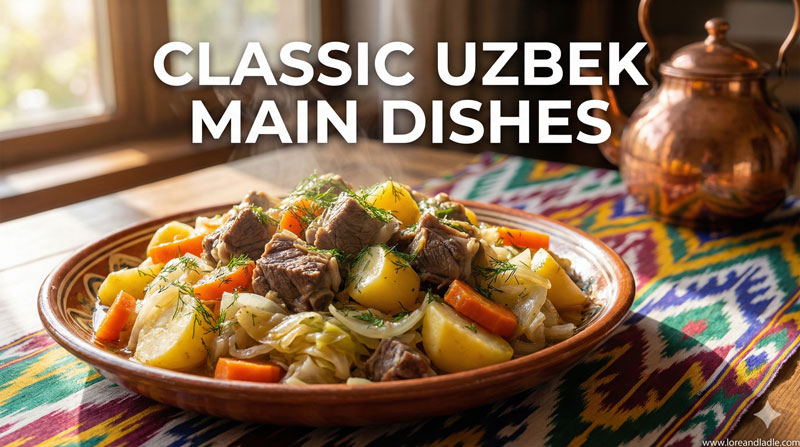
Top Shurpa is a soulful, slow-simmered broth built around tender meat, vegetables, and bright herbs. The core idea is simple: a good, clear broth that carries depth from the meat and from carefully chosen aromatics. Common ingredients include bone-in lamb or beef, onions, carrots, potatoes, and sometimes tomatoes. Spices are warm and fragrant—cumin and coriander seed, black pepper, and a bay leaf—while finishing notes come from fresh dill and cilantro. The beauty lies in layering flavors: meat first, vegetables second, and herbs at the end for a lift of freshness. The result is a hearty, comforting soup that feels both rustic and refined.
Top Shurpa is often prepared in a deep pot or a sturdy kazan, where a patient simmer allows the meat to release its richness. Simmering is gradual; the broth grows clearer and more flavorful as impurities rise to the surface and are skimmed away. This deliberate process is part of the dish’s charm, inviting the cook to slow down and honor the ingredients.
Cultural Value in Uzbek Cuisine
Hospitable meals are central to Uzbek culture, and Top Shurpa stands as a banner example. A family gathers around a bubbling pot, turning cooking time into a social ritual. Conversations flow as the scent of meat and herbs fills the room. Sharing a bowl of shurpa signals welcome, care, and togetherness. The dish often appears during family gatherings, weekend meals, and community celebrations, reinforcing social bonds and welcoming guests with warmth.
Food in Uzbekistan is deeply tied to the rhythm of daily life. Top Shurpa reflects the seasonality of ingredients and the practical wisdom of using what is available. The recipe honors farmers, markets, and home kitchens alike, celebrating the trust between cook and ingredients. In many households, the act of preparing shurpa is as meaningful as the meal itself: a quiet celebration of knowledge passed down through generations, adapted with regional flair, and kept alive by curious cooks who add personal touches.
Culturally, shurpa also demonstrates how a single pot can bridge generations. Grandparents teach younger cooks about timing, balance, and patience; friends exchange tips for achieving a clear broth; children learn to identify herbs by scent and taste. The dish’s enduring appeal lies in its ability to be both deeply rooted in tradition and delightfully approachable for modern kitchens.
Regional Variations and Flavors
Uzbekistan’s landscapes shape its cooking, and Top Shurpa reflects that diversity. In higher elevations, you might taste a touch more herbal brightness from dill and green herbs, while in desert regions the broth can feel deeper and leaner, with a purer meat flavor. Some cooks favor extra onions for sweetness, others emphasize carrot sweetness with generous carrot presence. The choice of meat—lamb versus beef—adds subtle differences in aroma and texture, influencing the soup’s body.
Spice balance also varies regionally. Cumin, coriander, and pepper provide warmth, but the level of spice and the way spices are toasted before adding to the pot can shift the character of the dish. Finishing herbs—dill, cilantro, or a splash of parsley—offer a fresh counterpoint to the simmered richness. Despite these regional twists, the core idea remains intact: a comforting, nourishing broth crowned with bright herbs and tender vegetables.
The Cooking Process and Flavor Profile
Top Shurpa begins with a careful browning of the meat, which awakens savory notes and helps depth build in the broth. After the meat releases its color, water is added and the pot rests to simmer. The cooking time is patient, often long enough for the meat to become fork-tender and the broth to become clear, not cloudy. Skimming during the early stage keeps the stock bright and pure.
As vegetables follow, their textures and sweetness contribute distinct layers. Onions release their natural sweetness, carrots add color and a gentle earthy note, and potatoes absorb and balance the broth’s heat. The spices introduce warmth without overpowering the meat’s own flavor. Toward the end, chopped fresh dill and cilantro brighten the dish, offering a fragrant lift that makes the flavors feel present and alive.
The resulting flavor profile is inviting and balanced: a meaty, savory base with the gentle sweetness of vegetables and a final herbaceous breeze. The texture is comforting—silky broth, tender chunks of meat, and soft vegetables that melt in the mouth. This harmony makes Top Shurpa a versatile dish for everyday meals and special gatherings alike.
Serving Traditions and Pairings
Serving Top Shurpa is a ritual of hospitality. The hot broth is presented in large bowls, often accompanied by steaming flatbread, known in Uzbek cuisine as non. The bread is used to dip and sop, enhancing the experience of the meal without distracting from the soup’s richness. Fresh herbs on the side allow diners to tailor the brightness to their own taste.
Tea accompanies the meal in many homes, sustaining conversation and prolonging the warm dining experience. A simple green salad or pickled vegetables might provide a bright counterpoint, but the heart remains the shurpa and bread. In family settings, children learn to pour, share bowls, and pass the non around the table—quiet lessons in courtesy and togetherness that echo beyond the kitchen.
Modern Appeal and Practical Tips
Top Shurpa travels well from traditional kitchens to modern homes. For those cooking at Home, here are practical tips to honor the dish’s spirit:
- Choose good meat and bones for depth. Bone-in cuts yield richer broth.
- Skim foam in the early stages to keep the stock clear.
- Layer flavors: brown the meat, then add aromatics before simmering.
- Let the broth rest briefly after cooking; a short pause helps flavors settle.
- Finish with fresh dill and cilantro right before serving for a lively aroma.
- Serve with warm non and a side of fresh herbs for optional brightness.
If you’re new to Uzbek cuisine, start with a simple version and gradually adjust the herbs and vegetables to taste. The beauty of Top Shurpa is its adaptability—feel free to honor regional twists or personal family favorites while preserving the core idea: a comforting, nourishing bowl shared with care.
Why Top Shurpa Remains Beloved
Top Shurpa endures because it speaks to universal needs: warmth, nourishment, and connection. It celebrates ingredients in their purest form and invites cooks of all levels to participate in the craft of slow cooking. The dish offers a melody of textures and aromas that can be tuned to season, occasion, and personal preference. Its cultural value lies in its ability to bring people together, to honor traditional methods, and to invite curiosity about a culinary heritage that continues to evolve with each new kitchen.
Conclusion
Top Shurpa – Classic Uzbekistani Main Dishes Flavor You’ll Love stands as a testament to hospitality, craft, and community. Its simplicity, layered flavors, and graceful finishing notes make it a dish that resonates across generations and kitchens. Whether you savor it at a family table, share it with friends, or recreate it in a cozy apartment kitchen, you’ll discover how this humble soup carries a rich cultural value and culinary significance. Embrace the warmth, the aroma, and the shared pleasure of a meal that honors tradition while inviting personal expression.