
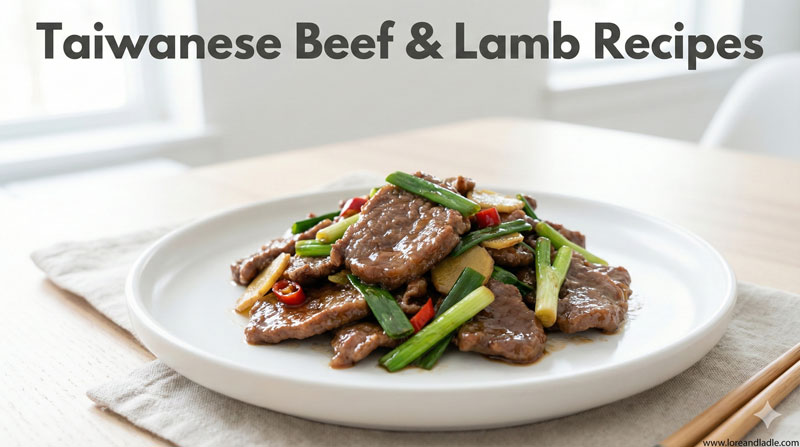
Introducing a Table of Comfort: Best Taiwanese Beef And Lamb Recipes Recipes for Family Dinners in America
This post invites you to explore a dish that blends warmth, tradition, and family rhythm. The name itself—Best Taiwanese Beef And Lamb Recipes Recipes for Family Dinners in America—signals a collection designed for home kitchens. It celebrates how beef and lamb can share the spotlight in Taiwanese-inspired flavors, turning everyday dinners into small celebrations of care, skill, and joy.
Cultural Value: A Shared Table Across Flavors
Taiwanese cooking emphasizes balance, harmony, and hospitality. A dish that invites both beef and lamb speaks to a culture that values flexibility and welcome. In a typical family meal, bowls are placed on the table, steam rises, and conversations follow the aroma. This dish mirrors that spirit: a pot that feeds many, a recipe that welcomes varying tastes, and a method that respects both tradition and home creativity. By bringing together two meats, the dish celebrates abundance and adaptability—qualities that shine when families gather in America to share food, stories, and laughter.
Culinary Significance: Depth from Simplicity
What makes this approach meaningful is how depth is built through technique and balance. The dish relies on slow braising to coax tenderness from meat and to merge flavors into one cohesive sauce. Aromatics like ginger, garlic, soy, and a touch of sweetness work together to create a comforting, layered profile. The result is more than a meal; it’s a sensory memory in a bowl—savory, fragrant, and velvety, with a sauce that clings to every bite. The combination of beef and lamb invites a nuanced appreciation: beef lends a steady, familiar backbone, while lamb adds a gentle, gamey lift. Together, they create a symphony that feels both hearty and refined.
Core Flavors and Techniques: Building Flavor with Purpose
The dish centers on a few trusted elements that Taiwanese cooks have refined over generations. Soy sauce provides depth and umami, balanced by a hint of sweetness. Aromatics such as ginger and garlic layer fragrance, while a whisper of rice wine adds brightness. A blend of warm spices—cinnamon, star anise, and sometimes pepper—creates a comforting, fragrant background. The meat is seared to develop color and texture, then slowly braised in the flavorful liquid until it becomes tender and deeply infused. The sauce is finished with fresh herbs or scallions, adding a clean lift that brightens the finish. The technique emphasizes patience and restraint, allowing the ingredients to meet and mingle without overpowering one another.
Beef and Lamb: A Harmonious Pair in Taiwanese Style
Beef and lamb together offer a study in contrast and balance. The beef brings robust, familiar savor, while the lamb contributes a subtler, aromatic note. In Taiwanese cooking, this pairing showcases the kitchen’s capacity to blend different sources of flavor into a single, comforting experience. The result is a dish that feels both familiar to meat lovers and adventurous to those curious about new flavor profiles. The harmony of textures—tender meat yielding to a silky sauce—creates a satisfying mouthfeel that makes this dish suitable for family dinners, special occasions, or any time when a home kitchen aims to nourish both body and spirit.
Family Dinners in America: A Bridge Through Food
American family dinners often celebrate comfort and connection. This dish fits beautifully into that context by offering a flexible, approachable format. It can be prepared for a busy weeknight with a dutch oven or slow cooker, slowly developing flavor while families go about their evening routines. for Weekend gatherings, larger portions and richer braising liquids can invite longer meals and shared tasting notes. The dish’s adaptability—substituting cuts, adjusting spice levels, or pairing with preferred sides—speaks to the heart of family cooking: making room for everyone at the table. In this way, the dish becomes a gentle bridge between culinary traditions and contemporary home life, welcoming both seasoned cooks and beginners.
Ingredients, Substitutions, and Accessibility
The dish thrives on ingredients that are commonly available in many grocery stores. Soy sauce, ginger, garlic, and a touch of sweetness form the base. For those seeking a lighter touch, leaner cuts or trimmed fat can be used, with a longer, slower simmer to achieve tenderness. If lamb is not readily available, a two-meat approach can be adapted by using a larger share of beef, or by substituting with another gentle, aromatic meat. For authenticity, consider a small amount of five-spice powder or star anise and a cinnamon stick to echo traditional flavor notes. Fresh herbs, such as scallions, can be added at the end to provide a bright finish. The goal is to create a dish that feels rooted in Taiwanese flavor while remaining friendly to home pantries in America.
Serving and Presentation: Nurturing the Table
Serve the braised beef and lamb with steamed jasmine rice or soft noodles, allowing the sauce to cling to each bite. A side of crisp pickled vegetables or lightly dressed greens provides a refreshing contrast to the rich main. The aroma of ginger and soy invites conversation, making the first bite a moment of shared discovery. Garnish with sliced scallions or cilantro to add color and a final note of freshness. The presentation respects the simplicity of home cooking while highlighting the beauty of slow cooking and careful seasoning.
Practical Tips for Home Cooks
- Start with a sear: A quick browning of the meat adds depth to the sauce and texture to each piece.
- Build the braise: Layer aromatics and spices before adding liquid, then simmer gently to coax tenderness.
- Taste and adjust: A final check of salt, sweetness, and tang helps achieve a balanced, comforting finish.
- Choose your vessel: A heavy pot or a slow cooker both work well; the key is steady, even heat.
- Keep it flexible: Use what you have. If you’re short on one spice, a small amount of a different aromatic can work in its place.
A Note on Tone and Purpose
This article aims to honor the beauty of Taiwanese flavors and the joy of family dining. It highlights culinary techniques, cultural resonance, and the simple pleasure of sharing a meal together. The focus remains on the craft, the warmth, and the communal spirit that food can foster in American homes.
Final Thoughts
Best Taiwanese Beef And Lamb Recipes Recipes for Family Dinners in America invites readers to savor a dish that embodies care, balance, and generosity. It shows how thoughtful cooking can bring two beloved meats into a single, harmonious tribute to flavor. By appreciating its techniques, textures, and cultural resonance, you can create meals that feel both familiar and wonderfully new—perfect for nurturing family bonds and celebrating the art of home cooking.