
Introduction
The dish “Best Taiwanese Desserts And Sweet Treats Favorites Perfect for Busy Weeknights” invites readers into a warm, flavorful world. It is a thoughtfully curated collection that highlights how Taiwan’s dessert culture blends ease with elegance. Each bite offers a sense of place, a reminder that sweetness can be a daily celebration. This post explores the cultural value and culinary significance behind the favorites in this dish, focusing on how they fit into busy weeknights without losing heart or character.
Cultural Value and Everyday Connection
Taiwanese desserts are more than sweets; they are rituals of sharing and moments of pause. In homes, markets, and tea shops, small bowls and cups become bridges between generations. People gather around a bowl of warm douhua or a bowl of shaved ice topped with fruit, exchanging stories as the flavors unfold. The culture prizes accessibility, meaning many beloved treats are simple to prepare yet deeply comforting. This dish foregrounds that spirit: it pairs familiar ingredients with thoughtful technique, showing how dessert can be both approachable and meaningful in daily life.
Culinary Significance: Texture, Balance, and Technique
What makes Taiwanese desserts sing is texture. Silky tofu puddings meet syrupy sweetness; chewy taro or mung bean balls contrast with smooth milky bases; crisp jellies provide a refreshing bite. The culinary language here honors balance—sweet, nutty, fruity, and earthy all in harmony. Techniques range from gentle simmering to precise chilling, from soaking and soaking again to quick assembly. The result is a repertoire that feels elegant yet practical, inviting cooks to recreate a sense of place with modest tools and common ingredients.
Highlights from the Dish
The following items are representative of the flavors and textures featured in this collection. Each entry is chosen for its ability to shine on busy weeknights while still conveying cultural depth.
- Douhua (silky tofu pudding) with sweet syrup and toppings such as peanuts or sesame seeds. Smooth, lightly sweet, and fast to finish, it embodies comfort and care.
- Grass jelly desserts with fruit and syrup. A refreshing, cool option that honors herbal notes and a clean finish.
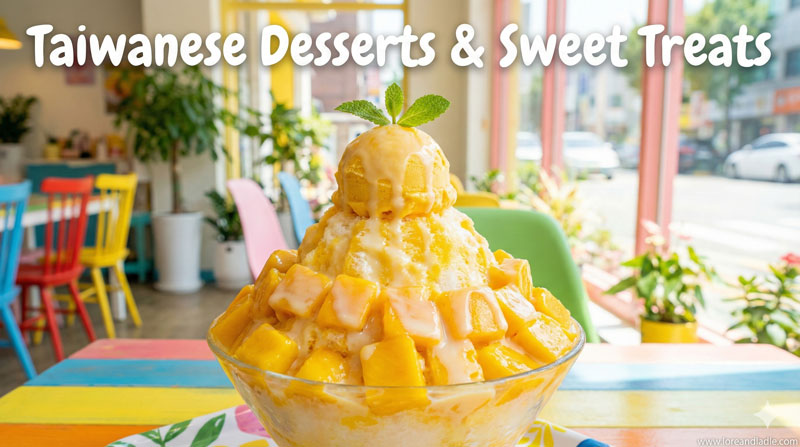
- Mango shaved ice topped with fresh mango pieces and a drizzle of condensed milk. Bright, seasonal, and crowd-pleasing.
- Taro balls or sweet potato balls served in a light syrup or with shaved ice. Chewy textures and gentle sweetness highlight root ingredients common in Taiwan.
- Red bean and green tea jelly combinations. A gentle union of classic flavors and soft jelly textures.
- Glutinous rice dumplings or mochi sweets with peanut or sesame coatings. They offer a delightful chew and a toasty aroma.
- Red bean soup or mung bean soup with small pearls or tiny pearls of tapioca. Comforting warmth with a clean finish.
- Green tea or oolong tea pairing to elevate the dessert experience, balancing bitterness with sweetness in a serene, mindful way.
These items illustrate how the dish blends quick assembly with a sense of craft. Each element speaks to regional produce, seasonal availability, and a preference for textures that please the palate in a few thoughtful steps.
Quick Weeknight Preparation and Access to Local Ingredients
Busy weeknights demand efficiency without sacrificing flavor. This dish acknowledges that reality and offers practical strategies. Build a small pantry of ready-made bases such as canned red beans, ready-made jellies, and sesame paste. Keep fresh fruit in the fridge for topping or mixing. Pre-cook ingredients that store well, like taro or sweet potato balls, so they can be reheated and combined with syrup or shaved ice in minutes. The result is desserts that feel special but stay within reach, allowing families and friends to savor a moment of Taiwan’s sweet traditions after a long day.
Pairings, Tea, and the Gentle Art of Refreshment
Tea has a natural role in Taiwanese dessert culture. Light, aromatic teas such as jasmine or oolong pair beautifully with silky puddings and milky sweets. A well-chosen tea cut with a hint of sweetness creates balance and prolongs the sensory pleasure of each bite. When serving this dish on weeknights, a simple pairing ritual helps frame the dessert as a thoughtful, shared experience rather than a quick finish.
Regional Variations and Seasonal Joy
Taiwan’s desserts reflect a regional mosaic and changing seasons. In warmer months, shaved ice desserts become refreshing nectar; in cooler seasons, warm puddings and spoonable soups offer comforting warmth. Local fruits, chestnuts, lotus seeds, and sesame appear in various forms, adapting to what is abundant at the moment. This diversity enriches the dish, inviting cooks to explore different textures, colors, and flavors while honoring familiar roots.
Craft, Care, and Community
The beauty of Taiwanese desserts lies in the care embedded in every bowl. Even when prepared on a busy schedule, these sweets carry a sense of ritual—a moment to slow down, notice flavors, and share with others. The dish celebrates craftsmanship in everyday life: sourcing quality ingredients, understanding the role of each texture, and presenting a composed dessert that respects tradition while embracing modern convenience.
Conclusion
“Best Taiwanese Desserts And Sweet Treats Favorites Perfect for Busy Weeknights” is more than a menu. It is a celebration of culture expressed through taste, texture, and togetherness. By embracing quick, thoughtful preparation and the vibrant flavors of Taiwan, this collection invites readers to honor the beauty of dessert as a daily art. Enjoy the variety, savor the balance, and let each bite remind you of the warmth found in shared moments after a busy day.