
Introduction
The dish of Best Taiwanese Desserts And Sweet Treats Favorites to Brighten Up Your Weeknights shines as a collection of small joys. It celebrates Taiwan’s love of fresh flavors, careful technique, and shared moments around the table. These desserts are more than sweets; they are gentle rituals that mark the end of a long day with cooling textures, bright flavors, and a sense of welcome. In this post, we explore their cultural value and culinary significance. We will see how ingredients, methods, and seasonal pride come together to create beloved treats that families reach for week after week.
Core flavors and textures
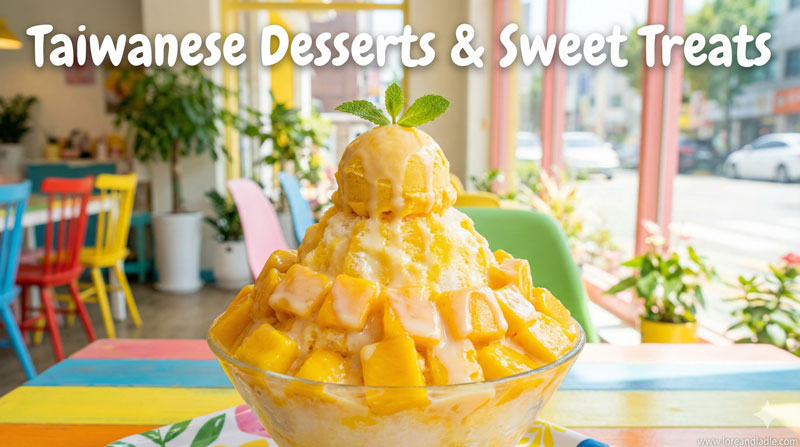
Taiwan’s desserts center on contrasts that delight the palate. Silky tofu puddings, called douhua, offer a smooth, delicate base that meets sweet syrups, peanuts, or sesame paste. Aiyu jelly brings a refreshing bite, crisped by a squeeze of lemon and a touch of honey. Grass jelly offers a cool, herbaceous note and a soft bite that cools the senses. Shaved ice, or bao bing, acts as a blank canvas for toppings: sweet red bean paste, taro cubes, mung beans, chewy taro balls, and gleaming pearls of tapioca. Mango shaved ice showcases tropical brightness, while taro-dusted desserts pair earthiness with a velvet texture. Pineapple cake, a small pastry with a tender crumb and bright filling, embodies the craft of pastry-makers. Each bite reveals a balance: temperature, texture, and a gentle sweetness that feels comforting and true.
Cultural value and everyday rituals
In Taiwan, desserts travel across daily life with ease. They appear in bustling night markets, quiet teahouses, and family kitchens. The act of sharing a bowl of douhua or a cup of grass jelly with friends becomes a small ceremony that signals care and hospitality. The season often guides flavors: summer favors cooling jellies and shaved ice, while festive moments may bring richer sesame pastes or sweet bean fillings. This range reflects a culture that values simplicity, craftsmanship, and responsive cooking. The desserts are approachable yet refined, inviting visitors to slow down and savor small, bright moments on ordinary weeknights.
Significance of technique and craft
Craftsmanship matters in Taiwanese desserts. Making aiyu jelly requires careful extraction and setting, yielding a firm bloom that contrasts with syrupy sweetness. Grass jelly relies on mesona for its depth and a gentle bitterness that balances sugar. Douhua depends on the smooth harmony of soy milk and a gentle coagulation, creating a delicate custard-like experience. Shaved ice depends on the quality of the ice, the density of toppings, and the layering of syrups so that every spoonful offers a new combination. The care shown in preparing toppings—taro balls, red beans, mung beans, and tapioca pearls—highlights patience and attention to texture. This craft is a shared art, passed down through families and small shops, enriching the culinary landscape with regional variations and seasonal twists.
Popular favorites and their stories
Among the most-loved items are familiar silhouettes with regional character. Aiyu jelly, light and bright, is a nod to summer refreshment and quick, joyful cooling. Douhua offers a versatile canvas, pairing with sesame paste, peanuts, or brown sugar syrup for variety. Grass jelly adds a forest-green tone and a smooth, mellow finish. Mango shaved ice captures an island’s sunshine, reminding diners of warm days and tropical markets. Taro balls, chewy and comforting, connect root vegetables with modern textures. Pineapple cake from Taiwan’s pastry makers represents a careful balance of crumb and filling, often enjoyed as a light, gift-ready sweet. Each item carries a story of place, weather, and community taste, enriching weeknights with memory and flavor.
How to enjoy these desserts on weeknights
To brighten weeknights, start with a simple pairing: a hot or cold tea complements these flavors, bringing out their subtle notes. If you dine at Home, assemble a small tasting plate: a bowl of douhua with a drizzle of sesame paste, a few bites of taro balls, and a scoop of shaved ice with mango and red beans. For a quick at-home version, keep a jar of grass jelly and a can of coconut milk ready for a layered treat. The key is balance: sweetness should feel gentle, textures should invite a slow, mindful bite, and portions should be small so the experience remains uplifting rather than overwhelming. In community spaces, share a few bowls and talk about textures and favorite toppings; the ritual itself becomes part of the joy.
A note on ingredients and sourcing
Taiwanese desserts celebrate accessible ingredients: soy milk, mung beans, red beans, taro, grass jelly, and pineapple. Where possible, seek fresh fruit toppings and local sesame pastes to enhance flavor. The beauty of these desserts lies in their adaptability. Chefs and Home Cooks alike can adjust sugar levels, swap syrups, and explore toppings to suit seasons and preferences. This flexibility makes the collection versatile for everyday enjoyment and for special occasions, reinforcing the idea that good desserts grow from thoughtful sourcing and careful preparation.
Conclusion
Best Taiwanese Desserts And Sweet Treats Favorites to Brighten Up Your Weeknights invites readers to explore a culinary world where texture, temperature, and taste are in constant dialogue. These treats embody cultural warmth, regional craft, and a spirit of sharing. They remind us that dessert can be a gentle daily celebration—an invitation to pause, to savor, and to connect with family and friends. In every bite, the beauty of Taiwanese dessert culture reveals itself: simple ingredients elevated through technique, tradition, and care.