
Introduction
This article introduces the Best Taiwanese Rice Bowls And Bento Plates Dishes for New Home Cooks in the U.S. It highlights cultural value and culinary significance. These dishes flavor daily meals with warmth, balance, and care. They fit graceful routines in modern American kitchens while preserving a steady sense of home. The focus stays on the beauty of the food, its techniques, and its everyday rituals.
Core elements of Taiwanese rice bowls
Taiwanese rice bowls center on a simple base: white rice or brown rice as a comforting foundation. A confident protein crowns the bowl, and a bright side of vegetables completes the balance. The sauce is key: soy or soy-based glaze, a touch of sweetness, and aromatic notes from garlic, ginger, or scallions. The result is a single, satisfying plate that travels from stove to table with ease. These bowls celebrate technique without complexity, inviting new home cooks to master flavor through steady, deliberate steps. The rice anchors flavor; the protein carries it; the vegetables add color and texture. This combination reflects a love of everyday nourishment and thoughtful plating.
Signature dishes: lu rou fan and three-cup chicken
Lu rou fan, braised pork over rice, embodies patience and warmth. Pork belly braises slowly in soy, star anise, and aromatic aromatics until it becomes tender and glossy. The sauce clings to each grain of rice, creating a comforting kiss of sweetness and savoriness. Three-cup chicken offers a fragrant, bright alternative. It uses sesame oil, soy sauce, and rice wine in equal parts, with a touch of sugar and fresh basil. The chicken glazes beautifully as it simmers, releasing a perfume that signals home cooking at its finest. Both dishes teach balance: protein, starch, and greens in harmony. They are approachable for new cooks and deeply satisfying for family meals.
Biandang: the Taiwanese bento plate tradition
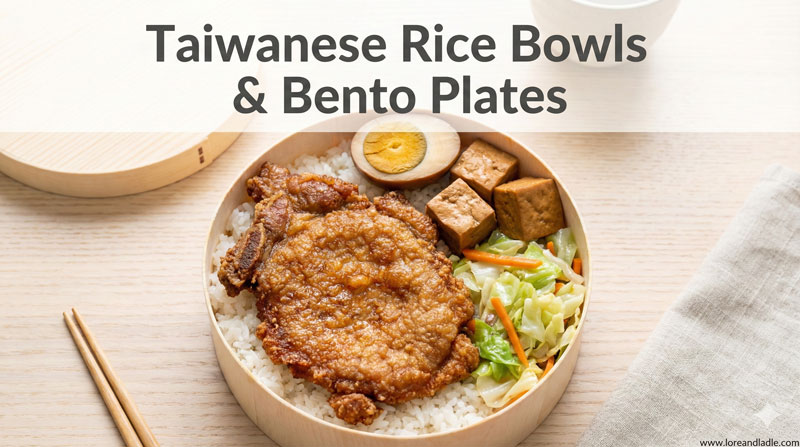
Biandang, the Taiwanese boxed meal, is a study in thoughtful portioning. A true biandang presents rice as the anchor, complemented by small portions of braised meat, sautéed greens, and a pickled or fresh vegetable. The compartments guide the eye and the palate, inviting attention to texture and color. This tradition celebrates care in preparation and generosity in sharing. For new home cooks, biandang shows how a single box can convey culture and affection. It is a portable expression of daily life, crafted with intention and preserved in taste.
Cooking for new home cooks in the U.S.
In the United States, these dishes welcome ingredients available at local markets. Soy sauce, rice, greens, pork, chicken, mushrooms, and eggs form a flexible pantry. Substitutions keep the spirit intact: you can use mushrooms or tofu for a vegetarian version; kale or spinach for greens; boneless chicken thighs for easy braising. Begin with a reliable rice cook or pot method. Then braise or sauté proteins with garlic, ginger, and a splash of soy. Finish with a bright green vegetable or pickled element. The goal is flavor that feels close to home, even as you adapt to new groceries. This approach respects tradition while celebrating practical cooking in a new setting.
Plating, texture, and color
A well-plated bowl or biandang invites the eye and the palate. Place the rice as a neat bed, top with the protein, and add vegetables in a pop of color. A drizzle of sauce or a light pickled side can brighten the dish. Texture matters: soft braised meat, tender rice, crisp greens, and a tangy or fresh finish create balance. Simple garnishes, like sliced scallions or sesame seeds, elevate the presentation without complicating the method. In this way, the dish remains accessible, while delivering a polished, inviting meal.
A simple, authentic-inspired plan for quick weeknights
- Start with lu rou fan-inspired braised pork: brown pork, add soy, a little sugar, and water; simmer until tender. Serve over rice with a side of greens.
- Next, make three-cup chicken: brown chicken, then simmer with sesame oil, soy, rice wine, and a few basil leaves; finish with greens or cabbage.
- Finally, assemble a biandang-style plate: a portion of rice, a small protein, an assortment of vegetables, and a tangy pickle or fresh salad on the side.
This plan keeps flavors authentic while remaining practical for Busy evenings. It also demonstrates the cultural value of balance, care, and sharing.
Closing thoughts: the beauty and place of these dishes
Taiwanese rice bowls and biandang plates carry more than flavor. They embody daily ritual, family gathering, and thoughtful culinary technique. They teach new home cooks in the U.S. how to blend comfort with craft—how to honor tradition while adapting to fresh markets. By embracing these dishes, you invite a timeless sense of warmth to the kitchen, where every bowl tells a story of care, skill, and community. Enjoy the journey of making these bowls part of your own cooking tradition.