
Introduction
Welcome to a closer look at the Best Taiwanese Rice Bowls And Bento Plates Dishes Loved Across the U.S. This article celebrates how a simple bowl can carry culture, technique, and warmth. It shines a light on how Taiwanese rice bowls and bento-style plates connect cooks and communities. The focus is on culinary value, craft, and the everyday happiness found in a well-made bowl.
The Heart of Taiwanese Rice Bowls
At the center of these dishes is the humble, fragrant rice. Short-grain rice offers a soft yet springy texture that holds sauces beautifully. The star proteins range from braised pork to soy-marinated chicken, each chosen for depth and tenderness. Additions like beef slices or fish bring their own character, while vegetables provide crunch and brightness. The balance of sweet, salty, and savory notes creates a harmony that lingers on the palate. This balance is not simply flavor; it is a language of care, precision, and intention that makes each bowl feel welcoming and complete.
Components and Craft
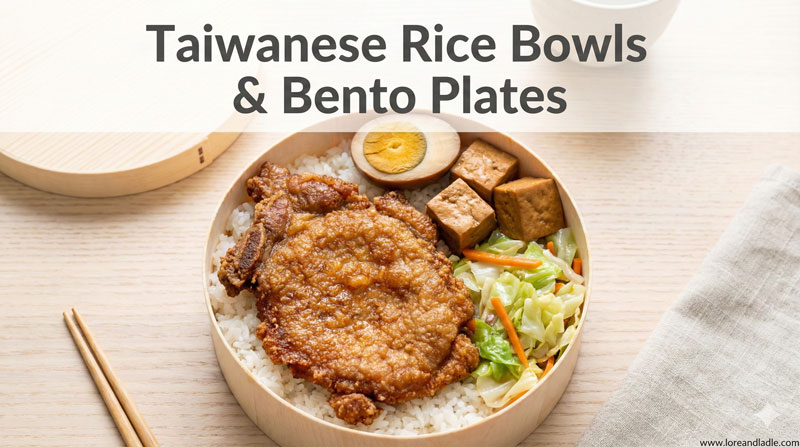
A well-composed Taiwanese rice bowl or bento plate follows a thoughtful structure:
– Rice as the foundation, cooked to a glossy, cling-free finish.
– A central protein, often braised or glazed, delivering umami and soft textures.
– A bright vegetable element, such as pickled cucumbers, daikon, or lightly dressed greens.
– A glaze, sauce, or seasoning that ties the components together with a glossy sheen or a hint of warmth.
– A finishing touch, like a perfectly marinated egg or a crisp garnish, to add depth.
Each element matters. The rice absorbs sauce without becoming soggy. The protein remains juicy and succulent. The vegetables offer color, acidity, and crunch. When assembled with care, the plate communicates patience, skill, and pride in craft.
Flavor, Texture, and Technique
The flavor profile leans into umami, with soy, sesame, and aromatics playing key roles. Slow braising fleshes out pork or chicken, creating tender morsels that still hold shape when spooned onto rice. A quick pickling step or a light pickle adds brightness to cut through richness. Techniques matter as much as ingredients: precise knife work, correct heat control, and timing ensure each bite feels balanced. The result is a dish that invites savoring, not rushing; each mouthful offers a narrative of method and tradition.
Presentation as Cultural Value
Arrangement matters. Bento-inspired plating emphasizes order, color, and rhythm—distinct sections that maintain visual appeal while delivering a complete meal. Colorful toppings—greens, reds, and pale yellows—make the plate inviting. The careful layout turns a meal into a small ceremony of nourishment. This visual discipline reflects a broader respect for food as a daily art form, where taste and look enhance the eating experience. The beauty lies in simplicity done well.
Across the United States
These dishes have found welcoming home kitchens and eateries across the United States. In coastal cities, bright flavors mingle with seafood textures, while inland spots shine with rich braises and rounded sauces. In bustling markets and neighborhood diners, cooks adapt with seasonal vegetables and locally sourced proteins, keeping the core philosophy intact: balance, freshness, and warmth. Home Cooks rediscover the joy of packing a satisfying lunch or sharing a family-style bowl with friends. The journey of these bowls across the country shows how culinary ideas travel kindly, inviting every diner to experience a moment of Taiwanese-inspired comfort.
Pairings and Service
A Taiwanese rice bowl or bento plate pairs well with a gentle, refreshing beverage and a light side that echoes the dish’s brightness. Sesame seeds, scallions, and a touch of pickled ginger can elevate the experience. For a complete meal, consider cool cucumber slices or a small greens salad with crisp dressing. The serving temperature should feel inviting—warm rice, tender protein, and crisp vegetables work together to heighten enjoyment. The approach is simple: let the main bowl lead, with sides that enhance without overpowering.
Tips for Home Cooks
- Start with good rice. Rinse until the water runs clear, cook with a bit less water for a firmer finish, then steam briefly for shine.
- Choose a protein you enjoy, then braise with soy, a touch of sugar, garlic, and ginger for depth.
- Add a crisp element, such as shredded cucumber or shredded cabbage, to contrast textures.
- Marinate a soft-boiled egg in a light soy mix for a silky, flavorful topping.
- Plate with color in mind: place greens, proteins, and pickles in separate zones to echo the bento spirit.
- Keep sauces balanced. A little glaze goes a long way—enough to coat, not drown.
A Living Culinary Language
These bowls are more than meals; they are a living expression of technique, care, and shared eating. The ingredients tell a story of careful sourcing and thoughtful preparation. The presentation invites conversation about flavor, texture, and balance. In homes and eateries alike, the dish becomes a language that celebrates flavor exploration, seasonal ingredients, and the joy of gathering around a single, comforting bowl.
Conclusion
The Best Taiwanese Rice Bowls And Bento Plates Dishes Loved Across the U.S. honor a tradition of thoughtful cooking, vibrant colors, and affectionate sharing. They stand as a testament to how a well-made bowl can bridge everyday meals with culinary artistry. By focusing on the core elements—rice, protein, vegetables, and sauce—these dishes invite everyone to experience a moment of warmth, skill, and cultural appreciation. Whether enjoyed in a casual cafe, a home kitchen, or a friendly lunch table, these bowls remind us that good food is a shared gift that nourishes body and spirit alike.