
Discovering Top Tukhum Barak
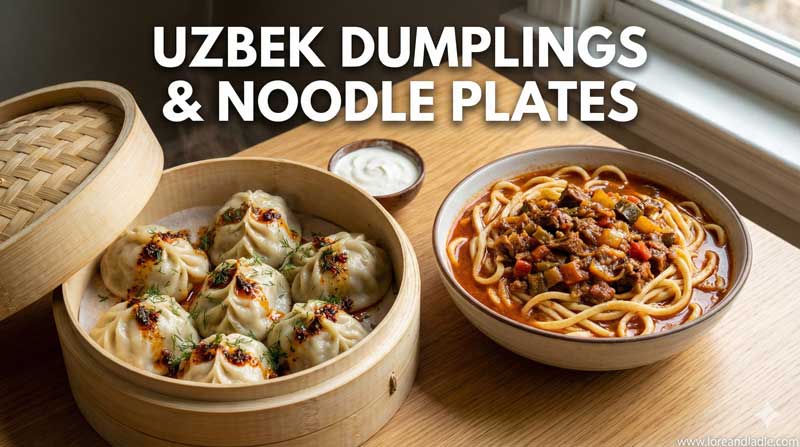
Top Tukhum Barak – Uzbekistani Dumplings & Noodle Plates Flavor You’ll Love invites readers to an inviting corner of Central Asian cuisine. This dish blends tender dumplings with silky noodle plates on a shared platter. The result is a harmonious balance of soft, chewy, and aromatic elements. You’ll notice how modest ingredients become memorable through technique, care, and a spirit of hospitality. This dish stands as a joyful example of Uzbek culinary craft and everyday celebration.
The Spirit of Uzbek Hospitality
In Uzbek tradition, food is a language of welcome. A table set with Top Tukhum Barak signals generosity, patience, and shared pleasure. Families gather around steaming bowls, tell stories, and savor each bite together. The dumplings and noodles are not just sustenance; they are a thread that weaves guests and hosts into a warm, communal moment. The dish often appears during gatherings that honor seasonal produce, family milestones, and the simple joy of cooking for loved ones. Its beauty lies as much in the moment as in the plate.
The Craft Behind the Dish
Top Tukhum Barak showcases two classic forms that Uzbek cooks often pair: dumplings and noodles. The dumplings feature a soft dough wrapped around a savory filling, typically ground meat seasoned with onions and herbs. The dough rests briefly, relaxes, and then folds into small, neat shapes that seal in aroma. The noodles are thin and supple, cut or pulled by hand, and prepared to hold a gentle bite when combined with broth or a light sauce. Key flavors include cumin, coriander, garlic, and onion, brightened with fresh herbs like dill or cilantro. A touch of butter or oil adds a mellow richness that ties the pieces together. The result is a depth of flavor built from simple steps: grind the filling, shape the dumplings, roll the dough, boil the components, and finish with a finishing kiss of herbs and fat.
Texture as a Language
A good Top Tukhum Barak speaks through texture. The dumplings offer a tender bite with a savory core, while the noodles deliver a smooth, satisfying chew. The broth or sauce that surrounds them acts as a gentle bridge, carrying the aromatics to every corner of the plate. The combination invites contrast—soft wrappers against firm bite, warm steam against bright herbs—creating a sensory conversation that is easy to enjoy and hard to forget. The dish rewards careful hands and patient timing, hallmarks of home cooking that elevate everyday meals into small celebrations.
Regional Touches and Home Adaptations
Across Uzbekistan, cooks adapt the dish with local ingredients and family memories. In some regions, you’ll find dumplings with finely chopped onions for extra sweetness or herbs that echo the garden at harvest time. Noodles may reflect local wheat textures, producing a slightly different chew from one kitchen to another. Garnishes range from fresh dill to chopped parsley, and a final drizzle of clarified butter can add a nutty perfume. These nuances reflect how food travels through valleys and towns, absorbing color from the markets, beds of herbs, and the rhythm of daily life. Yet the core remains constant: a comforting pairing of dumplings and noodles, united on a shared plate.
Serving, Pairing, and Presentation
Top Tukhum Barak is best enjoyed as a centerpiece of a convivial meal. Serve the dumplings and noodles together, allowing each bite to reveal a balance of meatiness, dough, and herb brightness. Pair with a pot of green tea or a cool ayran to cleanse the palate between bites. Fresh herbs sprinkled on top add a final lift, while a light broth or sauce provides cohesion without overwhelming the delicate components. The presentation can be simple and elegant: a shallow bowl or platter with dumplings arranged beside the noodles, steam rising to invite gentle aromas. The experience is as much about the social moment as it is about the flavors themselves.
A Dish That Teaches and Welcomes
Top Tukhum Barak stands as a quiet ambassador of Uzbek culture. It shows how tradition, technique, and shared meals can create a sense of place and belonging. Each dumpling shape, each strand of noodle, and each fragrant herb tells a story of kitchens where families cook together, learn from one another, and pass down treasured methods. The dish invites you to slow down, observe the craft, and savor the quiet beauty of a well-made meal. In this way, it offers both culinary significance and cultural value that can be appreciated by both seasoned food lovers and curious newcomers.
Inviting Curiosity and Joy
If you are exploring Uzbek flavors for the first time, Top Tukhum Barak is a gentle introduction. It showcases how simple ingredients—flour, meat, onions, herbs—can fuse into a dish that feels ceremonial yet homey. The balance of textures and the warmth of aroma make it memorable without being heavy. This dish is a reminder that great cooking often rests on careful technique, respect for ingredients, and the joy of sharing food with others. Whether you enjoy it at a festive table or a cozy kitchen moment, Top Tukhum Barak offers a flavorful invitation to savor Uzbek culinary heritage.
Closing Thoughts
Top Tukhum Barak – Uzbekistani Dumplings & Noodle Plates Flavor You’ll Love highlights the beauty of traditional cooking. It is a celebration of family, craft, and the simple power of well-made food to bring people together. Through its tender dumplings, delicate noodles, and aromatic finish, the dish communicates care, skill, and a deeply rooted sense of place. Embrace the experience, and let the flavors guide you to a kinder, more connected moment at the table.