
Introduction
Top Tukhum Barak is more than a dish. It is a vibrant thread in the fabric of Uzbek food culture. This hearty soup-and-stew hybrid invites warmth, conversation, and careful cooking. The dish embodies the rhythm of Uzbek kitchens, where patience and hospitality go hand in hand. When steam rises from the pot, friends and family gather, and the meal becomes a memory in the making.
Cultural Value of Top Tukhum Barak
In Uzbekistan, meals are social rituals as much as sustenance. Top Tukhum Barak sits at the center of those rituals for many households. It is a dish shared across generations, offered to guests as a sign of welcome and respect. The preparation often becomes a family activity, with hands of different ages shaping dumplings, stirring the broth, and tasting together. This collaboration reinforces bonds, teaches younger cooks about ingredients, and preserves regional flavors through time. The dish also marks seasonal rhythms. In cooler months, its warmth mirrors the need for comfort, while in festive gatherings it becomes a symbol of generosity and cheerful hospitality. Through Top Tukhum Barak, everyday cooking becomes a bridge between past and present, a way to honor ancestors while inviting new flavors to the table.
Culinary Significance and Flavor Philosophy
Top Tukhum Barak captures a distinct balance that defines Uzbek cuisine: hearty heartiness paired with bright, herb-driven finishing notes. The base is a clear, nourishing broth enriched with meat and vegetables. The star of the dish is the dumpling, a small parcel of seasoned filling carefully wrapped and sealed. Together, the dumplings and broth create contrasts that delight the palate: the soft bite of the dumplings against the sustaining depth of the broth; the sweetness of onions and carrots against the savory meat; and the lift of fresh herbs near the finish. This combination represents a thoughtful approach to flavor layering that is central to Uzbek soups and stews.
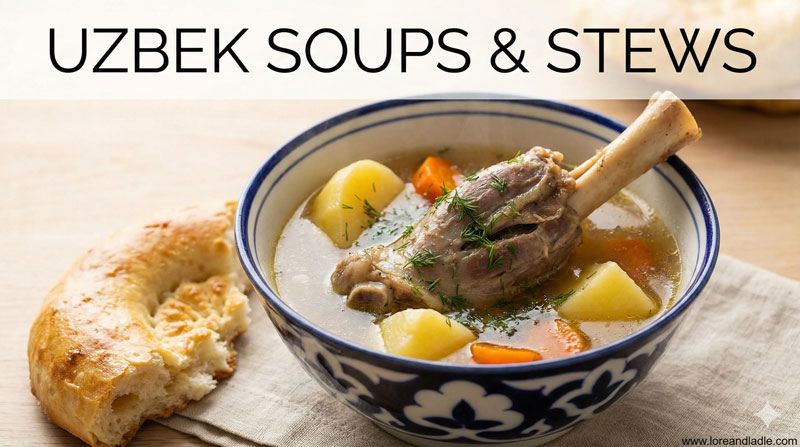
The seasoning is straightforward yet precise. Meat provides the backbone, often lamb or beef, giving a tender, lingering savor. Onions, garlic, and carrots add sweetness and depth. Potatoes or other root vegetables contribute body, especially when the broth thickens a touch during simmering. Fresh herbs—such as dill and cilantro—introduce brightness just before serving. Spices, typically cumin and black pepper, help define the aroma without overpowering the meat’s character. The resulting profile is comforting and robust, inviting you to savor each mouthful and to notice how simple components can harmonize into something larger than their parts.
Craft and Technique Behind Top Tukhum Barak
The charm of Top Tukhum Barak lies in technique as much as in ingredients. Good dumplings begin with a well-balanced filling: minced meat mixed with finely chopped onion, a pinch of salt, and a kiss of pepper. The filling should be flavorful yet not overworked, letting juiciness shine through when cooked. Wrapping the dumplings with care creates little parcels that hold their shape in the simmering pot. The broth starts clear and bright, achieved by skimming impurities and using steady heat. Vegetables are added in stages to preserve color and texture, so the final bowl offers both tenderness and structure. Finally, the dish is finished with a handful of chopped herbs that awaken the senses and tie the flavors back to the garden and fields where the ingredients were grown.
The cooking method emphasizes patience. Dumplings are gently simmered rather than boiled vigorously. This yields a tender exterior and a juicy interior. The broth thickens slightly as starch from the dumplings mingles with the liquid, creating a comforting cohesion. Throughout, the cook tastes and adjusts, ensuring balance rather than overwhelming intensity. The result is a dish that tells a story of care, attention to detail, and pride in craft.
Regional Variations and Shared Heritage
Uzbekistan is a land of diverse landscapes and climates, and Top Tukhum Barak reflects that diversity. In different regions, cooks adapt the dish to local ingredients while preserving its core philosophy. Some versions emphasize lamb for a deeper, gameier note, while others favor beef for a cleaner, milder taste. The dumpling shapes and wrapping styles may vary, offering small regional signatures within the same family recipe. Vegetables beyond carrots and potatoes—such as green peas, zucchini, or peppers—can appear in some homes, illustrating how cooks adapt to what is seasonally available. Even cooking vessels differ: clay pots or sturdy metal pots can subtly influence heat distribution and aroma as the dish simmers. Across these variations, the essence remains: Top Tukhum Barak is a shared expression of Uzbek hospitality, a dish that travels from kitchen to table with warmth and a sense of place.
Serving Traditions and Table Ethos
Serving Top Tukhum Barak is an act of welcome. A generous bowl is placed at the center of the table, steam curling upward as a sign of freshness. It is commonly accompanied by herbs chopped just before serving, a wedge of bread, and often a simple salad. The bread acts as a perfect vehicle for scooping up broth and dumplings, a tactile reminder of communal eating. Diners are invited to add herbs and a touch of pepper to taste, making each serving personal and communal at once. The ritual of sharing a steaming bowl reinforces a culture of generosity, attentiveness, and connection. In many homes, tea follows the meal, inviting lingering conversation and the pleasure of digesting not just food, but the moment spent together.
Why Top Tukhum Barak Resonates Today
In a world rich with culinary traditions, Top Tukhum Barak stands out for its clarity of purpose and sense of belonging. It teaches us that flavor can be both simple and deeply satisfying. It celebrates the farmer’s yields—the meat, onions, and vegetables—while honoring the cook’s skill in combining them with tenderness and balance. The dish embodies hospitality, family, and a shared table, making it more than nourishment. It is a living tradition that invites curiosity about Uzbek cuisine and a respectful appreciation for its techniques and textures. For anyone exploring Central Asian food, Top Tukhum Barak offers a welcoming doorway into the sensory world of soups and stews that are crafted with care and shared with generosity.
Closing Thoughts
Top Tukhum Barak is a testament to the beauty of Uzbek culinary culture. Its layers of aroma, texture, and heart create a dish that is both comforting and celebratory. By embracing its flavors and cherishing the rituals around its preparation, you join a long lineage of cooks who have welcomed others to the table with dignity and joy. If you seek a dish that speaks of hospitality, seasonality, and thoughtful technique, Top Tukhum Barak welcomes you with warmth and flavor you’ll love.