
Introduction
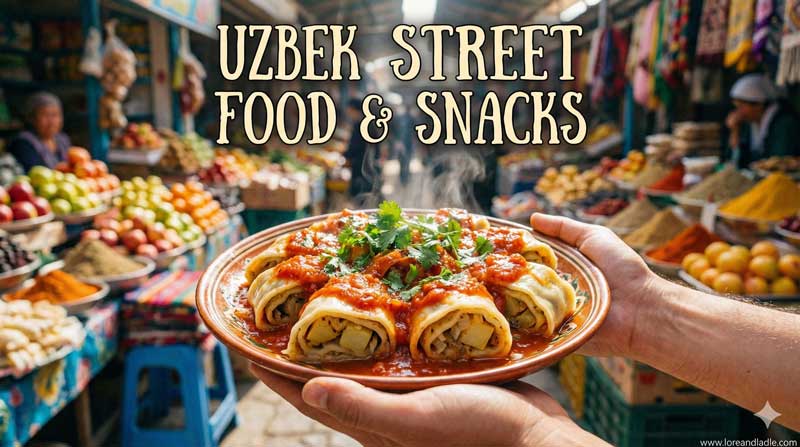
Traditional Somsa – Uzbekistani Street Food & Snacks Flavor You’ll Love invites readers to a culinary doorstep of Central Asia. This dish sits at the heart of daily life, markets, and shared tables. The scene is simple: a hot, golden pastry, a savory filling, and a moment of quiet delight as friends and strangers exchange smiles over a street flame. The flavor and the craft reveal a culture that values hospitality, patience, and the joy of good food enjoyed together.
What is Traditional Somsa?
Somsa is a folded pastry, usually triangular in many Uzbek stalls, but it can also appear in cone or square shapes. The dough is thin yet sturdy, wrapped around a hearty filling. Meat is common, often lamb, but potato, pumpkin, and cheese variants exist as well. Each bite offers a crisp crust that gives way to a tender, flavorful center. The tenderness comes from dough that rests before shaping and from fillings seasoned with cumin, coriander, black pepper, and garlic. Across markets and kitchens, the soul of somsa remains consistent: a handheld treat made with care, baked in a hot oven or tandoor, and served hot for immediate enjoyment.
A Window into Uzbek Street Culture
Somsa is more than a snack; it is a reflection of daily life. In busy alleys and town squares, bakers work with steady hands as the crowd grows. The aroma marks time of day, guiding friends to a quick bite between duties or a longer chat over tea. The practice of sharing somsa aligns with Uzbek values of warmth and connection. These pastries travel fast from the oven to the palm, carrying stories of families, neighborhoods, and seasonal markets. In this way, somsa becomes edible culture—tangible, memorable, and inviting.
The Craft: Making Somsa
The making of somsa highlights craft and patience. Bakers prepare a silky dough, roll it to a fine, even thickness, and cut it into perfect rounds or sheets. The filling is built with balance: meat or vegetables mingle with onions, herbs, and spices. The dough is folded around the filling with careful seams, then sealed tightly. The pastries bake quickly in a hot oven, browning to a glossy amber. Each step is precise, yet the rhythm feels natural, almost meditative. The result is a pastry that stays crisp on the outside and tender inside, ready to be enjoyed at street stalls, homes, or gatherings.
Flavor, Fillings, and Tradition
Somsa flavors range from robust to delicate, always rooted in bold Uzbek spices. A classic meat filling often includes minced lamb, onion, garlic, cumin, coriander, pepper, and a touch of salt. Vegetarian versions rely on potatoes, onions, herbs, and sometimes pumpkin or squash. The interplay of textures—crisp crust with a soft, steaming interior—defines the experience. The use of cumin and coriander gives a warm, earthy aroma that lingers, inviting another bite. The art lies in balancing the filling so the pastry remains the star while providing satisfying depth.
How Somsa Shapes Social Moments
Serving somsa creates small rituals of comfort. A vendor’s tray, a shared table, or a quick bite on a curb becomes a moment of community. Tea often accompanies somsa, turning a snack into a warming pause in the day. The simple act of passing a hot pastry from one hand to another reinforces social bonds. In homes and feast days alike, somsa brings people together around flavors that are familiar and beloved. The experience favors conversation, laughter, and the quiet pleasure of a well-made pastry enjoyed in good company.
Varieties Across Uzbek Lands
Across regions like Tashkent, Samarkand, and Bukhara, somsa carries regional touches. Some places favor a flaky, layered texture, while others emphasize a compact, sturdy crust. Ingredient choices reflect local markets and seasonal ingredients, yet the essence remains the same: a hand-held pastry born from craft and shared joy. You may find crescent-shaped versions in some towns or triangular forms in others. Each variant honors the same goal—delighting the palate while honoring tradition.
Pairings and Presentation
Somsa shines when paired with a bright cup of tea, often served in small glasses or cups. Fresh herbs, radishes, or a quick herb sauce can brighten the filling without overpowering it. On markets or family tables, somsa is often sliced or shared directly from a plate or basket. The presentation is simple, inviting, and ready for immediate enjoyment. The beauty lies in the pastry’s glow and the warmth it brings to the moment.
Preserving a Timeless Snack
Today, somsa remains a staple of Uzbek street food and home kitchens. The method honors generations of bakers who perfected the dough, the fold, and the bake. In fairs, markets, and busy streets, the pastry continues to adapt to modern tastes while keeping its core identity. Preserving somsa means celebrating a timeless snack that travels well, tastes bright, and tells a story with every bite.
Conclusion
Traditional Somsa – Uzbekistani Street Food & Snacks Flavor You’ll Love is a celebration of flavor and culture. It invites us to slow down enough to savor texture, aroma, and balance. It honors skilled hands, shared meals, and the everyday joy of good food. Whether you taste it in a bustling market or at a quiet family table, somsa offers a doorway into Uzbek culinary culture—warm, generous, and beautifully simple.