
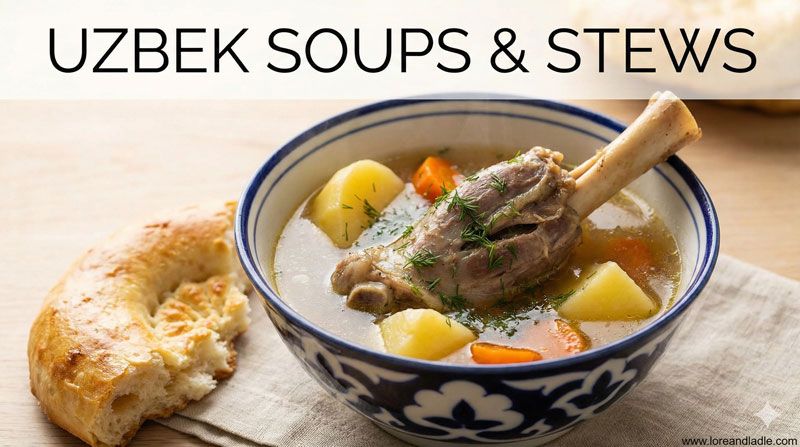
Traditional Somsa – Uzbekistani Soups & Stews Flavor You’ll Love
Traditional Somsa stands at the heart of Uzbekistani cooking. This triangular pastry, filled with savory meat or vegetables, invites cooks and eaters into a long, affectionate conversation about taste, technique, and togetherness. Its aroma signals a gathering moment, whether in a bustling market stall, a family kitchen, or a quiet afternoon with friends. The dish celebrates texture, warmth, and the careful balance of simple ingredients transformed through craft.
A Cornerstone of Everyday Hospitality
Somsa is more than a snack; it is a symbol of hospitality. In Uzbek culture, food is a language of care and welcome. A plate of somsa appears at breakfast fare, as a mid-day treat, and during festive occasions. The act of sharing a batch with neighbors or relatives reinforces community ties and cheerful conversation. The pastry’s crisp edges, the soft inner filling, and the steam that rises when the pastry is broken open all tell a story of generosity and attention to detail.
The Dough: Assembly, Skill, and Patience
The dough is the backbone of somsa. Flour and water come together with salt and a touch of fat to create a supple, elastic sheet. The resting time lets gluten relax, a small but important step that yields tenderness when baked. Rolling becomes an art of even thickness and careful handling, so the dough holds its shape while sealing the filling inside. Some cooks brush the surface with a light glaze to invite a rich color during baking. The result is a pastry that offers both resilience and a delicate bite, a contrast that delightfully complements the filling.
Fillings: A Palette of Flavors and Textures
Traditionally, somsa fillings feature ground or finely chopped meat, often lamb or beef, mixed with onions, herbs, and warming spices such as cumin and coriander. This combination delivers a savory depth with gentle aromatics. Vegetable fillings expand the canvas to include potato, pumpkin, squash, or greens, each offering a different aroma and tenderness. Cheese variations and mixed combinations appear in some households, reflecting local tastes and seasonal ingredients. Across regions, the fillings adapt to family preferences while preserving the core idea: a thoughtfully seasoned center surrounded by a crisp pastry shell.
Regional Echoes: Techniques and Shape
In different Uzbek towns, somsa takes on subtle regional signatures. The shape is frequently triangular, a practical form that slices neatly and cooks evenly. Some districts favor a half-moon shape or rectangular forms. The pastry can be baked in a traditional tandyr oven, where radiant clay walls impart a distinct, smoky warmth. Home kitchens often reproduce that effect with a standard oven, preserving the spirit of the original method. These regional nuances celebrate local markets, home gardens, and the seasonal bounty that flavors the fillings.
Cooking Methods: From Oven to Table
The baking method emphasizes even heat and a short, precise cooking window. A hot, well-preheated oven ensures the pastry crisps quickly, sealing in the steam of the interior. The moment somsa emerges, its fragrance invites care in serving: hot, crisp on the outside, and fragrant with spices on the inside. The universal appeal lies in its contrast—an outer crunch that yields to a tender, flavorful core. This balance is a reminder that skill and patience yield comfort in a single bite.
The Social Aspect: Sharing, Ritual, and Rhythm
Somsa carries a rhythm of daily life. Morning kitchens eye the clock as aromas begin to rise, signaling a day that will be punctuated by conversation and shared bites. Friends gather around a hot tray, tea in hand, while the first pieces are cut and passed. The ritual of cutting, serving, and savoring emphasizes presence and care. This social thread is a quiet celebration of everyday life, where food becomes a bridge between generations and neighbors.
Pairings: Tea, Company, and Seasonal Senses
Somsa pairs beautifully with traditional green tea or herbal infusions, which cleanse the palate between bites and complement the pastry’s richness. The beverage choices are modest in a way that puts the focus on shared experience rather than spectacle. The season guides the mood too: fresh herbs and lighter fillings in spring, heartier tones with autumn vegetables in cooler months. In all moods, somsa invites mindful tasting and steady conversation.
Preservation and Family Craft
Family Recipes for somsa are often passed down with care, sometimes changing with the season or the cook’s personal touch. A seasoned cook will tell you that the secret lies in balance—balancing dough texture, filling moisture, and the baking temperature. These small, precise choices accumulate into a faithful flavor profile that remains recognizable across generations. Through practice, many cooks develop a personal signature—an extra pinch of spice, a particular folding method, or a preferred oven setting—that keeps the dish lively while honoring its roots.
A Cultural Appreciation: Beyond Taste
Viewing somsa through a cultural lens reveals more than taste alone. It is a record of daily life, a map of regional ingredients, and a reflection of communal values. The pastry embodies patience, skill, and generosity. Its presence at markets, homes, and gatherings marks a shared landscape of food culture where neighbors, families, and friends come together to celebrate a simple, nourishing treasure.
Modern Expressions and Timeless Principles
Today, cooks explore somsa with fresh fillings and new techniques while honoring timeless principles. Home cooks adapt to available ingredients, offering lighter or more robust versions as the season allows. Bakeries may experiment with crispness and color, yet the essence remains: a folded pastry that encases warmth and memory. This balance between innovation and tradition keeps somsa vibrant, approachable, and deeply rooted in Uzbekistani culinary identity.
Conclusion: A Dish that Illuminates Culture and Craft
Traditional Somsa offers a delicious doorway into Uzbekistani food culture. Its expert dough, thoughtful fillings, and careful baking create a dish that is both comforting and evocative. More than a meal, somsa is a friendly invitation to share, to listen, and to enjoy the beauty of a well-made pastry. As you savor each bite, you taste a heritage built on care, skill, and the joy of gathering together around a table.