
Introduction
This article introduces the dish Best Taiwanese Street Food And Night Market Snacks Dishes That Are Trending Right Now. It gathers the beloved flavors of Taiwan’s bustling streets into a single, celebrated collection. The focus is purely on cultural value and culinary significance. Readers will discover how street food becomes a shared language, how night markets shape technique, and why these bites feel like a festival of local pride.
The Cultural Value of Taiwanese Street Food
Taiwanese street food is more than sust a meal. It is a daily ritual that brings neighbors together. Vendors serve as neighborhood storytellers, passing down family formulas with care. Sharing small plates here creates instant connection, turning a casual bite into a memory. The street food scene reflects respect for craft, seasonality, and hospitality. In every stall, you feel the heartbeat of a community that values warmth, generosity, and good, simple flavors.
Night markets amplify this spirit. They are social stages where generations mingle amid sizzling woks and bright lights. The sights, sounds, and aromas cue a sense of belonging. People wander from stall to stall, tasting, comparing, and discovering. This culture of exploration invites patience, curiosity, and joyful conversation. In short, the street food experience is a public celebration of Taiwan’s culinary soul.
The Culinary Significance of Night Market Snacks
Night market snacks teach balance and precision. Each bite aims for a memorable moment—crisp exterior, tender interior, and a harmony of savory, sweet, salty, and tangy notes. The best snacks depend on technique as much as on ingredients. High heat, quick motions, and attentive timing create flavors that sing in a single, satisfying crunch.
Texture plays a starring role. Crackly skins meet soft centers; chewy edges meet crisp cores. The contrast elevates the eating experience and invites shared praise. Aromas guide the palate even before the first bite. A faint smokiness, a hint of sesame, or a splash of citrus can signal a dish’s character. These sensory cues are the language of Taiwanese street cuisine.
Flavor balance matters, too. A well-made snack balances richness with brightness. Pickled or pickled-tinish notes cut through fat. herbal hints lift heavy flavors. The result is a compact, satisfying bite that encourages another. This culinary precision is why these snacks remain popular, spawning ongoing trends while preserving timeless technique.
Trending Dishes in the Collection
This section highlights a curated set of dishes included in Best Taiwanese Street Food And Night Market Snacks Dishes That Are Trending Right Now. Each item is described with its cultural value and why it resonates today.
-
Gua Bao (Taiwanese Pork Buns): A steamed bun cradling braised pork, pickled vegetables, and herbs. The combination showcases balance between tenderness, brightness, and texture. It tells the story of careful layering—fluffy bread, savory meat, crisp greens—coming together in a single bite. Gua Bao embodies how simple components can be elevated through technique and thoughtful assembly.
-
Lu Rou Fan (Braised Pork Rice): Slow braising, soy richness, and fragrant aromatics create a comforting, soulful dish. The rice soaks up the sauce, carrying the aroma through each mouthful. This dish honors patience and family recipes, echoing generations of Home Cooking that traveled from stove to stall with fidelity and care.
-
Oyster Omelette (O A Zha Jian): A blend of briny seafood, silky batter, and a tangy sauce. The dish highlights how seafood and starch complement each other in Taiwanese practice. It also showcases wok technique and quick, decisive cooking that preserves the ocean’s freshness while delivering satisfying texture.
-
Stinky Tofu: Fermented tofu fried to a crisp, served with sauce and pickles. Its bold aroma and crisp exterior invite curiosity and conversation. Stinky tofu illustrates how fermentation transforms humble ingredients into iconic flavors and how fearless refinement can become beloved street food.
-
Pepper Buns (Huo Jiao Bing): A hot, crackling bun filled with seasoned meat and herbs, baked in a wood-fired oven. This dish emphasizes aroma, blistered crusts, and the contrast between a tender fill and a toasty shell. It celebrates regional dough techniques and the craft of baking under high heat.
-
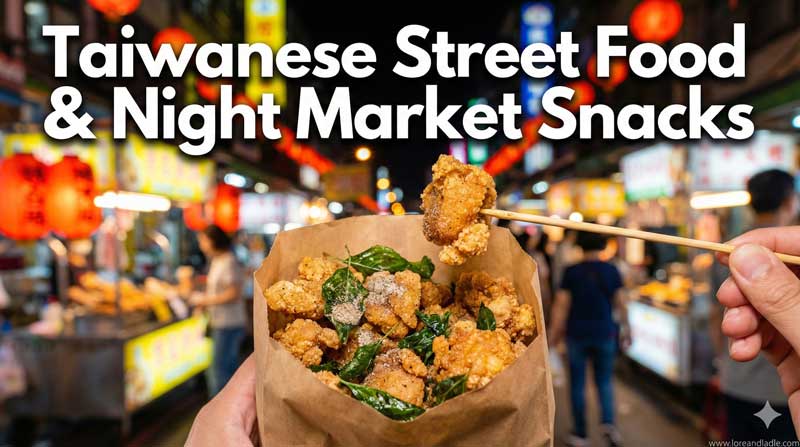
Fried Chicken Cutlet (Crispy Chicken or Salted Crispy Chicken): A portable favorite that pairs juicy meat with a crackling crust. This snack honors portion size for on-the-go tasting, a key element of night-market culture. It also illustrates how seasoning, batter, and spice can transform a familiar protein into a street-first experience.
-
Bubble Tea and Tea-based Snacks: The beloved pearl milk tea and related beverages complement savory bites with sweetness and waves of texture. Tea culture and snack pairing come alive here, inviting visitors to slow down and savor contrasts.
-
Shaved Ice with Toppings (Bao Bing or Mango/Shaved Ice): A cool, refreshing finish that adapts to seasonal fruit and local ingredients. This dessert showcases how temperature, sweetness, and fruit brightness work together to cleanse the palate after a savory bite.
-
Iron Egg or Coffin Eggs: A slow-cooked, repeatedly air-dried egg with a chewy, concentrated texture. It is a study in patience and technique, rewarding diners with a lasting, satisfying finish. This snack embodies the persistence and skill behind many street techniques.
-
Small-Plate Variety: A rotating selection of small bites from several stalls illustrates the diversity at night markets. This practice invites exploration, conversation, and shared tasting, reflecting the community spirit of the street.
Craft, Texture, and Technique
Behind each dish lies craftsmanship. The best snacks leverage correct heat, timing, and handling. Wok hei adds a whisper of smokiness to many savory bites. The operator’s timing can turn a good dish into a great one. Doughs, fillings, and batters require precise hydration and temperature control. These micro-techniques define quality and set a standard for street food artistry.
Fermentation, pickling, and marination enrich flavors with depth. These processes create layers that unfold as you eat. Seasonings are chosen with care to balance sweetness, salt, sourness, and umami. The result is a nuanced flavor profile that stays memorable long after the last bite.
Equipment and environment matter too. A well-seasoned wok or a wood-fired oven adds character that modern tools can rarely replicate. Night markets provide the energy that encourages cooks to refine their craft. The lively atmosphere pushes cooks to maintain speed without sacrificing quality. Together, gear, skill, and tempo shape the iconic texture and aroma of these snacks.
Sensory Experience: Aroma, Texture, and Taste
The appeal of these dishes lies in more than taste. Aroma guides anticipation. The crackle of fried batter, the sizzle of searing meat, and the citrus brightness from pickles invite you to explore. Texture contrasts engage the mouth and mind. A tender interior meets a crisp exterior; a smooth sauce coats each bite. Taste unfolds in layers, from salty umami to sweet finishing notes. This multi-sensory journey is why night markets feel alive and inviting.
How to Enjoy Respectfully and Fully
To enjoy these dishes, approach with curiosity and patience. Sample small plates as a shared experience, then deepen your tasting with a favorite bite. Listen to the vendor’s tips on best timing and pairings. When possible, follow seasonal offerings to experience ingredients at their peak. Respect the craft by acknowledging the effort behind each dish. And, of course, savor every bite with gratitude for the community that made it possible.
Conclusion
Best Taiwanese Street Food And Night Market Snacks Dishes That Are Trending Right Now offers a vibrant window into Taiwan’s culinary soul. The collection highlights the cultural value of street food as a living tradition and celebrates the skill, flavor, and social joy of night markets. Each bite tells a story of family recipes, communal sharing, and meticulous technique. By exploring this dish, readers witness how food can connect neighborhoods, spark conversation, and honor tradition while remaining fresh, exciting, and inviting to new tasters.