
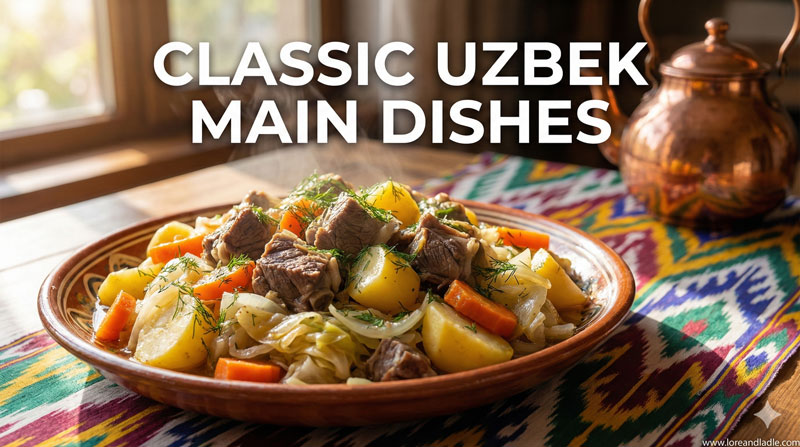
Welcome to Inspired by Tukhum Barak – Classic Uzbekistani Main Dishes Flavor You’ll Love
This post invites you to savor a dish that shines with culture, care, and craft. Inspired by Tukhum Barak, it is a main course that speaks to the heart of Uzbekistani kitchen philosophy. The plates tell stories of family tables, seasonal markets, and the steady hands that mold dough, season meat, and balance textures. It is a food experience you can taste as a moment of cultural harmony.
The Cultural Soul of Uzbekistani Main Dishes
Uzbek cuisine centers on warmth, hospitality, and togetherness. Dishes are built to be shared, and meals mark transitions from day to day to special occasions. The kitchen becomes a gathering place where generations exchange tips, tipsy jokes, and memories. In this context, a well-made main dish is more than sustenance; it is a living link to place, history, and family. Inspired by Tukhum Barak embodies that link by blending familiar techniques with the comfort of a main course meant to bring people to the table.
A Flavor Language You’ll Recognize and Love
What makes this dish compelling is its balance of heartiness and bright aroma. Savory meat meets gently caramelized onions, while a fragrant chorus of herbs and spices lifts every bite. The dough offers a soft, yielding texture that contrasts with tender meat, creating a satisfying mouthfeel. You feel the rhythm of Uzbek tastes: meaty depth, onion sweetness, and herbaceous lift. The result is a flavor language that is confident yet welcoming, familiar yet distinctly Uzbek.
Core Elements: Ingredients that Connect People and Place
The dish centers on a few dependable ingredients prepared with care. High-quality meat—lamb or beef—provides richness and texture. Onions play a starring role, their sweetness deepened by slow cooking. Fresh herbs such as dill and cilantro add brightness, while cumin and coriander provide a warm, earthy note. The dough is simple and sturdy, made from flour, water, salt, and a touch of oil to bring tenderness. A light broth or steaming finish completes the plate, yielding a moist, cohesive dish. These elements reflect how Uzbek cuisine honors basic ingredients and elevates them through technique and patience.
Technique that Elevates Tradition
Technique is where tradition and craft meet in this dish. Kneading the dough to a supple, elastic stage creates a gentle bite that holds up to a hearty filling. The filling is typically prepared by browning meat and onions together to develop flavor, then balancing the mixture with herbs and spices. The assembly follows a careful rhythm: even layering of filling, a snug embrace by the dough, and a gentle cooking method that preserves moisture. Steam or slow simmering seals flavors while keeping textures distinct. This approach honors the idea that good food arises from intentional steps, timing, and respect for ingredients.
Serving Traditions: Sharing at the Table
In Uzbek households, main dishes are often served with fresh bread, crisp vegetables, and bright herbs. A platter of greens, tomatoes, cucumbers, and light pickles complements the dish, offering a contrast to the rich, savory center. Tea frequently accompanies the meal, inviting conversation and pause between bites. Portions are generous, inviting guests to savor seconds and reflect on the cooking process. The ritual of serving becomes a social art, reinforcing hospitality and warmth in every gathering.
Regional Characters: How Variations Enrich the Dish
Across Uzbekistan, cooks draw on regional nuances to shape this dish. In some regions, the meat-to-dough ratio leans toward a heartier bite; in others, the stock is a touch lighter, letting herbs shine through. Local varieties of dill, cilantro, or parsley appear in different levels of intensity, giving each version a distinct signature. Spices may be adjusted to highlight heat, aroma, or a cleaner finish. These variations reveal how a single concept can adapt to landscape, climate, and family tradition, while still preserving the shared cultural thread.
Pairings and Menu Moments
This classic Uzbekistani main dish pairs beautifully with a simple herb salad or sliced cucumbers and tomatoes dressed gently with oil and lemon. A modest lentil or bean side can provide additional texture and nutrition, accentuating the dish’s meaty core. For dessert, a light caramel or fruit-based option offers a gentle sweet finish that does not overwhelm the palate. The overall menu centers on balance: meat, dough, onion sweetness, herb brightness, and a soothing tea or a cool beverage to cleanse the palate.
Cooking Tips for a Taste of Tradition
- Choose quality meat with good marbling to enrich flavor.
- Brown the onions slowly to unlock natural sweetness before combining with meat.
- Fresh herbs should be added toward the end of cooking to preserve their aromatic brightness.
- Knead the dough until it is smooth and elastic, then let it rest to relax.
- When assembling, aim for even distribution of filling to ensure uniform texture in every slice.
- Finish with a light drizzle of oil or a whisper of broth to keep the dish moist and inviting.
A Dish that Helps Preserve a Living Food Culture
This dish is more than a recipe; it is a keeper of tradition, a bridge between generations, and a celebration of shared meals. By embracing the techniques, flavors, and rhythms of Uzbekistani cooking, you participate in a living culinary culture. Each bite invites you to imagine a bustling kitchen, a family table, and a story told through food. It is a reminder that great main dishes arise from care, community, and curiosity.
Closing Reflections: Why This Dish Delights
If you seek a main course that embodies warmth, skill, and cultural richness, this dish delivers. It offers comfort without being heavy, complexity without confusion, and familiarity with a fresh twist inspired by Tukhum Barak. The result is a dish you’ll love not only for its taste but for its sense of place. Treat it as a poem in edible form—crafted with patience, shared with friends, and enjoyed in the spirit of Uzbekistani culinary tradition.