
Introduction
Inspired by Tukhum Barak – Uzbekistani Rice & Pilaf Specialties Flavor You’ll Love is a dish that celebrates heritage through the warm language of food. It folds the practical craft of Uzbek pilaf with a curated taste profile that feels both traditional and welcoming. The result is a plate that speaks of kitchens where rice and meat meet in patient simmering, and where every bite carries a story of shared tables and generous hospitality. This post highlights the cultural value and culinary significance of the dish, inviting you to savor its beauty as it sits at the crossroads of flavor and tradition.
The Essence of Uzbek Rice and Pilaf
Uzbekistan has a long, generous relationship with rice pilaf, known locally as osh or plov. The dish centers on simple, honest ingredients: fragrant rice, tender meat (often lamb), onions, carrots, and a handful of spices. Yet those few elements are transformed by technique into something greater than the sum of their parts. The order of steps matters. The rice is rinsed and soaked to achieve separate grains. Caramelized onions build sweetness. Carrots are cut to match the rhythm of the pot. Spices like cumin and coriander add warmth rather than heat. The meat braises in its own juices, releasing depth that perfumes the rice as it cooks. In this way, the dish embodies a cultural practice: turning daily ingredients into something celebratory through mindful craft. When you taste it, you sense a long lineage of cooks who perfected balance, patience, and generosity.
The Cooking Craft: Techniques and Tools
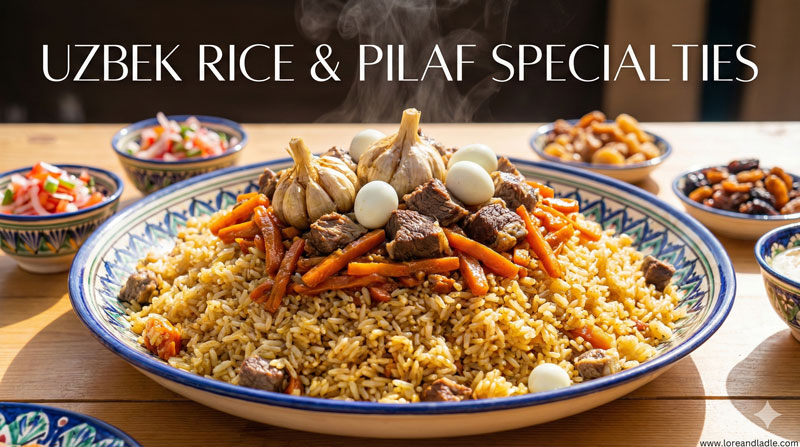
A key to the dish’s character is its cooking method. Traditional Uzbek pilaf often uses a large kazan—a wide, heavy cauldron that distributes heat evenly. Oil heats until shimmering, then onions soften and sugars release their sweetness. Spices bloom here, filling the space with aroma before the rice joins the pot. The meat is layered carefully, then the rice floats on top with just enough broth to steam to tenderness. Lid on, the dish braises slowly, allowing flavors to marry. The result is grains that are tender but distinct, studded with meat chunks and glossy carrot ribbons. This method reflects cultural values of patience, precision, and care, shared across households and kitchens. The cooking space becomes a communal studio where families or friends take part, and the pot acts as a quiet centerpiece around which stories and laughter flow.
Cultural Ties: Hospitality, Celebrations, and Family
Food in Uzbek culture is a language of hospitality. A dish like this one opens doors to conversation and warmth. Hosting with osh signals generosity and respect for guests. The act of serving, the way bowls are passed, and the ritual of sharing the first bite all reinforce social bonds. Pilaf is a natural choice for celebrations—weddings, harvests, new beginnings, and simple Sunday gatherings alike. It invites multiple generations to gather, observe, and contribute. In this sense, the dish is not just sustenance; it is a cultural instrument that teaches sharing, gratitude, and attentiveness to others’ needs. The flavors carry memory for many families, linking recipes passed down from grandmothers to grandchildren and beyond. This continuity adds to the dish’s cultural value, making it a living thread in the fabric of Uzbek dining culture.
Modern Expression: Inspired by Tukhum Barak
This preparation draws inspiration from Tukhum Barak while honoring Uzbek rice-pilaf traditions. The fusion respects core techniques—layering, careful steaming, and a balanced spice profile—while inviting modern palates to enjoy the familiar warmth of the classic. The result is a dish that feels both timeless and current: the comforting familiarity of plov, enhanced by a thoughtful blend of herbs and aromatics that bring brightness to the plate. In this light, the dish acts as a bridge—keeping tradition intact while celebrating contemporary tastes. It’s an example of how culinary improvisation can honor roots and invite broader appreciation of Uzbek flavors.
Pairings, Serving, and Savoring
Taste unfolds most fully when the setting supports it. Serve this dish with fresh herbs—cilantro or dill—alongside crisp salads and traditional bread. A simple tomato-cucumber salad, pickled vegetables, and a wedge of lemon can brighten the plate without overpowering the core flavors. Tea between bites invites conversation and rhythm, reinforcing hospitality. When plated, present the pilaf in a wide dish or on a shared platter to emphasize communal eating. The most meaningful moments often come from the slow, shared enjoyment of the first spoonful, followed by quiet conversation and easy laughter. Such serving traditions highlight the dish’s role as a social centerpiece, not merely a meal.
Craft and Craftsmanship in the Kitchen
The beauty of this dish lies in the craft as much as in the taste. Soaking rice to achieve separate grains, timing the onions’ sweetness, and letting the steam carry the aroma all demand attention. The cook’s hand guides the pace—adding broth gradually, then stepping back to let heat work its magic. Even small choices, like the cut of carrot or the cut of meat, influence texture and balance. This craft fosters patience, care, and a respect for ingredients, all of which are valued in Uzbek culinary culture. In learning and sharing these techniques, Home Cooks pass on a tradition of excellence that can be enjoyed across generations.
A Cultural Celebration in Every Bite
Every bite offers a reminder of culture as living practice. The dish embodies generosity, time-honored technique, and a shared sense of belonging at the table. It invites readers to explore Uzbek flavors in a way that is respectful and inviting. By presenting a well-balanced plate and a thoughtful story behind it, we honor the culinary heritage that makes Uzbek cuisine distinct. The dish stands as a tribute to cooks who elevate simple foods into memorable experiences through patience, skill, and generosity.
Conclusion
Inspired by Tukhum Barak – Uzbekistani Rice & Pilaf Specialties Flavor You’ll Love presents more than a meal; it offers a window into Uzbek cultural value and culinary significance. It shows how the act of cooking can celebrate hospitality, family, and shared joy. The dish bridges traditional methods with modern appetites, inviting everyone to experience the warmth of Uzbek flavors. If you seek a meal that mirrors community, craft, and timeless taste, this pilaf-style dish welcomes you to a table where food and culture meet in a single, delicious moment.