
Introduction
This post invites you into a humble, warm kitchen ritual: turning leftovers into a next-day classic cheese and bean pupusa. The idea is simple yet rich in cultural value. A pupusa is more than a dish; it is a way to honor daily cooking, to celebrate resourcefulness, and to share a comforting meal with family and friends. When you transform yesterday’s beans and cheese into today’s pupusas, you join a kitchen tradition that loves balance, texture, and the joy of a well-made bite.
The Cultural Heart of Pupusas
Pupusas sit at the center of many home kitchens as a beloved, everyday food. They speak of patience in hands and clarity in taste. The masa is a canvas, the filling a story. Cheese provides a mellow melt, while beans bring a creamy, hearty contrast. The act of shaping and cooking pupusas is a small ceremony: you mix the masa, press it into discs, envelope a filling, and seal with care. When these discs hit the hot surface, they crisp at the edges and soften inside, releasing aroma that invites tasting. This dish celebrates craft, balance, and the beauty of turning simple ingredients into something special. It is a testament to sheeted warmth, family conversation, and the quiet pride of a well-made meal.
From Leftovers to Next-Day Pupusas
You can turn yesterday’s leftovers into next-day pupusas with a few straightforward steps. The goal is to reuse what you have, while preserving the best texture and flavor. Here is a clear approach:
- Gather the filling. Mash leftover beans until smooth. If you have cheese scraps, grate them finely. A little salt helps the bean paste wake up its flavor.
- Prepare the dough. In a bowl, mix masa harina with warm water and a pinch of salt. Stir, then knead until a smooth, pliable dough forms. If the dough feels dry, add a tiny splash more water.
- Portion and shape. Break the dough into equal pieces. Roll each piece into a ball, then flatten to a disc about 3 to 4 inches across.
- Add the filling. Place a small spoonful of bean paste in the center of a disc. Sprinkle a little cheese over the beans. Fold the edges over the filling and seal to enclose it.
- Press gently. Flatten the stuffed dough between your palms or with a tortilla press to about half an inch thick. The edges should stay sealed so the filling doesn’t escape.
- Cook with care. Heat a dry comal or skillet over medium-high heat. Cook pupusas until the bottom browns lightly, then flip and cook the other side. The cheese should melt, and the filling should be heated through.
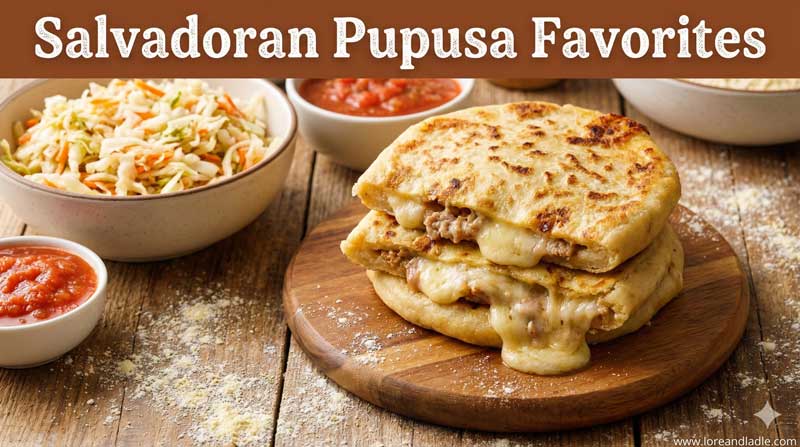
- Serve beautifully. Pair with curtido (a tangy pickled slaw) and a bright salsa. A fresh squeeze of lime or a few avocado slices can brighten the plate.
Tip: keep the dough slightly damp if it starts to crack. A light touch of moisture helps the pupusas stay cohesive and tender as they cook.
The Texture and Flavor
The texture of a well-made pupusa is a small, satisfying balance. The outside skin should be crisp but not hard. Inside, the masa remains soft with a gentle chew. The bean filling provides a creamy core, and the cheese adds a warm, gooey melt. When you bite in, the contrast between the crisp crust and tender center becomes a comforting harmony. The accompanying curtido brings acidity and crunch, while the salsa adds brightness. This combination is why the dish feels both simple and celebratory, a perfect example of how leftovers can become something greater.
Serving and Tradition
Pupusas invite sharing. In many homes, a plate of hot pupusas becomes a moment for conversation, a chance to slow down, and a reason to gather around the table. Serving them with curtido and salsa creates a balanced plate that delights with textures and flavors. The act of making pupusas from leftovers encourages mindful cooking: it respects what’s on hand and elevates it through technique and attention. This practice reinforces a sense of care and community that many households cherish in their everyday meals.
Tips for Success and Variations
- Keep the filling simple and flavorful. Beans shine with a touch of salt and a hint of garlic crushed into the paste.
- Use good cheese. A melt-friendly cheese or a blend that you enjoy will make the center irresistible.
- Maintain moisture in the dough. If the dough tightens up, cover it briefly to rest and regain flexibility.
- Experiment with timing. A slightly hotter pan yields a crisper crust, while a gentler heat yields a softer bite.
- Pair thoughtfully. A fresh salsa, a bright curtido, and a cool beverage complete the experience.
A Quiet Celebration of Food
Turning leftovers into next-day pupusas is more than a recipe. It is a small celebration of ingenuity and care in daily life. The dish honors the texture of good ingredients, the skill of hands shaping masa, and the joy of sharing food with others. It stands as a warm reminder that good flavors can grow from humble beginnings, and that a thoughtful kitchen can turn yesterday into a delicious, comforting today.