
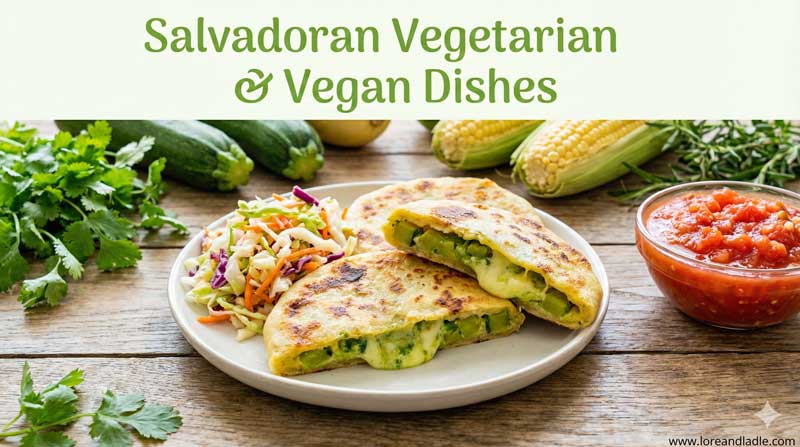
A Dish with Warmth: Pupusas in Everyday Life
Pupusas carry a quiet warmth in kitchens and markets. This version centers on turning leftovers into a next-day vegan bean and veggie pupusa. The process honors careful cooking, clear flavors, and the joy of sharing. It celebrates how a simple pile of scraps can become a beloved dish. The focus here is on cultural value and culinary significance, not on trends or politics. Instead, we watch tradition meet practicality and nourishment.
Leftovers as a Bridge Between Meals
Leftovers are more than saved food; they are a gentle bridge from one meal to the next. A familiar bean and veggie mix can awaken with new life when folded into masa. This practice respects time, resource use, and family rhythms. It shows how daily cooking can become a steady source of comfort. The result is a meal that feels both familiar and fresh, rooted in home flavors.
The Filling: Beans, Veggies, and Flavor
The filling blends texture and brightness. Soft beans create a creamy base, while crisp vegetables add bite. Corn and herbs lift the mixture with color and fragrance. A vegan approach keeps flavors lively and clean, highlighting plant strength. The filling speaks to everyday pantry staples and seasonal produce, making the pupusa a canvas for what’s on hand.
Turning Leftovers into Next-Day Pupusas
First, assess what you have and decide How to rework it. Mash any beans and finely chop the vegetables to a lively mix. If there is a small amount of sauce or seasoning, fold it in to brighten the filling. Then prepare the masa: combine masa harina with warm water and a pinch of salt, and knead until the dough is smooth. Pinch off a piece, flatten it, place the filling inside, and seal the edges. Shape a disk with even thickness. Cook on a hot, dry skillet until the outside is golden and the center remains tender. Let it rest briefly before serving. This sequence keeps the process clear and accessible, while honoring traditional technique and the rhythm of home cooking.
Texture, Color, and Aroma
Texture guides the experience. The exterior should feel crisp, inviting a gentle bite. The center stays soft, holding the bean and vegetable interior. Colors peek through the edges, offering a welcoming sight. The aroma blends corn with toasty notes and vegetable sweetness. This sensory poetry makes the pupusa feel celebratory, even when it begins as leftovers. The experience demonstrates how Simple Ingredients can harmonize into something memorable.
Serving, Pairing, and Everyday Joy
Pair the pupusa with curtido, a tangy slaw, or with fresh avocado and a bright tomato salsa. The cool toppings contrast with the warm, savory center, creating balance on the palate. A light drizzle of salsa or lime can brighten the dish further. Serving this vegan pupusa in a family setting invites conversation and shared tasting. The act of plating echoes hospitality and care, reinforcing the dish’s place in daily food culture.
A Practice of Care in the Kitchen
This approach embodies care: it honors ingredients, time, and technique. It shows how plant-based meals can shine within traditional dishes. It also highlights the beauty of transformation—how leftovers become something worthy of a new day. Embracing this method reinforces a culture of thoughtful cooking, season by season. The result is a dish that feels both timeless and timely.
Final Reflections: The Value of Everyday Craft
Turning leftovers into next-day vegan bean and veggie pupusas reveals a deep appreciation for kitchen craft. It honors the feel of masa in the hands, the scent on the griddle, and the joy of sharing plates that taste of home. The dish sits at the crossroads of everyday life and culinary art, proving that care, flavor, and tradition can grow together. In this practice, culture and cuisine meet in a warm, welcoming bite.