
Introduction
Indonesian food brings bright aromas, balanced textures, and a sense of place to the table. Udang Goreng Tepung, a crisp battered shrimp dish, sits at the heart of this warmth. In America, this dish and its fellow Indonesian classics invite curious eaters to explore technique, aroma, and the simple joy of sharing a meal. The experience centers on care in preparation, clarity in flavor, and the beauty of everyday cooking that travels well.
The Dish: Udang Goreng Tepung
Udang Goreng Tepung features shrimp coated in a light, fragrant batter and fried until the coating turns golden and crackly. The result is a tender shrimp inside, a crisp shell outside, and a savory-sweet aroma that invites a closer bite. The seasoning tends to be straightforward: salt, garlic, a touch of pepper, and sometimes a whisper of white pepper or sesame. It pairs well with dipping sauces and bright accompaniments like lime or a chili-sauced condiment. This dish is a wonderful example of how a simple batter can elevate the natural sweetness of seafood while maintaining a clean, lively finish that lasts from the first bite to the last.
The Techniques Behind the Crisp
Crispness comes from careful batter and frying technique. A light batter uses a balance of flour, starch, and cold liquid to create a delicate, non-greasy crust. Resting the batter briefly helps hydrate the starches for even coating. Frying at a steady, moderate heat sets the batter quickly without overcooking the shrimp. Some cooks double-dip for extra crunch, while others rely on a single, well-tempered coating. The result is a texture that stays crisp on the outside and juicy on the inside, a hallmark of confident home and chef-level cooking alike. Fresh herbs or aromatics in the batter, such as garlic or white pepper, lift the flavor without overpowering the shrimp’s sweetness. This balance makes Udang Goreng Tepung approachable for many kitchens and moments.
Other Authentic Indonesian Dishes Loved in America
- Nasi Goreng (Fried Rice): Fragrant and comforting, this dish blends savory soy, garlic, and onions with a gentle kick, often topped with a fried egg. It shows how rice can become a canvas for bold flavors.
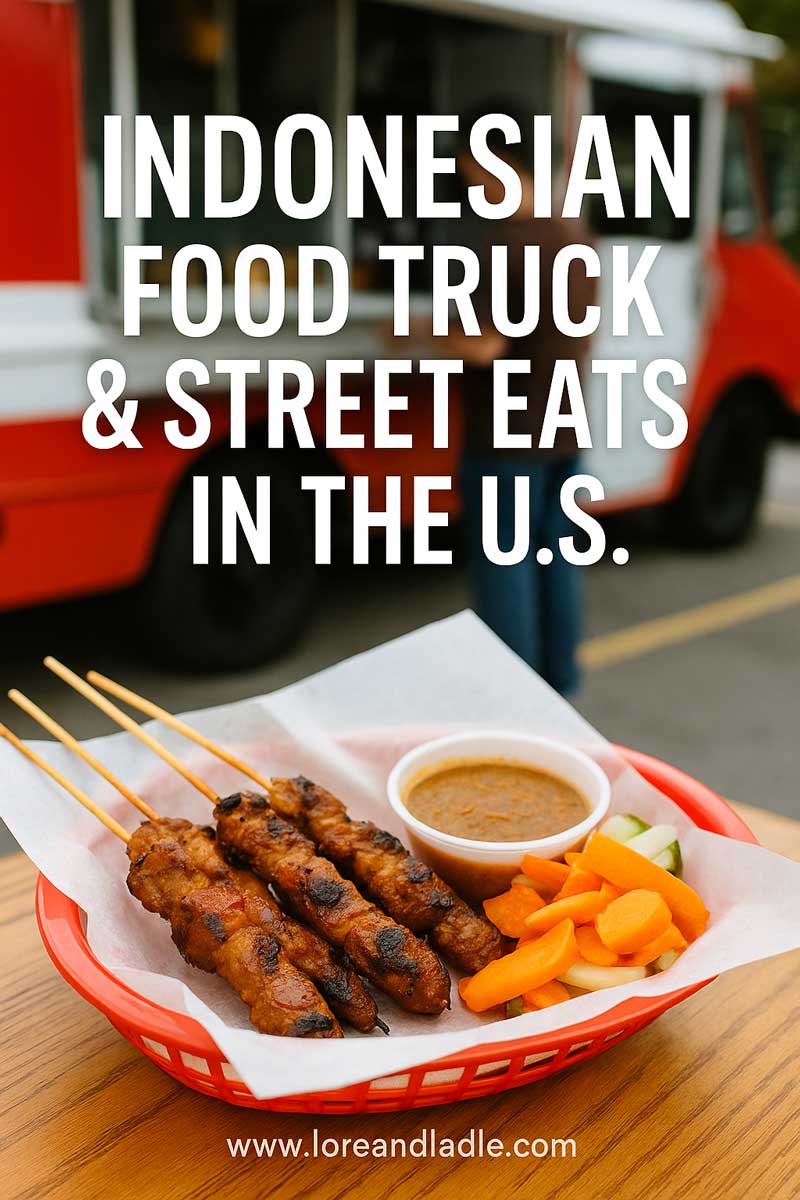
- Satay with Peanut Sauce: Skewered grilled meat or seafood, brushed with a glaze and served with a peanut-sesame sauce. It highlights grilling technique and the harmony of sweet, nutty, and savory notes.
- Gado-Gado: A fresh vegetable salad dressed in a rich peanut sauce. It celebrates balance and bright textures, from greens to crisp vegetables to soft tofu.
- Rendang: Slow-simmered beef or chicken in coconut milk and spices. It embodies patience and depth, with aromatic layers that reveal themselves over time.
- Soto Ayam: A clear, comforting chicken soup with turmeric, lemongrass, and lime leaves. It speaks to nourishment, warmth, and homey meals.
These dishes together demonstrate how Indonesian flavors translate into shared meals in America, preserving technique, color, and aroma while inviting cooks to adapt with care.
The Cultural Value and Culinary Significance
These dishes carry meaning beyond taste. They showcase a culture that values balance—between sweet and savory, soft and crisp, bright and mellow. The cooking methods honor craft: precise batter choices, temperatures, and timing create textures that feel both familiar and new. Sharing Udang Goreng Tepung and its kin invites conversations about ingredients, regional twists, and personal favorites, enriching the dining experience. The dishes also illuminate how Indonesian ingredients—fresh seafood, lime, garlic, and aromatic herbs—come together to tell a story of place, season, and community. For Home Cooks and chefs alike, these foods become ambassadors of technique, comfort, and the joy of good company gathered around a plate.
How to Enjoy Indonesian Dishes in America
- Pair with bright sauces: a tangy lime dip or a light chili sauce elevates the natural flavors without masking them.
- Serve with greens or rice: a simple bed of white rice or a crisp cucumber salad complements the textures and keeps flavors in balance.
- Embrace dipping and sharing: small plates encourage exploration of multiple dishes and flavors in one meal.
- Create a tasting moment: sample Udang Goreng Tepung beside Nasi Goreng and Satay to experience contrast in textures and seasoning.
These ideas help transform a meal into a cultural experience, highlighting technique and taste in equal measure.
Conclusion
Udang Goreng Tepung and other authentic Indonesian dishes loved in America reveal a culinary world defined by craft, balance, and warmth. The crisp shrimp, the fragrant batters, and the thoughtful pairings invite cooks and diners to celebrate technique and flavor. This cuisine offers a generous invitation: to explore, savor, and share the beauty of Indonesian cooking wherever tables are set, and to appreciate how every dish contributes to a richer, more flavorful food culture.