
Introduction: A Taste of Indonesia in Everyday Life
Udang Goreng Tepung sits at the heart of Indonesian hospitality. The dish pairs a bright, succulent shrimp with a crisp, golden crust, inviting friends and family to gather and share. When Indonesian rice bowls enter the scene—Nasi Goreng, Nasi Uduk, Nasi Kuning, Nasi Campur—the meal becomes a colorful, comforting story told through aroma, texture, and balance. This post celebrates Udang Goreng Tepung and Indonesian Rice Dishes & Bowls as a living part of food culture in the United States. It highlights how technique, ingredients, and place come together to create meals that feel like home, wherever you are.
Udang Goreng Tepung: A Crispy Icon
Udang Goreng Tepung shines because every bite blends sweetness, salt, and a delicate crunch. Plump shrimp are coated in a light batter that clings just enough to protect the tender flesh while crisping quickly in hot oil. The result is a shell that crackles, releasing clean shrimp aroma and a hint of garlic and pepper. The dish is versatile: it can stand alone as a snack, appear as a protein in a larger plate, or star alongside fragrant white rice and bright condiments. In many kitchens, its appeal comes from the texture contrast—the soft interior of the shrimp meeting a crackly shell—paired with a clean, zesty finish from lime or a chili-sambal dip.
The Craft: Batter, Frying, and Finish
The batter for Udang Goreng Tepung is simple yet precise. A thin coating of flour with a touch of starch helps lock in moisture and boost crispness. Garlic, white pepper, and a pinch of salt season the mix, while a splash of cold water or ice elicits a light, airy coat rather than a heavy crust. Some cooks add a whisper of cornstarch or tapioca starch to improve elasticity and feather-like crunch. Frying happens in hot oil just long enough for a golden color and a shatter-crisp edge. After frying, a brief rest allows excess oil to drain and the batter to set. The result is shrimp that stay juicy inside, with a crust that resists sogginess and shines with a subtle aroma of fried garlic.
Indonesian Rice Dishes & Bowls: A Palette of Comfort
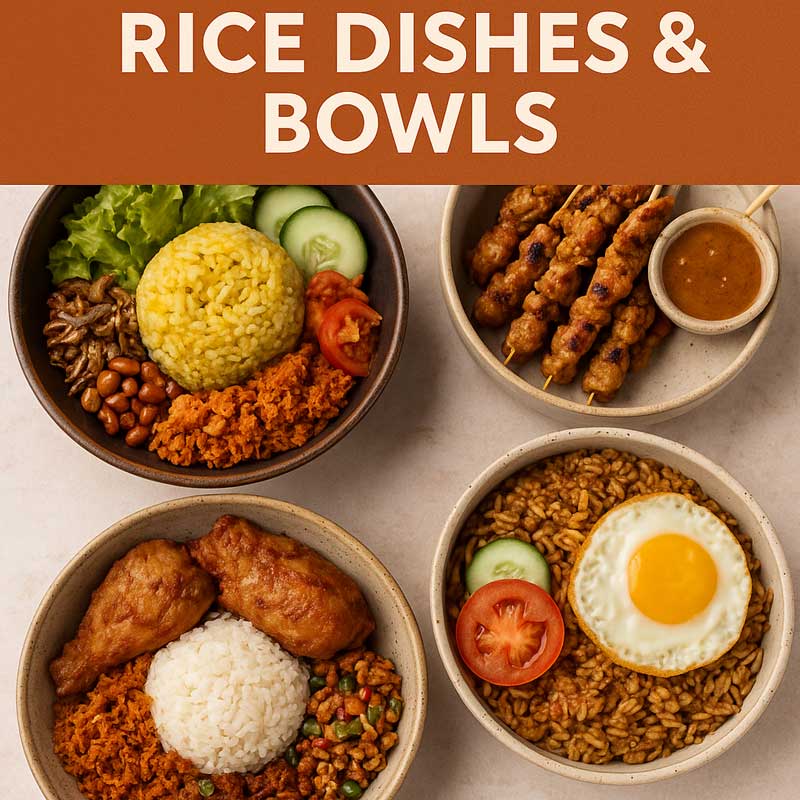
Rice is the quiet canvas that supports bold Indonesian flavors. Nasi Goreng, a fragrant fried rice, blends garlic, shallots, sweet soy sauce, and kecap manis into a savory, slightly sweet foundation. Nasi Uduk offers a fragrant, coconut-inflected base, often crowned with fried shallots and slices of cucumber. Nasi Kuning uses turmeric to create a sunny, comforting yellow bed that invites toppings like fried tempeh, eggs, and sambal. Nasi Campur is a balanced bowl that pairs rice with a mosaic of proteins, vegetables, and sauces. Together, these bowls celebrate variety: crisp vegetables, juicy meats, smooth sauces, and bright condiments. They invite customization and shareable dining, where each spoonful tells a part of the story.
Pairing Udang Goreng Tepung with Rice Bowls
When Udang Goreng Tepung meets Indonesian rice bowls, texture and aroma harmonize beautifully. The crisp shrimp adds a crunchy contrast to the soft, steaming rice. A squeeze of lime or a dab of sambal highlights both sweetness and heat, guiding the palate from one flavor note to the next. Dipping sauces—sweet chili, tangy soy-lime, or a creamy sambal mayo—create micro-communions of taste, inviting guests to explore contrast and balance. This pairing also mirrors Indonesian dining culture, where a meal is often a tapestry of bites: a finger-tingling bite of shrimp here, a creamy bite of coconut rice there, and a final kiss of fresh herbs to finish.
Cultural Value: Craft, Hospitality, and Shared Moments
Udang Goreng Tepung and Indonesian rice bowls embody care, craft, and community. The dish reflects a practical elegance: simple ingredients treated with attention yield something greater than the sum of parts. The cooking process values patience, timing, and clean presentation, all of which honor those who share the meal. In homes and small eateries, meals become rituals of welcome. The bowls allow for generous portions, seasonal produce, and a rhythm of mixing, tasting, and adjusting. This approach to food emphasizes balance—between textures, between sweet and savory, and between spicy heat and cooling sides. It is a cuisine that teaches generosity through everyday cooking and special-occasion gatherings alike.
A Bridge for Indonesian Food Fans in the U.S.
In the United States, Indonesian fans find joy in the accessibility of ingredients and the continuity of flavor from home kitchens to local restaurants. Shrimp, rice, garlic, shallots, and fragrant aromatics can be sourced in many markets, making Udang Goreng Tepung approachable for home cooks. At the same time, the variety of Indonesian rice bowls offers a familiar yet adventurous pathway for exploring new combinations. This culinary bridge invites both experimentation and reverence: you can recreate the comfort of a beloved bowl at Home or savor a rendition from a neighborhood chef who honors tradition while adding personal flair.
Tips for Exploring at Home and in Community Kitchens
- Start with fresh shrimp and a light, crisp batter to preserve juiciness inside.
- Pair Udang Goreng Tepung with a bright lime wedge and a lively dipping sauce.
- Build a bowl around rice, adding greens, protein, and a splash of sambal or kecap manis.
- Respect regional variations: a Java-style plate may lean toward sweeter notes, while a Bali-inspired plate might carry more heat and coconut accents.
- Enjoy with friends and family; meals become memorable when shared with conversation and laughter.
Conclusion: Embracing Flavor, Craft, and Community
Udang Goreng Tepung and Indonesian Rice Dishes & Bowls offer more than taste. They embody care, technique, and a welcoming spirit that travels well beyond national borders. In the U.S., these dishes invite exploration of Indonesian culinary artistry—one crispy bite, one fragrant bowl, one moment of shared delight at a time. Whether you are cooking at home or visiting a kitchen in your community, let the textures, colors, and bold yet balanced flavors remind you of the beauty of Indonesian food culture and the joy of gathering around good food.