
Introduction
A Taste of Non Bread – Uzbekistani Rice & Pilaf Specialties Flavor You’ll Love opens a window into a warm food culture that treasures aroma, texture, and shared meals. This dish blends the earthiness of rice with tender meat, bright carrots, and fragrant spices. It invites you to pause, savor, and celebrate hospitality. The name itself nods to a staple in Uzbek kitchens: non, the round flatbread that travels from oven to table, pairing perfectly with a fragrant pilaf. In every bite, you taste a tradition built on care, balance, and the joy of gathering.
The Core of Uzbek Cooking: Plov and Non Bread
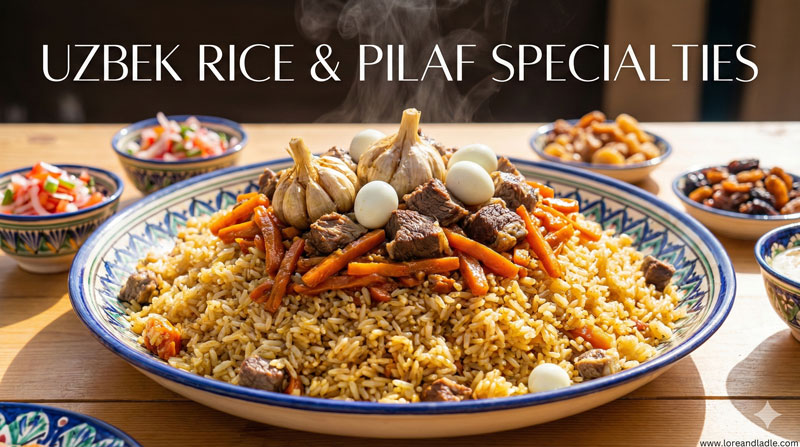
Uzbek plov, or pilaf, is the heart of this dish. It centers on long-grain rice, lean or tender meat, and a chorus of aromatics. Caramelized onions provide sweetness and depth, while carrots add color and gentle sweetness. Spices like cumin and coriander spark warmth, and a hint of pepper lifts the profile. Garlic and bay leaves layer in subtle perfume. The non bread beside it is not just bread; it Is a companion that soaks up every flavorful drop, offering texture and contrast. Together, they tell a story of home, generosity, and careful craft.
The Technique: From Pot to Palate
The preparation honors time-tested technique. First, cooks heat oil in a sturdy kazan or heavy pot. They brown meat to develop a rich foundation. Next, onions soften until they glow, releasing sweetness. Carrots follow, sliced into thin ribbons or batons to release color and sugary notes. Spices are added to bloom, filling the kitchen with a warm aroma. Water or broth joins the mix, creating a cooking map for the rice. The rice is rinsed and added in a careful layer, so it rests above the flavorful broth. The dish then simmers until the rice absorbs the liquid and stays fluffy. A gentle rest period helps carry the flavors through. The result is a harmonized bite where meat, vegetables, and grains stay distinct yet deeply connected—a culinary tapestry that defines the dish.
Cultural Value: Hospitality Made Edible
This dish embodies hospitality at its best. In Uzbek homes, food is an invitation. A shared plate of plov signals welcome, respect, and care. The non bread, sliced or torn for dipping, reinforces togetherness. Families gather to prepare and enjoy the dish, teaching younger cooks the rhythms of timing, balance, and patience. In markets and kitchens, the scent of cumin, onion, and carrot draws people toward one another, sparking conversations about family recipes and regional twists. The dish thus serves as a bridge between generations, a living archive of taste and technique passed down through generations with pride and joy.
Flavor Profile: A Balance of Earthy and Bright
A Taste of Non Bread delights the senses with a well-balanced palette. The rice offers a comforting, nutty backdrop. Meat provides depth and savor, while onions lend sweetness that counters the savory notes. Carrots contribute brightness and a gentle sweetness that echoes harvest traditions. The spices deliver warmth without overwhelming the dish, letting each element speak. The non bread adds a toasty, chewy counterpoint, perfect for scooping up bites. Together, the flavors create a serene yet uplifting experience that reflects the land’s culinary generosity.
Serving Traditions and Etiquette
Serving this dish is a ritual of care. It is commonly plated in a communal style, encouraging sharing and conversation. Slices of non bread accompany the pilaf, ready for a soft tear and a savory lift. Fresh herbs, like green cilantro or dill, might garnish the dish, brightening the plate and inviting a breath of freshness. Tea often follows the meal, offering a gentle close to the experience. The serving rhythm—preparation, presentation, and sharing—reinforces a culture where food is a gift and dining together is a moment of connection.
Regional Twists and Variations
Across Uzbekistan, you may encounter small but meaningful twists. Some cooks favor lamb for a richer, deeper taste; others choose beef or chicken for a lighter note. The carrot cut and the spice mix can vary by region, offering subtle differences in aroma and texture. A few kitchens add dried fruits or fresh herbs to introduce a hint of sweetness or brightness. These variations honor local farms, seasonal produce, and personal family traditions while keeping the core identity intact: a plov with nourishing rice, tender meat, and a comforting, shareable nature.
Pairings and Occasion
This dish shines at celebrations and everyday meals alike. It pairs beautifully with green tea or a simple, clear broth that cleanses the palate between bites. For gatherings, serving it with extra non bread invites guests to savor with their hands and hearts. The dish’s generous portions and comforting profile make it ideal for Family meals, festive occasions, and casual reunions. Its presence on the table signals warmth, generosity, and a welcome space for conversation.
A Timeless Bread and Rice Harmony
A Taste of Non Bread – Uzbekistani Rice & Pilaf Specialties Flavor You’ll Love is more than a dish; it is a celebration of technique, sensory delight, and communal life. It shows how Simple Ingredients—rice, meat, vegetables, and bread—can converge into something that nourishes both body and spirit. The careful balance of texture and aroma invites cooks and diners to slow down, to notice the skill that goes into each step, and to appreciate the beauty of a well-made meal shared with others. In this harmony of bread and pilaf, you taste a culture that honors craft, hospitality, and the joy of good company.
Conclusion
If you seek a meal that speaks softly yet profoundly of Uzbek culinary artistry, this dish offers a sincere invitation. A Taste of Non Bread invites you to explore a culture where food is a gesture of welcome, a vehicle for memory, and a celebration of community. With its comforting textures, warm spices, and the timeless pairing of pilaf with non bread, it invites you to savor not just flavor but a shared human experience.