
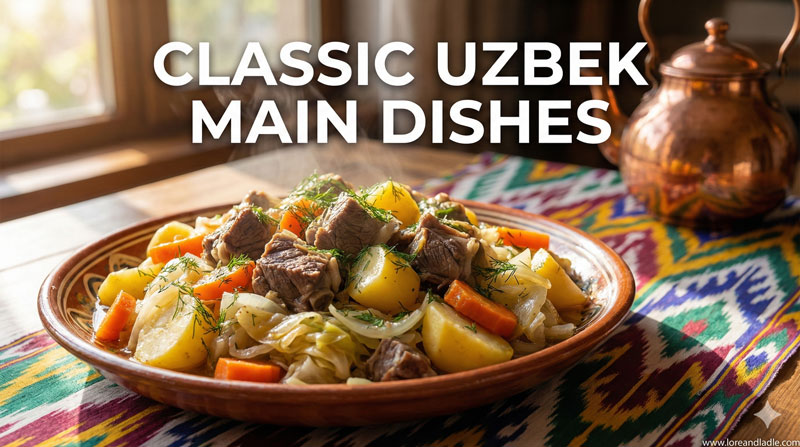
A Taste of Non Bread: A Bridge Between Hearth and Table
A Taste of Non Bread – Classic Uzbekistani Main Dishes Flavor You’ll Love invites readers into a warm kitchen where bread stands beside every meal as a trusted companion. In Uzbek homes, non (bread) is more than sustenance; it Is a daily greeting, a shared ritual, and a canvas for flavor. When you bite into a freshly baked non, you feel the rhythm of the season, the skill of the baker, and the generosity of the family who prepared it. This dish shows how culture and cooking mingle to create a sense of belonging around the table.
The Craft of Non: Dough, Fermentation, and Fire
The heart of non lies in dough that is simple in its ingredients—flour, water, salt, and a touch of yeast or sourdough starter. Yet the magic happens when these basics are guided by patience and practice. The dough rests and ferments, developing a mellow tang and a supple texture. Then comes shaping: a careful, confident hand stretches the dough into rounds or ovals, each piece carrying the promise of a soft interior and a crisp rim. The bake finishes in the tandir, a clay oven that roars with heat and breathes a smoky aroma into the bread. The scent alone signals a gathering, a moment to share.
The Tandir Oven: A Symbol of Uzbek Hospitality
The tandir is more than a tool; it is a companion in Uzbek hospitality. Fires glow behind a clay mouth, and the bread meets the heat in seconds that feel like a moment of ceremony. The outdoor or communal tandir reflects village and city life alike: a place where neighbors converge, stories rise as the bread does, and the day’s meals begin with a warm, respectful welcome. A well-baked non carries specks of sesame or poppy seeds and has a glossy, rosy crust that crackles gently when broken. Each loaf tells the region’s character, from the spices dusted on top to the subtle sweetness inside.
Non as Culinary Canvas: Pairings with Classic Uzbek Dishes
Non serves as the anchor for some of Uzbekistan’s most beloved main dishes. Plov, the fragrant pilaf, relies on non to soak up the savory oils and star flavors of carrots, meat, and cumin. Manty, the folded dumplings, arrive with a side of warm bread to scoop up broth or sauce. Shurpa, a hearty soup, is a comforting companion to torn pieces of non that catch the aromatic broth. In each pairing, the bread soaks, lifts, and balances, turning a simple meal into a harmonious, multi-layered experience. The bread’s texture—soft inside, lightly crisp on the edge—complements the tenderness of meat and the brightness of herbs, creating a chorus of flavors on the plate.
Cultural Value: Sharing, Hospitality, and Everyday Rituals
In Uzbek culture, bread is a daily symbol of care and community. It is broken with gratitude, offered to guests as a sign of welcome, and shared among family members with quiet respect. This reverence teaches a simple lesson: nourishment is a communal journey. The act of passing a warm non from hand to hand or tearing a piece with the right amount of care becomes a small ceremony that reinforces kinship and trust. The bread’s presence at every meal anchors conversations, memory-making, and the joy of ordinary days made special through good food.
A Window Into Regional Heartlines: Variations and Familiar Flavors
Different Uzbek regions bring their own touches to non. Some bakers sprinkle sesame seeds that toast to a nutty aroma; others prefer a plain, soft crust that invites dipping into broths and stews. Round, flat, or slightly oval shapes appear depending on local tradition, yet the purpose remains the same: to accompany and elevate. Whether the non is thicker for scooping rice and meat or thinner for quick bites on the go, it carries the same spirit of warmth and welcome. These variations reveal how food reflects memory, weather, and daily life, all while preserving a shared culinary identity.
Preservation and Modern Appeal: From Markets to Home Kitchens
Today, non travels from bustling markets to modern kitchens with ease. Home bakers recreate the tandir experience by using a hot, well-preheated oven or a cast-iron skillet to mimic the crackling rim and soft center. In markets, bakers demonstrate the craft with rhythmic kneading and precise shaping, drawing crowds who savor the aroma before the first bite. This continuity keeps the tradition alive while inviting new cooks to participate. The result is a living, evolving story of texture, aroma, and communal meals that remains inclusive and inviting for all who want to taste the culture.
Steps You Can Embrace: Bringing Non into Your Table
- Start with a simple dough: flour, water, salt, and a gentle yeast or natural starter.
- Allow the dough to rest, then shape into rounds.
- Bake in a hot oven or on a heavy pan so the edges crisp beautifully.
- Finish with sesame or poppy seeds for a subtle, nutty fragrance.
- Pair with a classic Uzbek main dish to experience how non completes the meal.
In Closing: The Flavor You’ll Love and the Culture It Reflects
A Taste of Non Bread celebrates more than a staple loaf; it honors a culture of warmth, hospitality, and shared meals. The bread’s soft interior and crisp edge invite conversations, while its role in plov, manty, shurpa, and other dishes ties taste to tradition. By appreciating non, you appreciate a way of life that values community, craft, and care. Enjoy the journey from oven to table, and savor the timeless beauty of Uzbek cuisine carried forward in every bite.