
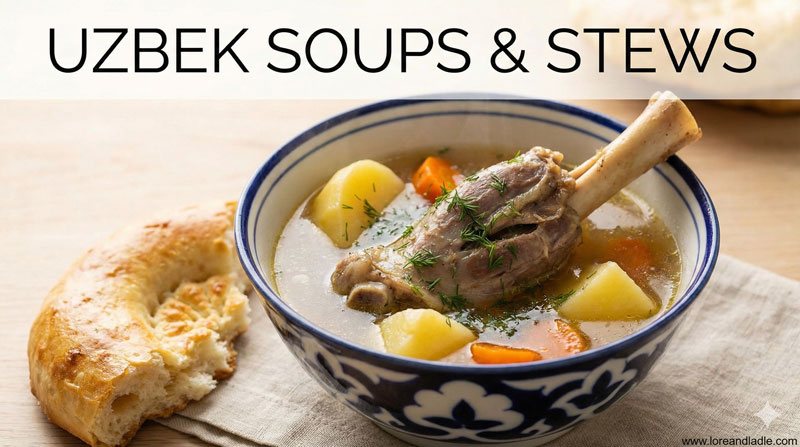
A Taste of Non Bread – Uzbekistani Soups & Stews Flavor You’ll Love is more than a menu item. It Is a doorway into everyday Uzbek life. This dish highlights non bread as a trusted companion to warm bowls. It also centers soups and stews as expressions of patience, skill, and seasonal bounty. Here, flavor and culture go hand in hand. The tone stays respectful, inviting, and curious as it invites readers to savor the beauty of a well-made meal.
A Gentle Welcome to A Taste of Non Bread
This dish opens the table to Uzbek flavor. You will meet soups that soothe and stews that satisfy. Non bread appears at every table, ready to be torn and used as a natural spoon. The result is a sense of balance: a sturdy bread, bright herbs, and a simmering pot. The meal becomes a quiet celebration of daily life. It invites conversation, gratitude, and lingering in good company.
Non Bread: The Table’s Kindness
Non bread is more than Food in Uzbekistan. It is a symbol of hospitality and care. The bread is baked in a hot oven until it develops a soft interior and a lightly blistered crust. Families often bake it together, turning bread making into a small ritual. When placed beside soups and stews, non bread becomes a natural vessel. It carries oils, sauces, and herbs as warmly as a friendly handshake. This bread anchors the meal and honors the cook’s effort.
The Heart of Uzbek Soups and Stews
Uzbek soups and stews are built to honor the season and the cook’s craft. A bowl of shurpa, for example, blends meat, potatoes, carrots, and onions in a clear, comforting broth. The textures are hearty but gentle. Another favorite, a noodle-rich lagman, offers chew and warmth through hand-cut strands and a savory meat base. Each recipe is friendly to beginners and rewarding to seasoned cooks. Together with non bread, these pots tell a clear story of nourishment and care.
Core Ingredients: Land, Farm, and Market
The ingredients come in from nearby fields and markets. Meat, usually lamb or beef, provides a rich, comforting backbone. Vegetables such as carrots, onions, potatoes, and peppers bring sweetness and depth. Fresh herbs like dill, cilantro, and green coriander brighten the finish. Cumin and coriander seeds add a warm, aromatic note without overpowering the dish. Tomatoes or peppers may contribute a gentle tang. The combination reflects a land that values seasonality and practical abundance.
Craft and Technique Across Kitchens
The dish shines when traditional methods are honored. In many homes, soups simmer slowly in a sturdy pot or kazan to coax flavor from meat and bones. Stews are cooked low and long, building depth with each slow stir. Bread is kept nearby to scoop and share. Finishing touches may include chopped herbs and a drizzle of olive oil or pepper paste. The result is a coherent, satisfying flavor that speaks to careful technique and patient time.
Sharing Rituals and the Tea Moment
Eating in Uzbek culture often blends nourishment with sociability. A pot of tea accompanies every meal, inviting quiet conversation and warm pauses between bites. Non bread is torn into pieces and passed around, inviting each guest to participate in a shared experience. This is more than eating; it is a ritual of togetherness. The bowls are cleaned with small, joyful movements, and the table becomes a space for connection.
Regional Voices: A Tapestry of Flavor
Across Uzbekistan, small differences enrich the dish. In one city, stews may lean toward a brighter tomato note. In another, herbs dominate the finish with a perfumed lift of dill. In mountain regions, heartier broths carry robust bones and roots. Yet the core idea remains the same: a nourishing pot beside a warm, bread-bound table. These regional echoes create a tapestry that honors local soils, markets, and family recipes.
How to Experience It at Home
You can bring this cultural flavor into your kitchen with thoughtful planning. Start with a simple, home-friendly recipe of a meat-based soup or stew. Use a sturdy pot and keep the broth clear and bright. Tear the non bread into pieces as you would at the table, letting it soak up the broth. Finish with fresh herbs to lift the aroma. Serve with a pot of tea or a light salad on the side. The goal is to recreate a calm, welcoming dining moment.
A Lasting Celebration of Flavor and Culture
A Taste of Non Bread offers a gentle, enduring portrait of Uzbek cuisine. It celebrates the harmony of bread, soup, and stew. It honors the cooks who balance seasonality with skill and who open their kitchens to friends and family. Reading or cooking through this dish, you glimpse a culture that values warmth, care, and shared meals. The flavors remain inviting, the textures comforting, and the experience deeply satisfying.