
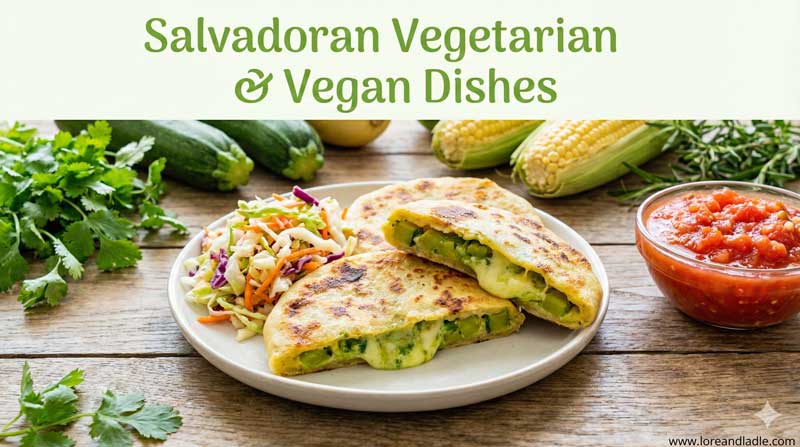
From El Salvador to Your Kitchen: vegan bean and veggie pupusas
A Window into Salvadoran Culinary Culture
Pupusas are a warm and familiar part of Salvadoran life. They appear in markets, at family meals, and during joyful gatherings. The dish centers on a simple idea: masa surrounds a flavorful filling. This vegan version keeps that spirit alive with beans and vegetables. The result is inviting, satisfying, and deeply connected to everyday cooking. Each bite honors a time-tested technique and a Love for wholesome, accessible ingredients.
The Core Ingredients: Masa, Beans, and Veggies
The foundation is masa, a dough made from ground corn. Warm water and a pinch of salt bring it to a smooth, pliable state. For the filling, beans provide protein and creaminess. Add vegetables such as peppers, onions, or zucchini for color and brightness. The mix stays vibrant and plant-based, respecting the dish’s balance of mood and flavor. When you bite into the pupusa, you taste the harmony of humble staples—corn, beans, and garden vegetables—working together.
Craft and Cooking: Pressing on the Comal
Great pupusas begin with care. Roll a portion of dough into a thick disk. Place a spoonful of filling in the center, then fold the dough around it. Gently press and shape to seal the edges. The classic method uses a hot comal or flat griddle to cook each side until the outside turns pale golden and edges crisp slightly. A well-made pupusa holds its filling in a soft center with a delicate crust. If you don’t have a comal, a well-seasoned skillet does the job with quiet reliability. The key is even heat and patient turning.
Flavor, Texture, and Balance
Texture is the heart of the experience. The outer crust gives a gentle crackle, while the inside stays tender and moist. Beans contribute a creamy, savory note, and vegetables supply bright, fresh flavors. The vegan filling remains satisfying without dairy, letting corn sweetness and spice shine through. When you pair pupusas with condiments, the dish grows even more expressive. A tangy slaw or salsa can brighten the plate, while a simple tomato sauce adds comforting warmth.
Curtido, Salsa, and the Plate
Curtido—a tangy cabbage slaw with oregano and chili is a classic companion. Its bite cuts through the softness of the dough and its acidity lifts the flavors of the filling. Salsa roja or a light tomato sauce provides a mellow, fruity warmth. Together, pupusa, curtido, and salsa create a circle of textures and tastes: soft, crisp, tart, and fresh. This trio is a thoughtful reminder of the elegance found in everyday meals.
A Family Moment at the Table
Pupusas naturally invite sharing. A kitchen or market stall becomes a gathering place where hands, eyes, and conversations mingle. Preparing the dough, rolling the pockets, and cooking on the griddle can become a ritual everyone enjoys. This sense of togetherness is a cherished part of the dish’s cultural value. The act of making and eating pupusas strengthens everyday bonds and celebrates the simple joy of good food prepared with care.
Bringing It Home: The Vegan Pupusa Today
Today’s kitchens welcome this dish with openness and curiosity. The vegan bean and veggie pupusa shows how traditional flavor can meet plant-forward cooking. You can adapt the fillings to what’s fresh in your pantry or garden, while keeping the method simple and respectful of the original spirit. Serve them hot, with curtido and a bright salsa, and you invite others to share in a moment of comfort and cultural appreciation. This is more than a snack; it is a small celebration of technique, texture, and the love of good food.