
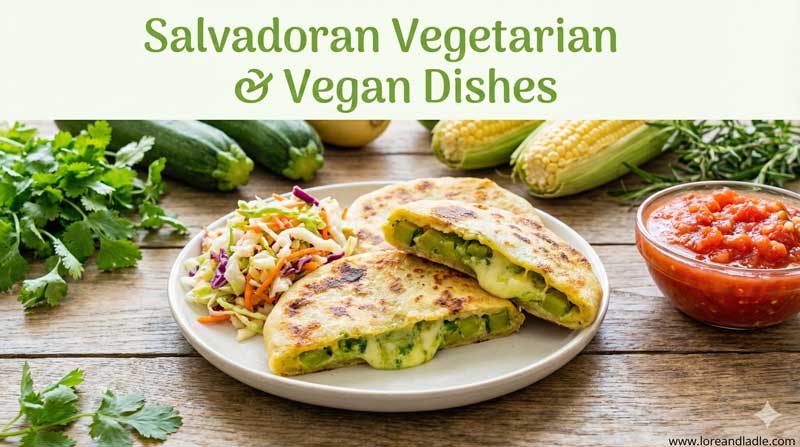
Vegan Bean and Veggie Pupusas: What to Order at Salvadoran Restaurants in the U.S.
Pupusas are a window into Salvadoran cooking. They celebrate simple ingredients crafted with care. The vegan bean and veggie version shines in U.S. kitchens for its bright, comforting flavors and everyday elegance. This dish speaks to warmth, skill, and a shared love of good food.
The Craft That Feels Like Home
Pupusas begin with masa, a smooth, pliable dough made from ground corn. The dough carries the truth of the tread and grind, then becomes a soft circle ready for filling. Skilled hands press the disk into a shallow cup, place the filling inside, and seal it with more masa. The seal must hold, the surface smooth. Finally, the pupusa rests on a hot comal or skillet until the edges bronze and the center glows with tenderness. The result is a bite that combines a crisp edge with a yielding center. in the United States, many kitchens honour this craft with the same patience, inviting diners to taste technique in every mouthful.
Filling Diversity: Beans Meet Veggies
The vegan bean and veggie pupusa balances hearty beans with fresh vegetables. The beans—often mashed and seasoned—provide creaminess and depth. Veggies such as zucchini, corn, peppers, onions, and spinach add sweetness, crunch, and color. The beauty comes from simplicity done well: a harmony of textures, a gentle spice, and a finish that feels satisfying yet light. When a server asks if you’d like vegan fillings, you glimpse the care that goes into offering options that honor dietary choices while preserving tradition.
The Bright Companions: Curtido and Salsa Roja
A pupusa invites companionship. Curtido, a tangy cabbage slaw with a hint of vinegar and peppers, adds crunch and brightness. Salsa roja brings warmth and a gentle heat. Together, they lift the flavors and contrast the softness of the masa. In the U.S., these accompaniments often arrive as a colorful, aromatic chorus, inviting you to slow down and savor. The ritual of dipping and balancing bites makes each tasting moment feel celebratory.
How to Order: A Friendly, Easy Guide
In Salvadoran restaurants across the United States, you can celebrate vegan beans and vegetables with clarity and ease. Start with a clear order: “Pupusas de frijoles y verduras, sin queso” or “vegan pupusas with beans and vegetables.” If you prefer, say “pupusas veganas” and mention you’d like curtido and salsa on the side. Restaurants are happy to tailor fillings and portions. If you want to compare flavors, you can ask for a small plate of each filling option. The goal is a simple, delicious meal that feels personal and precise.
A Cultural Gently Woven Into American Tables
This dish embodies a tradition of care and shared meals. The masa, the fillings, and the toppings come together as a practice passed from cook to diner through generations. In the United States, Salvadoran restaurants preserve that practice by inviting guests to observe or participate in the making, even briefly, when possible. The result is not just food; it is a moment of connection, a taste of a culture’s daily life, and a quiet celebration of craft.
Home Cooking Echoes: Bringing the Experience Home
If you wish to explore further, you can try a home version of vegan bean and veggie pupusas. Use good-quality masa harina, warm water, and a pinch of salt. Create a smooth dough, form small discs, fill with a bean puree and finely chopped vegetables, seal, and cook on a hot pan with a light touch. Serve with curtido and a tomato-based salsa roja. The act of making pupusas at Home echoes the same values: patience, practice, and shared enjoyment.
A Gentle Invitation to Savor the Dish
Vegan bean and veggie pupusas offer more than sustenance. They reveal a culinary language of texture and balance, a craft honed over time, and a social moment around a plate. In Salvadoran restaurants in the U.S., the dish invites curiosity, appreciation, and gratitude for a tradition that welcomes everyone to the table. Savor each bite, notice the harmony of filling and crust, and let the colors and aromas guide you toward a richer sense of place and flavor.