
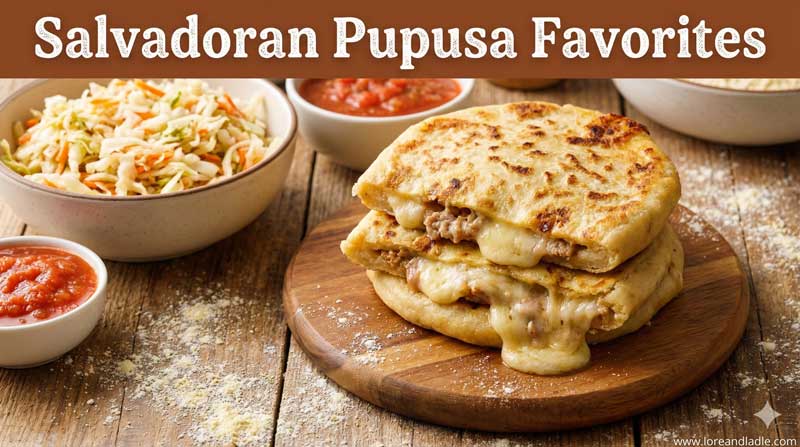
Introduction: Discover vegan-friendly bean and veggie pupusas Loved Across the U.S.
Discover vegan-friendly bean and veggie pupusas Loved Across the U.S. invites readers to taste a dish that blends simple ingredients with vibrant tradition. This pupusa-style creation uses corn masa and a hearty bean-vegetable filling, presented as a small, flexible circle that invites savoring bite after bite. The vegan version centers on plant-based ingredients, celebrating flavor, texture, and the joy of sharing a warm meal with others. It is a dish that many households and venues across the United States embrace for its approachable technique and bright, wholesome personality.
The heart of the dish: masa and technique
The foundation of a pupusa is masa, a smooth dough made from ground corn. Water, a pinch of salt, and patience guide the shaping. The goal is a dough that feels soft but sturdy, able to cradle a generous filling without tearing. Folding the dough around its center creates a sealed pocket, then pressing gently on a hot surface yields a golden crust with a tender center. In this vegan version, the dough shines with the natural sweetness of corn, letting the fillings take the lead in aroma and flavor. The technique is accessible: a quick roll, a careful seal, and a careful press on a heated griddle or comal.
Fillings that bring color and nutrition
For the filling, beans provide body and richness. Black beans or pinto beans are mashed lightly and seasoned to draw out depth. Vegetables—such as bell peppers, spinach, zucchini, onions, and corn—add sweetness, crunch, and color. Fresh herbs like cilantro and a dash of garlic lift the blend. The result is a filling that stays moist yet holds together, allowing each pupusa to be cut or bitten into without losing its shape. This vegan arrangement shows how plant-forward ingredients can offer comfort, nourishment, and a satisfying bite.
A graceful assembly: balance and texture
Texture is central to the pupusa experience. The outer crust is gently crisp, while the interior remains soft and fragrant. The contrast between the warm dough and the creamy bean-vegetable center makes each bite interesting. The balance between corn sweetness, bean earthiness, and vegetable brightness creates a symphony of textures and flavors. The dish also welcomes customization: you can adjust fillings to highlight different vegetables, seasonings, or colors while preserving the core technique.
Serving traditions: curtido and salsa roja
Two accompaniments elevate the experience. Curtido is a bright, lightly pickled cabbage slaw with shredded carrots and oregano. Its tangy crunch cuts rich flavors and brightens every bite. Salsa roja adds warmth and a gentle heat, inviting the palate to explore the layers of taste. Together, these pairings celebrate freshness, balance, and the joy of sharing a plate with friends and family. The presentation becomes a small celebration on a plate, inviting conversation and enjoyment.
Cultural value: a dish that travels with taste
Across the United States, this vegan pupusa celebrates a shared love of practical, flavorful cooking. It speaks to home kitchens and neighborhood eateries alike, where a single dough and a few thoughtful fillings can spark a larger conversation about food, seasons, and community. The dish invites cooks of all levels to participate: mix the fillings, shape the dough, and toast on a hot surface. Its versatility makes it a reliable option for everyday meals, gatherings, and seasonal menus. The result is a dish that feels familiar, comforting, and inviting, no matter where it is prepared.
Culinary significance: technique, economy, and aroma
Culinarily, pupusas demonstrate how few ingredients can deliver depth. The corn masa carries sweetness and a gentle corn aroma that pairs naturally with bean and vegetable fillings. The method—pressing, sealing, and pan-toasting—highlights technique that is both approachable and rewarding. Economical ingredients become a comforting, nourishing dish with a bright personality. The aroma of toasting masa, the scent of sautéed vegetables, and the tang of curtido create a sensory moment that lingers in memory, inviting replications and adaptations.
Accessibility and family-friendly appeal
This dish lends itself to family cooking and beginner-level kitchens. Children enjoy shaping the dough and seeing the filling disappear into a round, pocket-like bite. The vegan angle makes it a welcoming option for diverse dietary preferences, encouraging inclusion at meals and gatherings. The simplicity of the core components—corn masa, beans, vegetables, and a few bright condiments—encourages experimentation while maintaining a clear, satisfying structure.
Regional voices: personal stories of taste
In kitchens and small eateries across the country, cooks share personal twists on the vegan pupusa. Some add roasted corn or peppers for extra sweetness; others fold in leafy greens or mushrooms for different textures. These small variations honor a shared technique while letting each cook imprint a unique flavor profile. The result is a family of recipes that feel familiar yet invite discovery, reinforcing a sense of pride in regional cooking and everyday craft.
Pairings beyond the plate: beverages and occasions
Pair these pupusas with refreshing beverages such as chilled aguas frescas or a light citrus soda to balance the richness. They fit well with casual lunches, Weekend Gatherings, and celebratory meals. The dish also suits farmers markets, pop-up dinners, and classroom demonstrations, where participants can learn by watching, tasting, and sharing ideas. The versatility and warmth of the experience encourage ongoing exploration of plant-based options in social settings.
A closing note: beauty in simplicity
The vegan-friendly bean and veggie pupusas are a testament to how simple ingredients can create something with warmth, culture, and everyday charm. The combination of corn masa, hearty fillings, and bright accompaniments offers a meal that is both comforting and uplifting. In kitchens across the U.S., this dish stands as a graceful example of how good food can celebrate community, craft, and the joy of a shared moment around the table.