
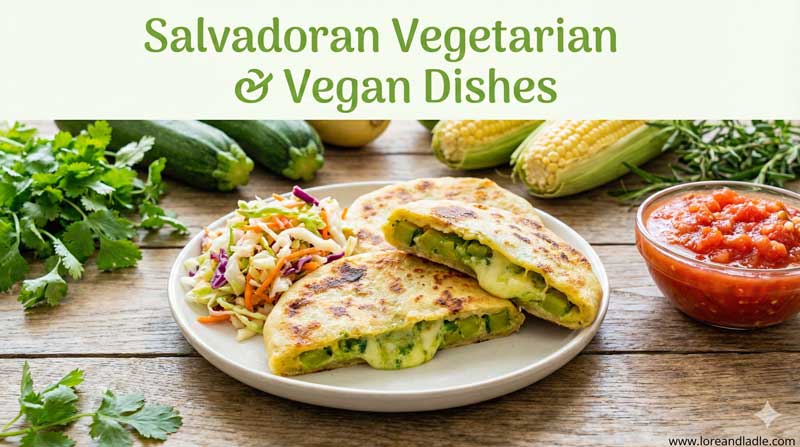
Discover vegan bean and veggie pupusas Loved Across the U.S.
Welcome to a warm exploration of a dish that shines in kitchens and on tables across the country. The vegan bean and veggie pupusa is more than food; it is a celebration of craft, flavor, and community. Each bite combines tender masa with a bright, plant-based filling. The result is comforting, lively, and deeply satisfying. This dish invites a shared moment around a plate and invites cooks to bring fresh ingredients to life with skill and care.
The heart of pupusas: masa, harmony, and handcraft
At the core, pupusas are made from masa, a soft dough of ground corn. The masa becomes a gentle cradle for fillings, and it loves to meet heat on a hot griddle. When pressed just right, the masa forms a warm, creamy interior with a lightly crisp edge. The technique is simple, but it rewards attention. In many kitchens, the act of shaping, filling, and cooking becomes a small ritual. This ritual connects generations of cooks to the sun-warmed corn that nourishes communities. For the vegan version, the fillings emphasize beans and vegetables, letting natural flavors lead the way and offering a bright contrast to the comforting masa shell.
Bean and veggie fillings: color, texture, and nourishment
The vegan bean and veggie fillings celebrate color and texture. Black beans, pinto beans, or refried beans provide a hearty body and a creamy contrast to the masa. Add sautéed vegetables such as peppers, onions, squash, spinach, or zucchini for sweetness and brightness. Fresh herbs and spices lift the filling without overpowering it. The result is a filling that is robust enough to satisfy and delicate enough to let the masa shine. This balance is the heart of the dish’s culinary appeal. Plant-based fillings make pupusas welcoming to a wide range of palates and dietary choices, while preserving traditional charm in every bite.
Crafting the masa: texture and care
The masa dough needs gentle handling. Water, salt, and masa harina come together to form a supple, pliable dough. The dough should hold its shape without cracking, yet it should yield softly when bitten. Pressing the dough evenly ensures a uniform thickness. A steady hand and a calm pace help maintain consistent texture across batches. In this way, the craft of masa links home cooks with professional kitchens, reinforcing the dish’s place in everyday cooking as well as celebratory meals.
Sensory delight: aroma, texture, and balance
The magic of these pupusas lies in the harmony of senses. The aroma greets you first: toasty corn and warm filling notes mingle as they hit the grill. The texture offers a gentle contrast—soft, airy masa and a tender filling with a satisfying bite. When topped or paired with fresh sauces, pickled slaw, or a tangy salsa, the flavors become lively without losing the dish’s core comfort. This combination invites mindful tasting and encourages cooks to adjust fillings to seasonal vegetables and local tastes.
Cultural value: shared meals and everyday joy
Pupusas have a special place in daily life and in gatherings. They invite hands-on participation, from mixing the masa to shaping each pupusa. The act becomes a small bond between family members, friends, and neighbors. Sharing pupusas creates a sense of belonging and welcomes visitors to the warmth of a shared plate. In this way, vegan bean and veggie pupusas contribute to a broader culture of care around food: simple ingredients, thoughtful preparation, and generous portions that invite conversation and connection.
Culinary significance: plant-forward sandwiches of the corn era
This dish stands out in the world of plant-forward cooking for its balance of tradition and adaptability. The gluten-free nature of masa makes pupusas naturally inclusive, while the tortilla-like shell offers a familiar form that travels well in menus and home kitchens. The fillings showcase everyday vegetables and pulses, turning pantry staples into a vibrant, satisfying meal. The result is a versatile star that fits casual weeknights, festive weekends, and community events alike. People appreciate the way a humble combination becomes something memorable when crafted with care.
A nationwide embrace: across the United States
Across the United States, this dish travels through bakeries, food stalls, family kitchens, and contemporary Latin eateries. In sunny coastal towns and bustling inland cities alike, chefs adapt fillings to local produce and seasonal bounty. Home cooks tailor toppings to taste, creating personal takes on the classic without losing the essence. The dish also becomes a shared experience at pop-up nights and farmers’ markets, where neighbors discover new flavors while honoring a timeless technique. The warmth of the pupusa travels well, inviting new fans to fall in love with a plant-based, corn-based staple.
Serving ideas: complementary accompaniments and simple rituals
A well-rounded plate often includes a few friendly companions. A bright salsa adds a zing of acidity, while a fresh slaw or pickled vegetables offer crunch and contrast. Extra toppings like sliced avocado, lime wedges, or a light drizzle of sauce can elevate the dish without overshadowing the filling. These small rituals—dipping, assembling, and sharing—enhance the meal’s communal feel. The result is a comforting, approachable experience that invites others to participate in cooking and tasting.
Closing reflections: celebrating skill, flavor, and community
Discover vegan bean and veggie pupusas Loved Across the U.S. is more than a recipe; it is a celebration of culinary ingenuity and cultural richness. The dish showcases how plant-based fillings can partner with traditional masa to create something both nostalgic and fresh. It invites cooks to honor technique while inviting new ingredients and tastes. In every bite, there is a story of care, skill, and shared joy. This is food that invites companionship, warmth, and lasting appreciation for the art of good cooking.