
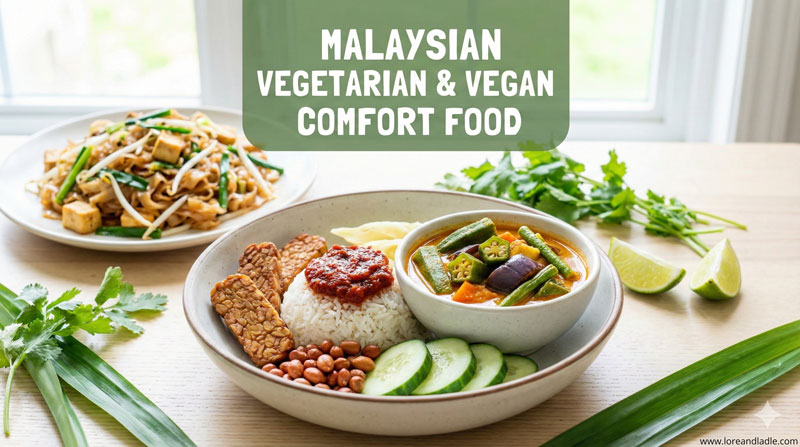
Better-Than-Takeout Vegan Char Kway Teow You Can Make in Your Own Kitchen
Char Kway Teow, in its vegan version, shines as a bright example of how a beloved street-food dish can live in your home. This post explores its cultural value and culinary significance. You will find that the dish invites skill, care, and creativity to come together in a single wok. The result is a plate that feels both familiar and exciting, a testament to how tradition can thrive in a modern kitchen.
A Dish That Speaks Through the Wok
Char Kway Teow is a fast, confident stir-fry that relies on contrast: smoky aroma, soft noodles, crisp vegetables, and a deep, savory glaze. In home kitchens, this technique becomes a conversation between heat and time. The dish rewards careful timing and steady hands. When you plate it, you offer more than food—you offer a moment of shared delight, where every bite tells a story of skill, fire, and patience. The vegan adaptation stays true to the spirit of the dish, emphasizing texture, balance, and a bright, lingering finish.
The Cultural Role of Char Kway Teow
This dish is a vivid thread in the fabric of Southeast Asian cooking. It travels across markets and home kitchens, carrying a well-loved set of flavors: soy, garlic, and a subtle sweetness that shines when the noodles meet a hot wok. A plate of vegan Char Kway Teow reflects a community’s appetite for quick, nourishing meals that honor technique. It invites cooks to celebrate aroma, color, and texture in a single preparation, making a casual weeknight meal feel special and meaningful.
Core Ingredients and Their Significance
The base uses flat rice noodles, which soak up sauce and flavors while remaining tender. Tofu provides protein and a satisfying bite, while mushrooms add a deep, earthy note. Bean sprouts bring crunch and freshness, and chives lend a gentle onion brightness. The sauce blend typically includes light soy for salt, dark soy for color, and a plant-based sauce to mimic the depth of traditional ingredients. A touch of sugar balances salt, and a dash of chili or chili paste adds warmth. Each ingredient plays a role in the dish’s harmony, making a simple plate feel complete.
The Technique: Wok Hei and Quick Stir-Fry
The magic of Char Kway Teow comes from wok hei—the smoky, charred aroma that only a hot wok can deliver. To achieve it at Home, keep the pan blazing hot and work in small, rapid batches. Aromatics sizzle quickly; add proteins first to seal their texture, then toss in noodles so they absorb the sauce without turning mushy. Finally, fold in greens and sprouts for brightness. The result is a sheen of glossy sauce, a hint of charring, and noodles that cling to just enough bite to whisper of the heat they conquered.
Plant-Based Adaptations That Sing
A vegan Char Kway Teow honors tradition while embracing plant-based ingredients. Replace eggs with silky scrambled tofu or omit them for a lighter texture. Use vegetarian oyster sauce or a rich mushroom sauce to replicate the savory depth of seafood-based sauces. Tamari or dark soy can replace fish sauce’s depth, while a splash of rice wine or rice vinegar can lift the glaze. The key is to preserve the umami, the sweetness, and the smoky edge, so the dish remains soulful and satisfying.
Serving, Pairings, and Shared Moments
Serve Char Kway Teow hot, with a wedge of lime on the side and a drizzle of chili sauce if you like heat. The dish pairs beautifully with crisp cucumbers or fresh herbs that brighten each bite. In many kitchens, it becomes a centerpiece for a casual gathering, a dish people cheerfully share and recreate. The vibrant colors, the aroma, and the quick preparation remind us that a home kitchen can capture the spirit of street-side cooking while keeping it personal and inviting.
Cultural Significance in Everyday Cooking
Char Kway Teow stands as a living example of culinary creativity in everyday life. It celebrates speed, technique, and balance, showing how a single skillet meal can carry a sense of place and craftsmanship. The vegan version broadens access to a dish that many people adore, inviting plant-based eaters to participate in a shared culinary tradition. In homes and small kitchens alike, the dish reinforces a love for fresh ingredients, careful seasonings, and the joy of cooking that respects the past while welcoming the present.
Final Thoughts: Warmth, Flavor, and the Home Kitchen
This dish invites you to practice the art of quick, precise cooking and to savor the results with friends and family. A Better-Than-Takeout Vegan Char Kway Teow is more than a recipe; it is a ritual of flavor, texture, and aroma that honors technique and culture in equal measure. With a few thoughtful substitutions and a hot wok, you can recreate a cherished plate in your own kitchen—and carry its warmth into every meal you prepare.