
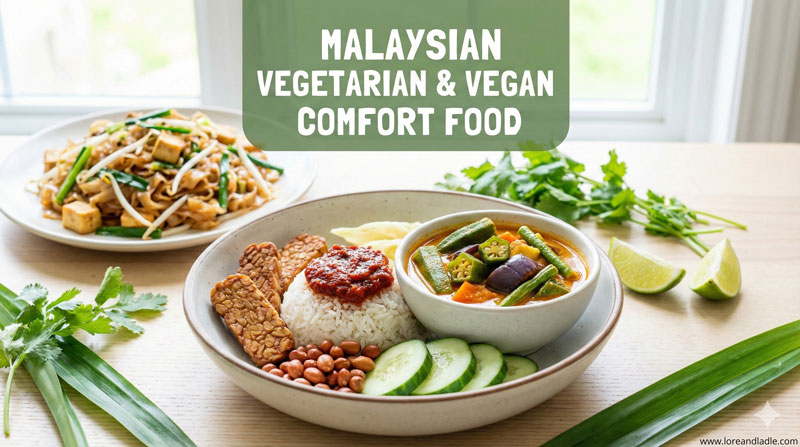
A Window into Malaysian Street Flavor
Char Kway Teow is more than a dish; it is a vivid expression of Malaysia’s bustling food scene. In crowded hawker centers and lively home kitchens, cooks orchestrate heat, timing, and aroma to create a welcoming plate. The scent of garlic, soy, and a hint of sweetness rises quickly, inviting you to taste the balance of textures. Chewy flat rice noodles meet crisp vegetables, while sesame-soft edges from the wok add depth. This vegan version honors that harmony, inviting everyone to savor a cultural classic with plant-based ingredients.
The Heart of Char Kway Teow: Wok Hei and Texture
At the core of Char Kway Teow is a breath of the wok—wok hei. That smoky, caramelized kiss comes from high heat and fast tossing. It elevates the noodles, giving them a gentle charring without bitterness. The dish also celebrates texture: slippery noodles, firm tofu, and crisp bean sprouts combined in a quick, bright stir-fry. In this vegan rendition, the goal remains to echo that lively contrast while keeping every bite light, fresh, and satisfying.
Embracing Vegan Ingredients Without Compromise
A vegan Char Kway Teow can be every bit as vibrant as the original. Substituting eggs with plant-based proteins or simply skipping them preserves the dish’s rhythm. Use firm tofu for substance and a meaty bite, and consider mushrooms for a savory depth. For the sauce, combine soy sauce with a touch of sweet soy (kecap manis) for color and richness. A vegan oyster sauce can provide the familiar umami without animal products. The goal is to keep the flavor profile clean, bright, and true to the dish’s character.
Ingredients and Tools That Honor the Dish
- Wide flat rice noodles (kway teow), fresh if possible
- Firm tofu, pressed and cubed
- Shiitake or oyster mushrooms, sliced
- Bean sprouts
- Garlic and a small amount of shallot for aroma
- Green onions or Chinese chives, chopped
- Sauces: light soy sauce, dark sweet soy sauce, vegan oyster sauce
- Optional: a pinch of white pepper and a squeeze of lime for brightness
- A hot wok or skillet for quick tosses
- A skillet or plate for staging ingredients so the stir-fry moves smoothly
Step-by-Step: Vegan Char Kway Teow at Home
1) Soak the noodles briefly if needed, then drain and pat dry. This prevents soggy strands.
2) Press and cube the tofu; pat dry again for crisp edges.
3) Heat the wok until it shimmers, then add a small amount of oil.
4) Sauté garlic and a touch of shallot briefly until fragrant.
5) Add tofu and mushrooms; stir-fry until the edges begin to color.
6) Push ingredients aside, add the noodles, and toss quickly.
7) Pour in a balanced mix of light soy, dark sweet soy, and vegan oyster sauce.
8) Toss again to coat evenly, then fold in bean sprouts and chives.
9) Cook just until sprouts are crisp-tender. Finish with white pepper and a light squeeze of lime if desired.
10) Serve immediately, letting the aroma invite others to share the meal.
Finishing Touches and Serving Joy
The final plate should feel bright and inviting. The noodles gleam with a subtle sheen, the tofu holds its shape, and the bean sprouts lend a crisp burst. Serve hot to preserve the wok aroma, and consider a light garnish of chopped chives or a wedge of lime. This dish shines in a shared meal, where the scent and texture invite conversation and appreciation for careful technique and thoughtful ingredients.
A Gentle Note on Cultural Significance
This vegan adaptation honors the spirit of Char Kway Teow—the craft of quick, high-heat cooking; the harmony of bold sauces with fresh produce; and the joy of a meal prepared with care. By focusing on technique, texture, and balance, you connect with a beloved part of Malaysian food culture in a way that respects both tradition and contemporary dietary choices. Enjoy the dish as a celebration of flavor, skill, and community.