
Introduction
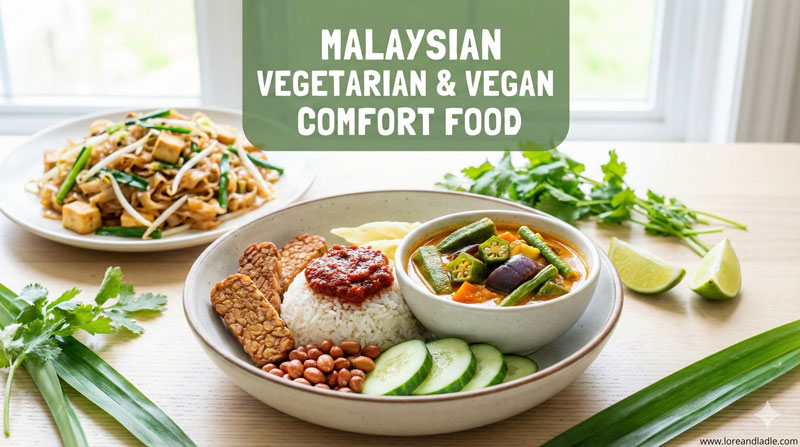
Vegan Char Kway Teow, marketed as a crave-worthy experience for U.S. food lovers, stands out for its vibrant balance of texture, aroma, and color. This dish embodies a treasured approach to wok cooking that many home kitchens can replicate with intention and care. Its appeal lies in how a handful of ingredients can sing together—soft noodles, crisp vegetables, smoky edges, and a glossy, savory glaze. The result invites sharing, curiosity, and a deeper appreciation for plant-forward cooking that remains faithful to its roots.
Cultural Value and Culinary Significance
Char Kway Teow anchors itself in street-food culture known for speed, skill, and communal eating. In its vegan form, it highlights how traditional flavors can be embraced without animal products, expanding accessibility and inviting a broader audience to enjoy a beloved dish. The technique—high-heat stir-frying in a well-seasoned wok—creates a distinctive wok hei, a slightly charred, smoky aroma that signals mastery and care. This essence connects a Home Cook to a long lineage of vibrancy found in street stalls, hawker centers, and cozy kitchens. The dish also demonstrates culinary adaptability: cooks honor iconic tastes while honoring contemporary preferences for plant-based meals. It becomes a bridge between everyday meals and a celebratory, restaurant-worthy experience, especially for those exploring bold Flavors in vegan form.
The Vegan Twist: Key Ingredients and Substitutions
A successful vegan Char Kway Teow centers on fresh, flavorful components. Core elements include flat rice noodles, firm tofu, garlic, shallots, and a handful of crisp vegetables. For depth, use a balanced blend of light and dark soy sauces, plus a vegan-friendly glaze such as vegan oyster sauce or mushroom-based sauce. Add shiitake mushrooms for savoriness and texture, and consider tofu puffs or pan-fried slices for bite. Bean sprouts and scallions or chives brighten the dish with crunch and color. A touch of sugar helps balance the savory notes, while white pepper adds gentle warmth. This combination preserves the dish’s familiar savor while allowing the vegan version to shine with clarity and brightness. The result resonates with U.S. diners who expect robust, clean flavors and a convincing sense of “authentic” street-food character.
Signature Technique: Wok Hei Without Eggs
The hallmark of Char Kway Teow is the quick, high-heat stir-fry that imparts wok hei. In vegan preparation, the technique remains the same, but the ingredients adapt. Preheat the wok until it’s nearly smoking, then add a light coating of oil. The goal is rapid movement of ingredients so noodles pick up smoky edges without sticking. During the stir-fry, layer garlic and shallots to perfume the oil early. Add mushrooms and tofu to develop depth, then fold in noodles with sauces to build a glossy glaze. Finally, toss in greens or bean sprouts at the end to preserve crunch. Practicing this sequence yields a dish with the characteristic aroma and savory brightness that fans of quick, confident cooking seek.
Flavor Profile and Sensory Experience
Expect a harmony of salty, umami-forward notes with a hint of sweetness. The noodles carry a delicate chew, while crisp vegetables provide contrast. Smoky edges from rapid wok-frying introduce a depth that lingers on the palate. The soy sauces contribute a rich color and resonance, while the vegan-friendly glaze reinforces a clean, rounded finish. The sensory experience is dynamic: first a savory aroma, then a glossy, peppery bite, followed by a satisfying chew from the noodles. This balance makes the dish appealing to U.S. food lovers who value both comfort and complexity in a single plate.
The Recipe: Quick Steps for Home Kitchens
Serves 2–3.
Ingredients:
– 200 g flat rice noodles, loosened and separated
– 150 g firm tofu, pressed and sliced
– 2 cloves garlic, finely chopped
– 1 small shallot, finely sliced
– 1 cup bean sprouts
– 2–3 stalks chives or green onions, cut into 2-inch pieces
– 1 tablespoon light soy sauce
– 1 tablespoon dark soy sauce
– 1–2 tablespoons vegan oyster sauce or mushroom-based sauce
– 1 teaspoon sugar
– 1 tablespoon neutral oil (like canola or peanut)
– Optional: 2-3 dried shiitake mushrooms, rehydrated; chili paste or fresh chili for heat
Steps:
1) Prep the noodles and toppings. Loosen the noodles, pat tofu dry, and have sauces measured and ready.
2) Heat a well-seasoned wok over high heat. Add oil and swirl to coat.
3) Add garlic and shallot; stir-fry for about 20–30 seconds until fragrant.
4) Add tofu and optional mushrooms; cook briefly until edges start to brown.
5) Add noodles and toss quickly to coat with oil and flavors.
6) Pour in light soy, dark soy, vegan oyster sauce, and sugar. Stir briskly to create a glossy glaze that clings to the noodles.
7) Fold in bean sprouts and chives at the last moment, just enough to warm them and retain their snap.
8) Taste and adjust with a touch more light soy or vegan sauce if needed. Serve immediately.
Tips: Keep the wok hot, avoid crowding the pan, and work rapidly to preserve texture and aroma. A squeeze of lime or a dab of chili paste can heighten the presentation.
Serving, Pairings, and Cultural Pleasure
Present Char Kway Teow as a communal dish, ideal for sharing. In a U.S. kitchen, serve it with a bright side like cucumber pickle, fresh herbs, or a simple sesame-seed crisp to add texture. Pair with a light, citrusy beverage or a cool jasmine tea to cleanse the palate between bites. The dish’s plant-based nature makes it approachable for diverse diners, while its bold flavors invite repeated tasting. It’s a versatile centerpiece for weeknight plates or weekend gatherings, showcasing how a vegan adaptation can carry the heart and soul of a cherished street-food favorite.
Acknowledging Craft, Crafting Welcome
This vegan Char Kway Teow demonstrates how cultural foods can evolve with care and creativity. It honors technique, flavor, and the joy of sharing a vibrant plate. For U.S. food lovers, it offers a gateway to a familiar yet uplifting encounter with Asian-inspired street fare. The beauty lies not only in the final dish but in the mindful process: selecting quality ingredients, honoring the wok’s heat, and inviting others to taste and discuss the experience. In this way, the dish becomes a living part of a broader culinary conversation—one that celebrates plant-based ingenuity and the enduring pleasure of well-made, culturally resonant food.
Conclusion
Vegan Char Kway Teow is more than a recipe; it is a celebration of technique, texture, and the social joy of food. It invites cooks to explore wok cooking with confidence, to honor flavor balance, and to share a dish that resonates with plant-forward diners across the United States. With its smoky aroma, glossy sauce, and satisfying bite, it remains a favored choice for those who crave depth and heart in every bite.