
Introduction to the Dish
How to Make Restaurant-style Nasi Padang at Home (Indonesian Vegan & Vegetarian Dishes Idea) opens a door to a beloved food tradition. This style of cooking is celebrated for its balance of aroma, texture, and color. At its heart, it is a social and cultural expression that invites sharing, variety, and mindful preparation. In this blog, we explore the cultural value and culinary significance of Nasi Padang, with a vegan and vegetarian lens that honors plant-forward flavors while staying true to its restaurant-inspired spirit.
A Palette of Indonesian Flavors
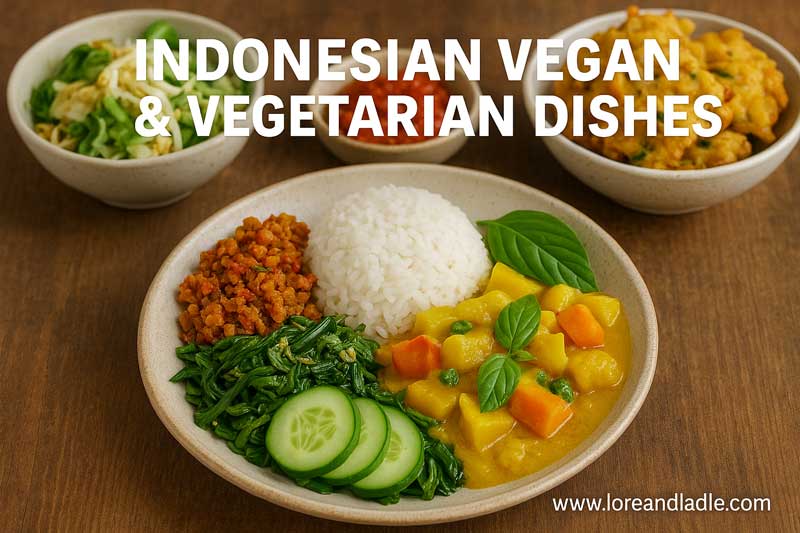
Nasi Padang presents a rich palette of tastes that reflect a regional diversity. The central plate—steamed rice—acts as a canvas for many small dishes. In a vegan or vegetarian version, you can savor:
- Savory vegetables in coconut milk, such as sayur lodeh or caponata-like mixes, which bring warmth and sweetness.
- Tofu, tempeh, or jackfruit prepared in spicy, tangy, or herbal sauces.
- Sambal, the bright core of heat and brightness, which can be adjusted to taste.
- Fresh herbs and crunch from vegetables, garnishes, and sesame or fried shallots.
The experience remains restaurant-style because each item is prepared with care, balanced for bold flavors and harmony. The result is a plate that feels both familiar and exciting, a testament to how a simple bowl of rice can become an artful spread.
Vegan and Vegetarian Traditions in Nasi Padang
Padang cuisine is renowned for its abundance of side dishes. Many dishes naturally suit vegetarian and vegan preferences when built with plant-based ingredients. The beauty lies in adaptation: plant proteins and vegetables shine when seasoned with garlic, chili, lemongrass, and coconut milk. In a vegan or vegetarian setup, chefs highlight textures—crunchy fern-grass vegetables, silky coconut curry, and chewy tempeh—so that each bite offers a distinct moment of flavor. This approach reveals how a regional culinary tradition embraces plant-based cooking while preserving depth, fragrance, and satisfaction.
How the Restaurant-Style Spread Captures Culture
A restaurant spread in Nasi Padang is more than food; it is a cultural ritual. Guests arrive with a sense of anticipation, guided by a display of dishes that tells a story of seasonality, technique, and household memory. The careful arrangement communicates hospitality: there is always something inviting for everyone, from the gentle to the boldly spiced. The act of choosing small portions mirrors a communal dining philosophy, where variety is valued and shared plates symbolize connection. In this way, the restaurant-style experience serves as a living showcase of Indonesian culinary artistry, inviting Home Cooks to participate without losing the essence of the tradition.
Techniques for Home Cooking: Respectful Stock, Sauces, and Rice
To recreate a restaurant-style spread at home, focus on balance and technique:
- Rice: Cook with patience to achieve fluffy grains that stand up to sauces.
- Sauces and vegetables: Prepare a few signature plant-based sauces—coconut curry, smoky tempeh glaze, and a bright herb relish—to provide depth.
- Texture contrasts: Include both soft curry vegetables and crisp fried elements or crunchy pickles to add variety.
- Temperature and aroma: Serve hot components promptly, then add fresh herbs or a squeeze of lime to brighten the dish.
With careful attention to seasoning and timing, you can deliver a refined, restaurant-inspired plate that remains vegan or vegetarian without sacrificing the core spirit of Nasi Padang.
Plating and Serving: The Experience of Sharing
Presentation matters in a way that honors the dish’s social roots. Arrange rice as the centerpiece, surround it with small bowls of plant-based sides, and keep sambal and fresh condiments accessible. A calm, welcoming presentation invites guests to explore flavors one by one, or to mix and mingle bites as they please. The act of sharing enhances the cultural value, turning a meal into a moment of togetherness and appreciation for plant-forward Indonesian cooking.
Sourcing and Seasonal Ingredients
Local markets offer a treasure of vegetables, herbs, and plant proteins ideal for Nasi Padang. Look for fresh greens, sturdy mushrooms, firm tofu, tempeh, and bright chilies. Fresh aromatics—garlic, shallots, basil, lemongrass—enrich the sauces. By choosing seasonal ingredients, you honor farmers and the land, while ensuring vibrant flavors and sustainable cooking.
Final Thoughts: Celebrating Flavor and Culture at Home
This dish invites us to honor Indonesian culinary craftsmanship in our own kitchens. By focusing on plant-based adaptations, we celebrate the versatility of Nasi Padang and its ability to shine through vegan and vegetarian dishes. The result is a restaurant-inspired experience that remains approachable, respectful, and deeply satisfying. Embrace the variety, savor the textures, and relish the cultural resonance of a meal that brings people together around a shared plate.