
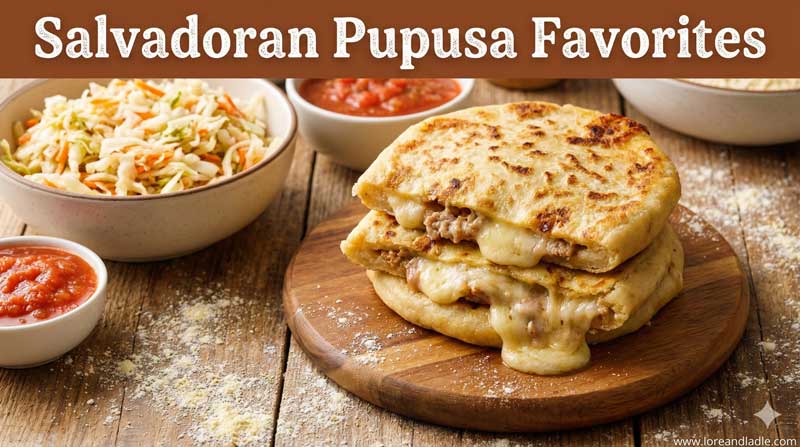
A Crispy-Soft Favorite Reimagined
Vegan-friendly bean and veggie pupusas are winning over U.S. food lovers with their bright flavors and comforting textures. This dish blends corn masa, hearty fillings, and careful technique into a small, hand-held feast. Each bite delivers a balance of savory depth and fresh vegetable sweetness. The serving tradition adds color and sound to the experience, making the moment feel like a celebration of everyday cooking.
Cultural Value: Shared Tables and Craft
Pupusas sit at the heart of many family and community meals. They are made with care, often by hand, and shared with friends and neighbors. The process invites conversation, collaboration, and a sense of belonging. When a cook presses the masa, flattens the dough, and fills it with beans and vegetables, the act becomes a small ceremony. The finished pupusas arrive on a plate with curtido and salsa, inviting everyone to create their own perfect bite. This ritual highlights the joy of cooking as a communal craft.
Culinary Significance: Technique and Texture
The backbone of these pupusas lies in the masa dough. Masa harina mixed with warm water and a pinch of salt forms a pliable, elastic base. The filling—made from mashed beans and sautéed vegetables—offers protein, fiber, and color. The key is folding a pocket of masa around the filling without breaking it, then gently pressing it into a thick disk. A hot comal or skillet sears the exterior to a crisp, while the interior remains soft and moist. The result is a contrast that delights the palate: a crackling crust, a tender center, and a core full of savory flavor. The technique mirrors a timeless approach to craft: simple ingredients, patient handwork, and precise heat.
The Vegan Twist: Respecting Flavor While Plant-Based
Adapting pupusas for vegan eaters preserves the spirit of the dish while embracing plant-based ingredients. Beans provide creamy, satisfying texture without dairy, while vegetables introduce brightness and crunch. The fillings can showcase peppers, zucchini, spinach, onions, or mushrooms, all seasoned to echo familiar pupusa flavors. This vegan approach highlights adaptability in traditional cooking, proving that a beloved form can welcome new ingredients without losing its identity. The result is a filling that tastes full and grounded, matching the comforting promise of classic pupusas with a modern, inclusive touch.
Serving Traditions: Curtido, Salsa, and Color
A pupusa often arrives with curtido—a tangy, crunchy cabbage slaw lightly fermented with lime and mild seasonings—and a bright tomato salsa. These accompaniments lift the dish with acidity and freshness, balancing the richness of the masa and the filling. The colors of curtido, salsa, and the warm golden crust create an inviting plate that looks as good as it tastes. When diners build their own bite, layering texture and brightness, the meal becomes a playful and communal experience. This assembly ritual is as much a part of the culinary story as the filling itself.
Regional Craft: Varieties Within a Shared Form
Across regions, chefs experiment with fillings while honoring the core method of shaping and cooking. Some versions emphasize a denser bean purée, others highlight vibrant vegetable medleys. The vegan-friendly approach invites a wide range of vegetable combinations, allowing cooks to tailor fillings to seasonal produce or personal preferences. This flexibility showcases how a traditional form can evolve while keeping its essence intact: a tortilla-like shell that encases a flavorful, plant-based heart.
Why U.S. Foodies Are Drawn to It
First, the dish centers on familiar, friendly ingredients—corn masa, beans, and vegetables—making it approachable for many tasters. Next, the texture story is compelling: a crisp edge and a soft interior create a satisfying mouthfeel. Additionally, the cultural narrative behind a shared meal, the hands-on preparation, and the visual appeal of a colorful plate resonate with readers seeking authenticity and warmth. Finally, the vegan angle invites diners to explore a traditional form through a modern lens, widening its appeal to vegetarians, vegans, and curious eaters alike. In short, the pupusa offers comfort, craftsmanship, and cultural speaking points in every bite.
Home Kitchen Guide: Making It Yours
For Home Cooks, a few simple steps unlock this dish. Start with masa harina, warm water, and a pinch of salt to form a smooth dough. Prepare a bean filling by mashing cooked beans with a touch of olive oil, garlic, and spices. Sauté diced vegetables to add color and aroma. Scoop a small amount of dough, flatten it, add the filling, and seal the edges. Gently shape into a round disc. Cook on a hot, lightly oiled comal or skillet until the crust is golden and crisp. Serve with curtido and salsa roja or salsa verde. A side of avocado or fresh herbs can elevate the plate. With a little practice, the technique becomes natural, and the results are consistently inviting.
A Gentle Celebration of Flavor and Craft
These pupusas honor the beauty of well-made, plant-based food. They celebrate the simple joys of cooking: the scent of toasting masa, the bright pop of vegetables, and the comforting warmth of a hot bite on a cool day. They invite people to gather, share, and savor together. The vegan-friendly bean and veggie pupusas speak to a love of flavor, technique, and community, and that is why they keep winning over U.S. food lovers who seek nourishment, kindness, and a touch of culinary artistry in every meal.
Closing Thoughts
In every bite, the vegan-friendly bean and veggie pupusas offer a credible bridge between tradition and contemporary plant-based cooking. They are more than a meal; they are a cultural expression of care, craft, and shared appetite for colorful, satisfying food. As more kitchens embrace this approach, the dish continues to grow in popularity, inviting new tasters to discover a delicious, wholesome corner of Central American culinary heritage.