
Weekend Project: Mastering khinkali with chicken and dill in Your Own Kitchen
Khinkali are round, dumpling-like treasures that carry a gentle aroma of dill and a soft, juicy interior. This weekend project invites you to explore their texture, the craft of folding, and the cultural warmth they bring to the table. Cooking them at Home becomes a quiet ceremony of skill, patience, and care.
The heart of khinkali in Georgian culinary culture
In Georgian cooking, khinkali are more than food. They are a celebration of hospitality and togetherness. Families gather around a shared plate, each dumpling a small invitation to conversation. The filling and the broth inside are a symbol of abundance and generosity. Making khinkali by hand creates a connection between cook, ingredients, and friends. The dish honors tradition while welcoming modern variations, such as chicken and dill, with grace and simplicity.
Why chicken and dill? A gentle, bright pairing
Choosing chicken offers a lighter, clean base that lets herbs shine. Dill brings a bright, fresh note that complements onion and meat without overpowering them. Together they mirror a common Georgian approach: balance bright herbs with hearty meat. This pairing makes khinkali accessible for weekend cooks who want the comfort of tradition with a touch of everyday practicality. The result is fragrant, approachable, and deeply satisfying.
The craft: dough, filling, and folds
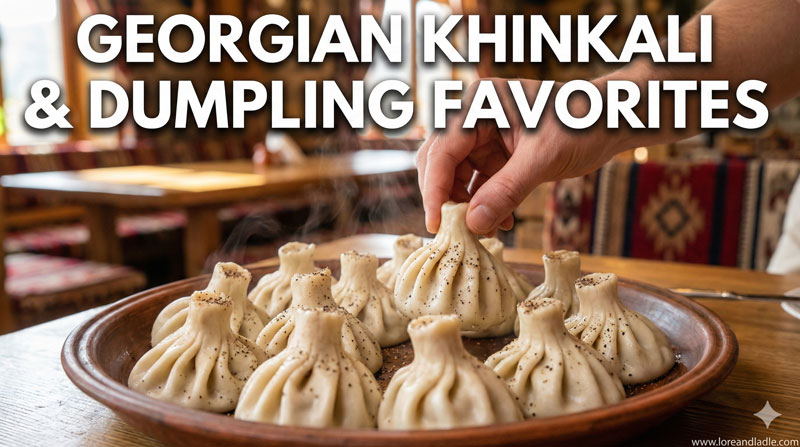
The magic starts with three quiet things: dough, filling, and folds. The dough rests, soft and pliable, waiting to become delicate wrappers. The filling blends minced chicken, finely chopped onion, fresh dill, salt, and a whisper of pepper. The key is gentle mixing so the mixture stays moist but not gluey. Folding is the signature moment. Each dumpling gains its shape from careful pleats that rise to a pinched crown. With practice, the folds become a small, decorative gesture that seals in the flavor.
Step-by-step approach for a weekend project
First, prepare the dough. Mix flour, a pinch of salt, warm water, and a little oil until a smooth ball forms. Let it rest for 20 minutes. Next, make the filling. Combine ground chicken, minced onion, chopped dill, salt, and pepper. Add a splash of water or stock if needed to keep the mix juicy. Then, roll the dough into thin rounds. Place a spoonful of filling in the center of each round. Fold and pinch the edges in a spiral of pleats, forming a neat crown on top. Finally, boil in salted water until the dumplings float and the dough looks matte but tender. Serve hot with a simple broth or a light dipping sauce.
Serving and savoring: rituals of eating khinkali
In the spirit of communal meals, present a steaming plate of khinkali to the table. Each person should grab a dumpling by the top, bite a small hole to sip the broth, and then eat the rest in a few careful nibbles. A pinch of black pepper or a squeeze of lemon can brighten the experience. The ritual centers on savoring the contrast between the delicate wrapper and the gentle, savory filling. Sharing these dumplings becomes a moment of quiet joy and connection.
Why this dish matters in cooking culture
Khinkali with chicken and dill embodies a balance between heritage and everyday life. It shows how a traditional dish can adapt with grace to other ingredients while keeping its core identity intact. The process teaches patience, precision, and respect for the craft. It also invites curious cooks to experiment with herbs and textures, expanding the conversation around what makes a dish feel timeless. The result is a meal that honors skill, warmth, and the simple pleasure of good company.
Tips for success and gentle variations
- Rest the dough well; a relaxed dough folds more easily and yields tender wrappers.
- Chop dill finely for even aroma in every bite.
- Keep the filling slightly moist but not watery to prevent soggy wrappers.
- If you prefer a heartier bite, add a touch of ground white pepper or a light herb mix.
- Freeze uncooked khinkali in a single layer, then store in a bag for future weekend projects.
- For a brighter version, finish with a drizzle of olive oil after cooking.
Conclusion: A welcoming project for your kitchen
This weekend project turns cook time into a small ceremony of craft and flavor. Mastering khinkali with chicken and dill connects you with a rich culinary tradition while inviting your own creativity. It’s a dish that welcomes guests, gathers stories, and invites repeat polish in the kitchen. Enjoy the process, savor the aroma, and share the beauty of this comforting, cultural delight.