
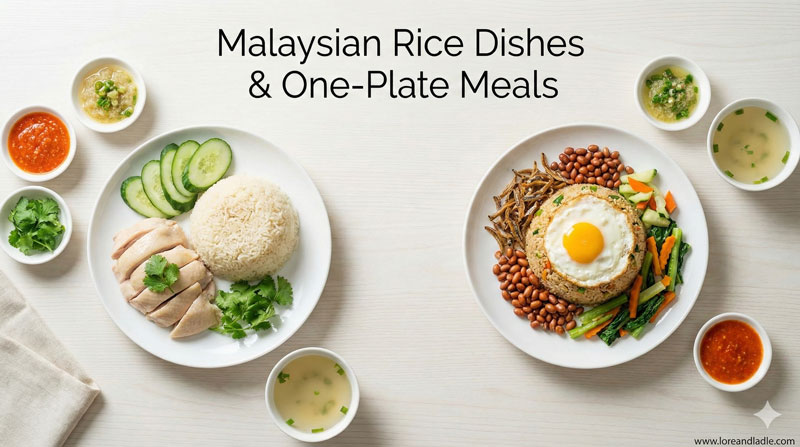
A Colorful Introduction to Weeknight Nasi Kerabu
Weeknight-Friendly Nasi Kerabu Ready in Under an Hour invites you to a meal that feels both fresh and rooted. This dish celebrates color, texture, and balance. It speaks softly of a kitchen that values local produce and simple techniques. You can taste care in every component. In this post, I focus on its cultural value and culinary significance. The aim is to appreciate the dish as a living part of food culture, not just a recipe.
The Blue Rice: A Symbol of Freshness and Craft
Blue rice starts the journey. The hue comes from butterfly pea flower, a natural dye that adds vibrancy without overpowering flavor. Consequently, the rice looks inviting and bright. The result is a gentle, nutty base that carries herbs and sauce beautifully. This color speaks to craft, seasonality, and a respect for ingredients. It is a quiet beacon of regional technique meeting daily meals.
The Herb Parade: Ulam and Kerabu
Nasi kerabu shines because it uses a garden in a bowl. Fresh herbs, known as ulam, form a crisp, aromatic layer. They wake the dish with brightness, citrus, and spice. A separate herb salad, the kerabu, adds texture and a zingy contrast. The combination of greens, chilies, and lime creates a story on the plate. In this way, the dish highlights the garden’s bounty and the farmer’s daily rhythm.
Textures that Speak: Rice, Crunch, and Creamy Elements
Texture is key. The soft, aromatic rice rests beside crisp herbs and protein. Crunch comes from toppings like toasted nuts or crackers. A creamy component, such as a well-cooked egg or a smooth sauce, rounds the mouthfeel. The result is a harmonious balance: gentle and bright, bold and fresh. Each bite offers a new facet without shouting.
Weeknight Magic: Time-Saving Techniques with Respect
Weeknight-Friendly meals must save time, yet they should honor tradition. Quick shortcuts keep the spirit intact. Pre-washed greens, fast-cooked protein, and a simmered sauce can all come together fast. Yet the dish remains faithful to its core: fresh herbs, fragrant rice, and a light punch of flavor. This balance proves that culture can be accessible, even on busy evenings.
Culinary Significance in Malay Cuisine
Nasi kerabu sits proudly in Malay cuisine as a versatile, festive-leaning everyday dish. It reflects a regional palate that loves bright herbs, gentle spice, and crisp textures. The dish demonstrates how local markets, home gardens, and family kitchens intersect. It showcases how color and aroma guide the dining experience. In this sense, it is both a rustic comfort and a refined plate.
Flavor Language: Balance and Harmony
The flavor profile is deliberate and expressive. Salty, sour, and mildly spicy mingle with fresh greens. The blue rice provides a neutral, comforting canvas. Bright herb oils and citrus lift the plate. A touch of fermented fish sauce or a tangy chili sauce adds depth. In short, the dish teaches how different elements can sing together without clashing.
Plating as Poetry: Visual and Olfactory Appeal
Plating matters. A neat arrangement signals care and hospitality. The contrast between blue rice and green herbs is striking. Fragrant herbs rise from the dish, inviting the senses before the first bite. The kitchen becomes a stage where aroma and color set the mood. This visual and olfactory choreography enhances the cultural experience.
Serving and Hospitality: A Shared Experience
Nasi kerabu is often shared in family meals and small gatherings. The act of setting the plate at the table mirrors community spirit. Guests are invited to mix components according to taste. In this way, the dish becomes an exchange of flavors as well as warmth. It embodies a welcoming approach to food culture.
A Culture of Freshness: Market to Table
Fresh market produce is a valued thread in nasi kerabu. Herbs, vegetables, and seafood or eggs connect local growers with Home Cooks. The cycle promotes seasonal eating and mindful sourcing. This respect for freshness reinforces cultural pride in everyday meals. The result is a dish that feels vibrant and alive.
Tips to Elevate the Everyday Experience
- Choose bright, fresh herbs for maximum aroma.
- Use butterfly pea flower for a vivid, natural blue rice.
- Keep proteins light and quick, such as grilled fish or eggs.
- Balance the plate with a tangy sauce and a crunchy topping.
- Plate with care to honor the colors and textures on display.
Conclusion: The Everyday Beauty of Nasi Kerabu
Weeknight-Friendly Nasi Kerabu Ready in Under an Hour is more than a quick meal. It is a doorway to culture, craft, and community. The dish blends color, aroma, and texture into a single, respectful experience. It shows how a traditional plate can adapt to modern life without losing its soul. When you enjoy it, you celebrate not just flavor, but the beauty of shared food and the skill of home cooks who keep a regional treasure alive. In this way, the dish remains a bright thread in the fabric of food culture.