
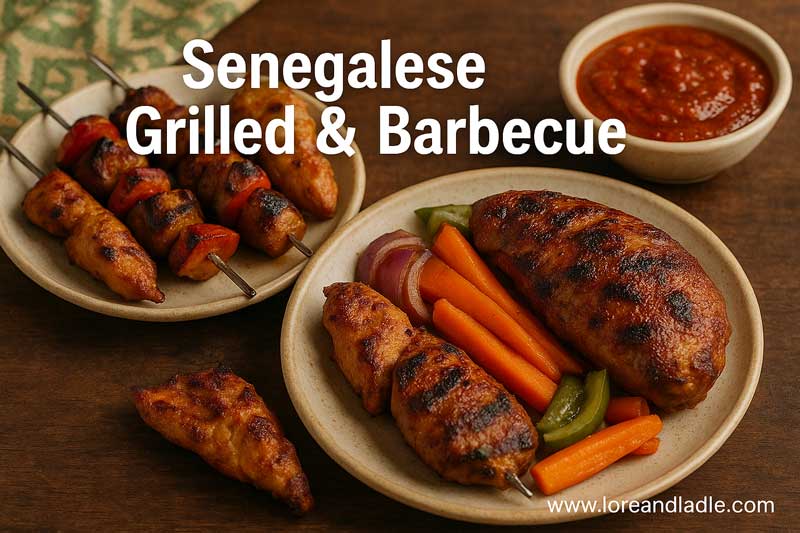
Mixed Meat Brochettes with Spices: A Flavorful Way to Explore West African Cooking at Home
Mixed Meat Brochettes with Spices invites you to taste the warmth of West African cooking in your own kitchen. The dish blends simple ingredients with a bright, aromatic spice mix, turning a quick meal into a celebration of taste and tradition. This round, colorful platter speaks to hospitality, craft, and the joy of shared food.
The Cultural Value of Brochettes in West Africa
Brochettes have long anchored gatherings around the grill. They appear at family feasts, market corners, and neighborhood celebrations, where friends and neighbors exchange stories as aromas rise from the flame. The format—meats threaded on skewers and finished with a lively spice rub—makes portions easy to serve, share, and savor. Each bite becomes a moment of social connection, a way to welcome guests and mark a warm occasion. In homes and on street corners alike, brochettes translate care into food and make communal eating feel natural and joyful.
The Spice Palette and Its Meaning
West African spice blends bring both heat and depth. A typical mix for mixed meat brochettes includes peppery heat, garlic, onion, and a chorus of warm spices such as cumin, coriander, and paprika, alongside roasted or ground peanuts in some regional versions. Fresh herbs and a touch of citrus lift the flavors, balancing richness with brightness. The result is a balance of smoky, sweet, and tart notes that signals a meal made for sharing. The spice language here is flexible, inviting cooks to adjust heat and aroma to suit the ingredients at hand, the season, and personal preference.
Technique and Texture: The Dance of Fire and Flavor
Grilling or broiling these skewers develops a savory crust while keeping the meat juicy inside. Mixed meats—beef, chicken, goat, or lamb—offer a spectrum of textures and flavors when cooked together. The marination process adds aroma and tenderness, so each bite carries a chorus of fat, lean meat, and spice. The rhythm of turning the skewers ensures even caramelization and a consistent smoky aroma that lingers on the palate. This technique shows respect for the ingredients and patience in cooking, turning a simple skewer into a small ceremony of flavor.
Regional Expressions Across West Africa
Across West Africa, skewered meat appears in many guises, each with its own name and touch. In some communities, a dry spice rub is rubbed directly onto the meat, while in others a more paste-like marinade coats the pieces. Different meats and spice intensities reflect local tastes and seasonal availability. What remains constant is the emphasis on fresh ingredients, careful preparation, and the social moment of sharing a meal together around a grill or stove.
Bringing Home: Creating a Shared Table
Making mixed meat brochettes at Home is also a doorway to cultural appreciation. Preparing a platter invites conversation about flavors, textures, and memories associated with meals and gatherings. Serve the skewers with simple sides such as fragrant rice, roasted plantains, or soft yams, and a bright salsa or fresh greens to balance richness. The act of feeding others—whether guests, family, or neighbors—embodies hospitality and kindness, core values that lace every bite with meaning.
A Simple, Respectful Home Guide
- What you need: mixed cuts of meat (chicken, beef, or lamb), a flavorful spice rub, skewers, oil, and a squeeze of citrus.
- A basic rub idea: combine ground pepper, garlic powder, onion powder, cumin, coriander, paprika, and a pinch of salt; add ground peanuts or sesame for depth if you like.
- Marinade concept: a short soak with a splash of citrus and a little oil helps tenderness and aroma.
- Cooking note: grill over medium heat, turning often for even browning, until juices run clear and the crust is well caramelized.
- Pairing idea: serve with simple grains, fried plantains, or a light salad to emphasize balance and harmony on the plate.
The Beauty of the Dish, Then and Now
Mixed Meat Brochettes with Spices celebrates the beauty of simple ingredients elevated through technique and care. It honors the craft of spice blending and the joy of sharing food in a warm, welcoming setting. By cooking these Skewers at home, you honor a culinary tradition that values texture, aroma, and generosity. This dish serves as a tasty reminder that great flavor often begins with curiosity, a respectful approach to ingredients, and a heart for hospitality.