
What Americans Are Loving About Salvadoran semita dulce sweet bread This Year
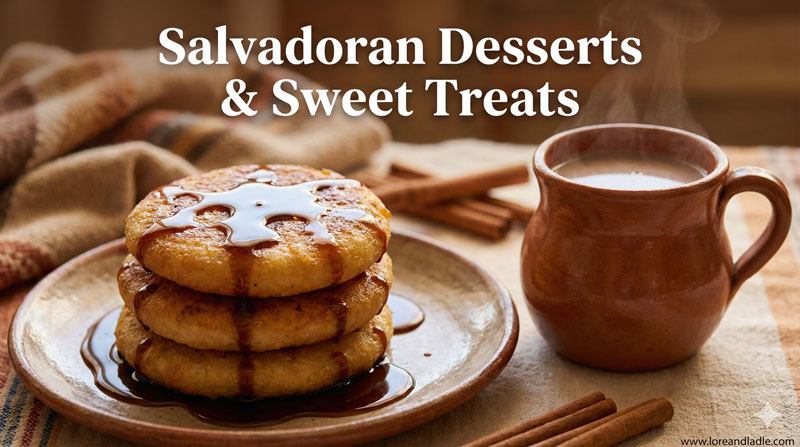
This Year, semita dulce has captured the attention of American bakers and diners. The bread’s gentle sweetness and cozy aroma invite a slower, more mindful bite. In cafes and kitchens alike, semita dulce offers a warm welcome, a small moment of comfort, and a bridge to Salvadoran culinary craft. The dish is celebrated not just for flavor, but for the care and tradition baked into every loaf. Readers will find a simple, inviting story in its texture, scent, and presence at the table.
The Craft Behind semita dulce
Bakers start with a rich dough that combines eggs, milk, sugar, and a touch of butter. This enrichment yields a soft crumb and a tender bite. The dough rests and rises with quiet patience, then is shaped into rounded loaves or small domes. A gentle glaze or a sprinkling of sugar crowns the top, catching the light as the bread bakes. The oven’s warmth seals flavor and creates a delicate crust that gives way to a soft interior. This crafted process speaks to a tradition of careful hands and shared recipes.
Flavor and Texture: A Gentle Balance
Semita dulce shines in balance. The crumb stays moist and light, never heavy, while the crust offers a subtle contrast. Aromas rise first—vanilla, a whisper of cinnamon, and a hint of dairy sweetness. The taste lingers with comforting sweetness that feels refined rather than flashy. The result is a bread that pairs beautifully with simple accompaniments, letting the natural richness of its ingredients take center stage. This thoughtful balance makes each bite both familiar and inviting.
Serving Moments and Traditions
This bread appears at many everyday moments. It accompanies morning coffee or tea, making breakfast feel a touch warmer. It also serves well as a late-afternoon snack, a companion to a glass of milk, or a shareable bite during a family gathering. Some enjoy it with a smear of butter or a light jam, others savor it plain to appreciate the dough’s quiet elegance. In essence, semita dulce becomes a small ritual—one that brightens ordinary moments with soft texture and fragrant promise.
American Appreciation: A Growing Trend
Across the United States, semita dulce is finding fresh homes in Latin bakeries, grocery aisles, and home kitchens. Food lovers respond to its comforting sweetness and refined crumb. The bread appears in bakery cases alongside other enriched loaves, inspiring new pairings with coffee, fruit preserves, or cream-filled desserts. This year’s trend highlights how a traditional Salvadoran sweet bread can enrich American menus, inviting tastings that honor craft, aroma, and a shared love of well-made bread.
Preserving and Sharing a Culinary Moment
The beauty of semita dulce lies in its ability to travel while staying true to its core. Bakers preserve a lineage of technique, while Home Cooks adapt the dough to personal rhythm. Sharing a loaf becomes a way to celebrate care, community, and flavor. As more people discover semita dulce, they also discover a quiet respect for the skill behind it. In every slice, there is a moment of connection—between recipe, maker, and the person who takes the first bite.