
Introduction
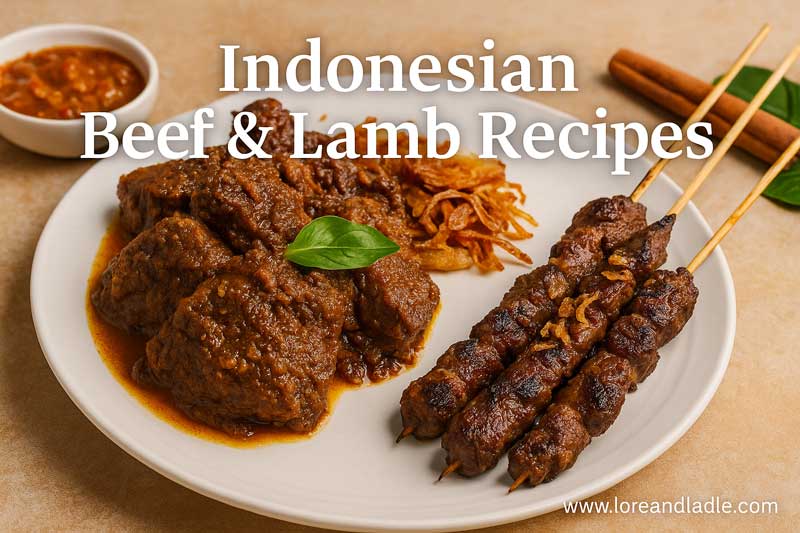
This post invites readers to explore seven Indonesian beef and lamb recipes that celebrate bold Indonesian flavor. Each dish reflects a unique regional voice, a craft passed down through kitchens large and small, and a mindful approach to spice, texture, and aroma. The collection highlights how Indonesian cooking blends coconut milk, fragrant herbs, and vibrant chilies to create dishes that feel both comforting and adventurous. These recipes illuminate the cultural value of shared meals, seasonal ingredients, and the art of slow, attentive cooking. They also reveal how flavor traditions travel from home kitchens to festive tables, carrying stories of family, community, and celebration.
Rendang Daging Sapi: Slow-Braised Beef in Coconut and Spice
Rendang Is a celebratory dish born from West Sumatra. It showcases patience, as beef braises for hours in a lush paste of coconut milk, turmeric, ginger, galangal, lemongrass, and a chorus of spices. The result is deeply fragrant meat with a rich, dark sauce that clings to every slice. Culturally, rendang marks gatherings, milestones, and shared meals. It teaches the kitchen to listen to heat and time, turning simple ingredients into a cherished ritual. The dish speaks to a culinary philosophy of balance: creamy sweetness from coconut, heat from chilies, and earthiness from spices. Rendang’s versatility makes it a symbol of hospitality, inviting everyone to taste and savor the careful craft of Indonesian cooking.
Rica-Rica Daging: Fiery Beef with Bright, Citrus-Herbal Notes
Rica-Rica is a Manado treasure that places bold chiles at the forefront. A bright paste of red chilies, shallots, garlic, and lemongrass coats the meat, then the beef braises briefly in a tangy, aromatic sauce. The cooking style emphasizes sharp, clean flavors that brighten the palate. Culturally, Rica-Rica embodies the lively spice culture of North Sulawesi, where pepper, citrus leaves, and fresh herbs elevate every bite. This dish shows how heat can be balanced with acidity and sweetness to create a memorable, palate-awakening experience. Serving Rica-Rica with steamed rice highlights the harmony between robust sauce and simple grain, a common principle across Indonesian meals.
Dendeng Balado: Crispy Beef with a Chili-Charged Balado
Dendeng Balado pairs a crisp, caramelized exterior with a hot, glossy chili sauce. Thinly sliced beef dries and pans to a crackly finish, then receives a generous gloss of balado—an intense chili, garlic, shallot, and tamarind blend. The result is textural contrast: a delicate crunch with a vibrant, peppery glaze. Culturally, dendeng balances street-food accessibility with home-cooked care. It appears in markets and Family kitchens alike, offering a way to celebrate bold flavors without sacrificing tenderness. The dish highlights how Indonesian cooks master heat and texture in harmony, creating a standout centerpiece or a robust accompaniment for rice and vegetables.
Sate Kambing: Charcoal-Grilled Lamb Skewers with Peanut Sauce
Sate Kambing brings lamb to the grill with fragrant spices and a creamy peanut sauce. The skewers develop a smoky, caramelized crust from charcoal grilling, while the sauce offers nuttiness, sweetness, and depth from spices such as coriander and cumin. Culturally, lamb satay is a social dish—perfect for gatherings, celebrations, and street-side snacks alike. It teaches restraint and timing: threads of meat must cook evenly over heat, then rest before sauce meets meat. The peanut sauce ties the dish to a broader Southeast Asian peanut-sauce tradition, while the lamb centerpiece invites a festive, communal dining experience that honors hospitality and shared flavors.
Gulai Kambing: Aromatic Lamb Curry in a Coconut-Garam Masala
Gulai Kambing is a coconut-rich lamb curry that hails from coastal and inland cooking styles across Indonesia. A fragrant braise of coconut milk, turmeric, cardamom, cloves, and cinnamon envelops tender lamb. The dish showcases the layering of spices and the generosity of the curry, which thickens to a lush sauce that clings to meat and rice alike. Culturally, gulai embodies ceremonial warmth and everyday abundance. It invites cooks to simmer with patience, letting spices unfold slowly. The result is a dish that feels both royal and approachable, suitable for Family meals and festive occasions alike. The cultural significance lies in how gulai brings communities together, sharing heat, aroma, and comfort through a single pot.
Rawon Daging: Beef in a Dark, Fragrant Keluak Broth
Rawon is a distinct, dark soup that centers tender beef and keluak seeds, which impart a deep, earthy color and a unique, nutty aroma. The broth blends garlic, shallots, cilantro, coriander, and black pepper, producing a flavor profile that feels deeply rooted in Indonesian coastal and inland kitchens. Rawon is treasured as a pantry-to-table dish: simple ingredients, bold impact. It often arrives at the table with accompaniments like telur asin (preserved egg), sambal, and rice. Culturally, rawon illustrates the regional pride of Surabaya and Java more broadly, where soup becomes a celebration of color, aroma, and the joy of shared bowls. The dish invites a mindful approach to how single ingredients—like keluak—add complexity and identity to a dish.
Semur Daging: Sweet-Soy Braised Beef with Aromatics
Semur Daging is a comforting beef stew that relies on sweet soy sauce, onions, garlic, and a gentle bouquet of spices. The result is meat that absorbs a delicate sweetness while maintaining depth and savoriness. Semur speaks to a home-cook tradition that emphasizes patience, balance, and warmth. It is a dish that travels well in Indonesian households, from morning prep to cozy dinners, and it often appears at family meals and festival tables. The cultural value of semur lies in its universal appeal: a simple yet rich preparation that brings people together around a pot, inviting conversation and shared nourishment.
Closing: A Feast of Culture, Craft, and Courage in Flavor
These seven beef and lamb dishes demonstrate how bold Indonesian flavor grows from regional gardens of spice, technique, and memory. Each recipe invites cooks to honor time-honored methods—slow braising, careful frying, precise grilling—while adapting to their own kitchens. The cultural significance lies in how these flavors tell stories of welcome, celebration, and everyday life. By exploring rendang, rica-rica, dendeng balado, sate kambing, gulai kambing, rawon, and semur, you step into a culinary conversation that is warm, diverse, and alive. Embrace the beauty of Indonesian cooking: a tapestry of scents, textures, and colors that invites curiosity, respect, and shared meals.