
A Taste of Halva in Uzbekistani Rice & Pilaf Traditions
A Taste of Halva – Uzbekistani Rice & Pilaf Specialties Flavor You’ll Love invites readers to explore a dish that celebrates texture, aroma, and togetherness. The preparation blends the comforting sweetness of halva with the savory, layered flavors of Uzbek pilaf. The result is more than a meal; it is a moment of hospitality, a sense of place, and a reflection of everyday artistry in the kitchen.
The Heart of Uzbek Hospitality
In Uzbek culture, food is a welcome greeting. A table set with steaming pilaf signals generosity and care. The idea behind this dish is simple: the cook weaves different tastes into one harmonious plate, inviting everyone to slow down and share. The fragrance alone can spark conversation, memories, and smiles. This dish embodies a philosophy of warmth and regard for guests, making it a staple at family gatherings and community meals.
The Core of Pilaf: Rice, Carrot, and Aromatics
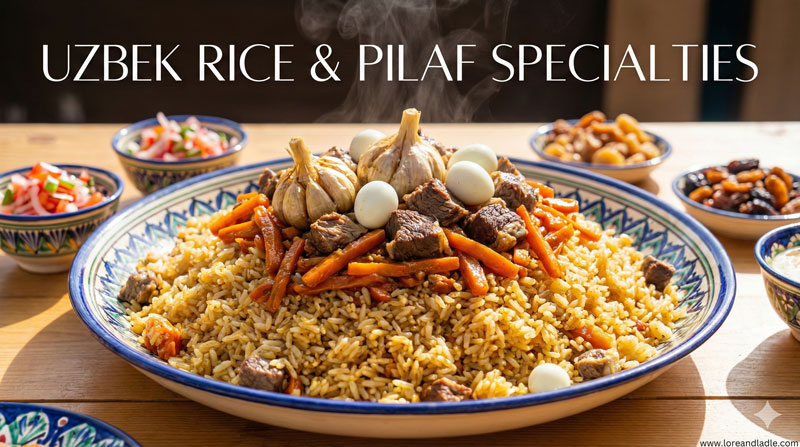
Uzbek pilaf, or osh, centers on rice cooked with onions, carrots, and meat. The technique matters as much as the ingredients. First, onions melt and color the fat. Then carrots add sweetness and depth. Rice is layered carefully to hold its shape. Spices—most often cumin and coriander—offer earthy warmth, while a touch of salt and pepper balances sweetness and savor. The result is a dish with a radiant aroma, a silky texture, and a lingering savory finish. Halva joins this balance by adding a soft, contrasting sweetness that elevates the overall harmony.
Halva’s Harmonious Touch: Sweet Meets Savory
Halva appears here not as a dessert, but as a companion to the pilaf’s savory heart. Its nutty, sesame-forward or seed-based character introduces a gentle sweetness that seems to answer the savor of meat and broth. The pairing highlights a culinary philosophy: diverse flavors can live together in one plate without overpowering each other. The moment when halva is tasted beside the rice and vegetables is a small celebration of contrast—sweet and savory, soft and aromatic, light and satisfying.
Techniques and Textures: Balancing Flavor
Crafting this dish requires balance and attention. Texture matters as much as taste. The rice should be tender but distinct, with each grain separate. Carrots should retain a slight bite for color and sweetness. The meat, if included, remains tender and infused with the spice blend. Halva softens on the palate, offering a creamy counterpoint. The cooking sequence matters: layering flavors gradually and finishing with a gentle simmer helps everything meld into one cohesive plate.
Cultural Moments: Feasts, Gatherings, and Daily Celebrations
This dish thrives at moments of sharing. It suits daily family lunches as well as larger feasts that mark milestones. In these settings, cooks pass on tips and memories with each step—How to dice onions just so, how long to toast spices, how to time the addition of rice to absorb broth. Such passing-down of technique and preference strengthens community identity and preserves a living tradition of cooking that welcomes new hands to the kitchen.
Sourcing Local Ingredients
The beauty of this dish shines when ingredients are chosen with care. Fresh, firm rice, good-quality meat or a rich vegetable broth, sweet carrots, and a fragrant spice mix lay the foundation. Halva lends its characteristic sweetness through sesame or nut ingredients, depending on the regional style. When local produce is used, the dish becomes a clearer reflection of season and place, enriching its cultural resonance.
Serving and Savoring: How to Present This Dish
Serve the dish hot, ideally in a shared platter to emphasize togetherness. Small bowls of bright herbs or pickles can accompany the plate, offering crisp contrasts to the soft pilaf. A pot of tea or a light, refreshing beverage complements the meal, inviting lingering conversations and a calm pace. The act of serving—passing dishes around, offering seconds, and savoring together—turns eating into an experience of connection.
A Simple Home Guide: Recreating the Experience
- Start with a clear, fragrant base: sauté onions in a bit of oil until translucent, then add shredded carrots and lightly caramelize.
- Add your preferred meat or opt for a savory vegetable version; pour in broth or water.
- Rinse rice until the water runs clear, then layer it over the vegetables and meat; season with cumin, coriander, salt, and pepper.
- Cook gently, letting steam and broth gradually infuse the rice. When nearly tender, finish with a light drizzle of oil to sheen the grains.
- Introduce halva at a small, balanced portion as a sweet-complement, allowing it to mingle with the savory steam of the dish.
- Serve hot, with fresh herbs on the side and a warm drink to round out the experience.
A Taste of Halva – Uzbekistani Rice & Pilaf Specialties Flavor You’ll Love celebrates a kitchen craft that blends contrast and harmony. It honors hospitality, showcases technique, and elevates everyday meals into meaningful cultural moments. Whether you cook it for family, guests, or personal reflection, the dish offers a delicious invitation to savor Uzbek culinary artistry.