
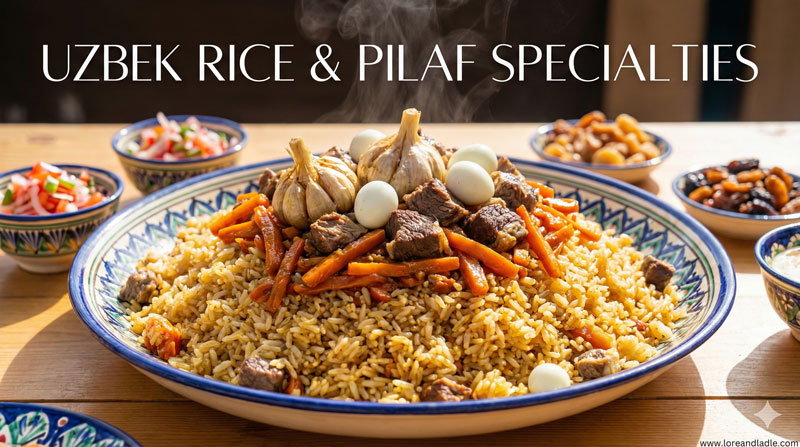
Perfect Lagman – Uzbekistani Rice & Pilaf Specialties Flavor You’ll Love
Lagman stands as a beloved centerpiece in Uzbek kitchens. Perfect Lagman celebrates its warmth, depth, and cultural memory. This dish bridges generations with every simmering pot. It blends hand-pulled noodles, a rich broth, tender meat, and bright vegetables. The aroma fills the room and invites conversation. In Uzbek culture, lagman is more than a meal; it is a quiet ceremony of care, shared with family and friends. This post explores its cultural value and culinary significance, inviting you to savor the story behind the taste.
What is Lagman?
Lagman centers on hand-pulled noodles that you can feel in every bite. Cooks stretch and twist dough into long strands, then cut them for a hearty, yielding texture. A fragrant broth forms the heart of the dish, often enriched with meat such as beef or lamb. Aromatic vegetables—onions, carrots, peppers, and sometimes tomatoes—join the pot. Spices like cumin, coriander, and black pepper add warmth and depth. Some versions finish with fresh herbs such as dill or cilantro. The result is a bright, comforting bowl where chewy noodles meet a savory, well-seasoned broth. Lagman embodies patience, skill, and a craftsman’s pride in a simple, balanced meal.
A Pillar of Uzbek Food Culture
In Uzbekistan, lagman is a symbol of hospitality and togetherness. Families gather around a large pot, sharing stories as the flavors simmer. The dish often appears on weekends, at family feasts, and during small celebrations, reinforcing bonds and warm conversation. Market stalls and home kitchens alike celebrate lagman as a food that welcomes people to the table. The act of serving and serving again honors guests and kin, turning a meal into a shared memory. In this way, lagman mirrors the wider Uzbek love of generous hospitality and thoughtful cooking.
The Harmony of Noodles, Broth, and Rice
Uzbek cuisine has a deep respect for grains, including rice and pilaf. Lagman, with its noodles and broth, complements the country’s famous pilaf in texture and ritual. On a single table, you may find a steaming pot of lagman beside fragrant plov, a symbol of abundance. The contrast between soft noodles and the tender, meaty broth creates a symphony of textures. The dish also highlights the balance of flavors: hearty meat, bright vegetables, and a spice blend that wakes the palate. This harmony reflects a central spirit of Central Asian meals—variety, warmth, and harmony at the same moment.
Regional Voices: Variations Across Uzbek Lands
Across Uzbekistan, lagman adapts to local gardens, markets, and family tastes. In mountain towns, cooks may favor a slightly spicier broth and a heartier vegetable mix. in the fertile valleys, the dish often glows with brighter tomato notes and a touch more sweetness from fresh peppers. Noodle thickness can vary; some homes prefer thinner strands, while others savor a more substantial bite. Herbs and seasonings drift with the season, reinforcing how lagman travels with people through the year. Yet in every version, the core idea remains: a shared pot, patient cooking, and a comforting bowl ready to welcome a guest.
Serving Traditions and Shared Meals
Serving lagman is an act of invitation. A large pot sits at the center, inviting people to ladle generous portions. Fresh herbs are sprinkled over the top to release aroma just before serving. A squeeze of lemon or a dusting of chili can brighten the finish, depending on taste. The dish is often enjoyed with bread on the side, providing a familiar rhythm to the meal. In many households, lagman is the anchor of a slower lunch or a celebratory dinner. The practice of sharing amplifies gratitude and makes the meal feel timeless.
Modern Kitchens and Timeless Craft
Today, home cooks honor lagman while embracing practical tricks. Some home kitchens use store-bought noodles for speed, while traditional cooks still hand-pull strands for a personal touch. Slow simmering breathes life into the broth, letting meat soften and vegetables release sweetness. Modern kitchens may refine the spice blend with a dash of fresh pepper or a hint of dried herbs, yet the heart remains intact: patience, attention, and care. In restaurants, lagman often appears with careful portioning and tasteful plating, preserving its rustic soul while inviting new diners to discover its charm.
Conclusion: A Flavorful Window into a Rich Culinary Heritage
Perfect Lagman reveals how Uzbek cuisine values balance, craft, and communal joy. The dish weaves noodles, broth, meat, and vegetables into a comforting story called home. It teaches patience in technique and generosity in sharing. When you savor lagman, you taste more than ingredients—you taste culture, memory, and the harmony that comes from gathering around a common table. Let this dish inspire your next meal as a respectful celebration of Uzbek culinary artistry.