
Introduction
Vegan Nasi Lemak invites you into a kitchen where coconut rice steams with air and aroma. The dish balances spice, cream, and crunch in a single plate. When you read about How to Make Vegan Nasi Lemak Just Like a Malaysian Restaurant, you are stepping into a tradition of everyday meals that travel from home kitchens to cozy eateries. This post celebrates its cultural value and culinary significance, with a clear path to a restaurant-style plate that stays kind to vegetables and to the hands that prepare it.
The Essence of Nasi Lemak
Nasi Lemak is built on a simple idea: fragrant rice, rich with coconut, paired with bright sambal and crisp textures. In many Malaysian homes and stalls, the dish is a sturdy companion for breakfast, lunch, or supper. The timing, the aroma, and the careful balance of flavors make it a comforting ritual. The dish showcases how everyday ingredients can become memorable when they are treated with care and respect. The vegan version keeps the same spirit, letting coconut rice, spicy sambal, and crunchy toppings lead the way.
The Vegan Twist
The vegan approach honors the same balance. It preserves the creamy, slightly sweet rice and the heat and brightness of the sambal. It replaces animal proteins with plant-based options that still deliver texture and satisfaction. Tempeh, tofu, or mushroom bites can stand in for non-vegan elements, while roasted peanuts and fried shallots add crunch and depth. The goal is not to imitate exactly what came before but to honor the culture by keeping the sensory signature intact: a plate that feels familiar, inviting, and true to its roots.
Core Components
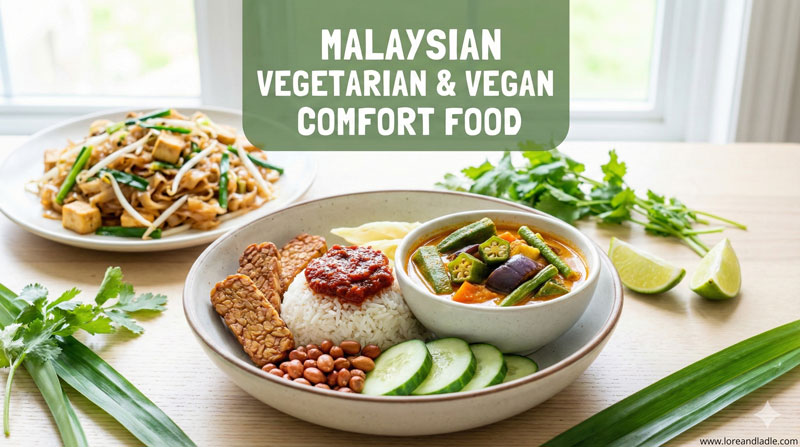
- Coconut rice: Jasmine rice cooked with coconut milk, a pinch of salt, and a pandan leaf if you have it. The result is tender, aromatic, and comforting.
- Sambal: A bright, spicy sauce made from red chilies, shallots, garlic, and a touch of sugar and tamarind. The heat should lift the dish, not overpower it.
- Plant-based protein: Tempeh, tofu, or mushroom bites—seasoned and fried or pan-seared to gain a crisp edge.
- Crunch and freshness: Roasted peanuts, fried shallots, and cucumber slices provide contrast and balance.
- Optional garnish: A lime wedge for a hint of citrus or a drizzle of light soy sauce for depth.
Techniques and Flavor
First, prepare the coconut rice. Rinse the rice, then simmer it with coconut milk, water, and salt. If you have pandan, tuck in a leaf for an extra fragrant note. The rice should be fluffy and fragrant, not sticky clumps. Next, craft a lively sambal. Soften shallots and garlic in oil, then add chopped chilies. Cook slowly to develop sweetness; finish with a touch of tamarind for brightness and a hint of sugar for balance. For the protein, marinate tempeh or tofu briefly in a soy-based mixture, then fry until the edges are crisp. Finally, assemble with cucumber, peanuts, and fried shallots. The result is a plate that feels both homey and refined, much like a Malaysian restaurant service.
Cultural Significance and Shared Experience
This dish centers community and care. It is a pot of warmth that travels from kitchen to table, inviting conversation and connection. The aroma of coconut rice and sambal can spark memories of morning stalls, family gatherings, and shared meals after a long day. The act of assembling the plate mirrors a daily ritual: rice as the base, a spoonful of sambal for courage, a crisp bite of protein, and cool cucumber for relief. In many homes, preparing vegan nasi lemak becomes a small act of hospitality—inviting others to sit, share, and savor the familiar flavors together. The dish celebrates patience, balance, and the joy of simple ingredients transformed by care.
Presenting the Dish Like a Malaysian Restaurant
To evoke a restaurant-style experience at Home, plate with intention:
– Create a neat mound of coconut rice in the center.
– Spoon a generous ribbon of sambal beside the rice.
– Arrange protein in a few crisp pieces to contrast with the soft rice.
– Scatter roasted peanuts and fried shallots over the top.
– Add cucumber slices on the side as a fresh counterpoint.
– Optional: a lime wedge for brightness.
A drizzle of light sauce or a small side of pickled vegetables can elevate the plate without overpowering the balance. This presentation echoes the thoughtful plating you would find in a Malaysian restaurant, while staying friendly to plant-based cuisine.
Pairings and Atmosphere
Enjoy this dish with a hot cup of tea or a light, refreshing beverage. The aroma of pandan and coconut pairs nicely with a comforting tea or a cool citrus drink. The setting can be as simple as a wooden table at home or a small, welcoming cafe corner. The beauty lies in the harmony of textures and the warmth of shared bites.
Tips for Authenticity
- Keep the rice fluffy and moist; avoid over-stirring once the coconut milk begins to simmer.
- Taste and adjust the sambal’s heat and tang to your preference.
- Use a crisp protein to contrast with the soft rice and creamy coconut.
- Keep toppings bright and crunchy to preserve the plate’s variety of textures.
Conclusion
Choosing to make vegan nasi lemak with the care of a Malaysian restaurant is more than a recipe. It is an invitation to savor a cultural expression that values balance, aroma, and generosity. By focusing on the coconut rice, vibrant sambal, and crisp toppings, you honor the dish’s culinary significance and celebrate its enduring appeal. This plate can become a welcoming ritual in any kitchen, a small celebration of flavor, and a bridge to the shared love of good, thoughtful food.