
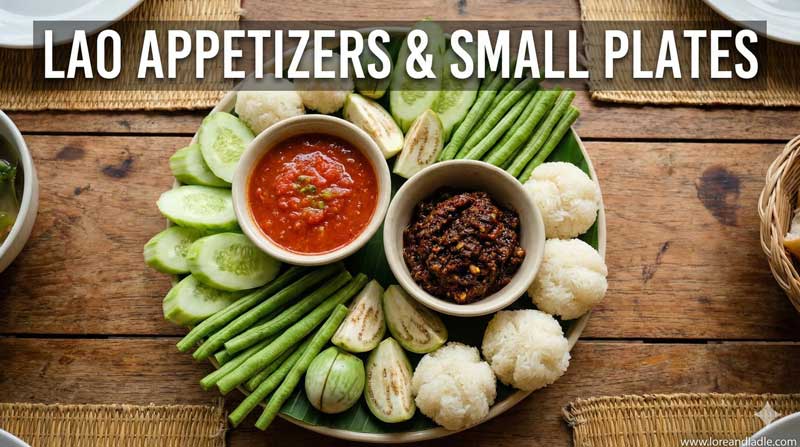
Cozy Cold-Weather Lao Appetizers & Small Plates Ideas
This guide introduces a warm collection built around Lao Flavors for chilly days. The idea is to celebrate how Lao appetizers and small plates can comfort a table and invite conversation. The focus stays on cultural value, culinary craft, and the beauty of seasonal ingredients. Expect bright herbs, gentle heat, and the charm of shared bites.
The Warmth of Lao Flavors in Cold Weather
Winter menus deserve dishes that glow from the inside out. Lao appetizers do this with aroma, texture, and a bright balance of flavors. Think sizzling grills, fragrant herbs, and a tangy finish that wakes the palate. The dishes feel intimate, designed for gatherings around a table. Each bite tells a story of seasons, markets, and careful technique. In cold weather, these small plates become a comforting ritual, inviting slow enjoyment and steady conversation.
Core Ingredients and Techniques in Lao Appetizers
Sticky rice, fresh herbs, and chili define many Lao bites. Lemongrass, garlic, shallots, and lime bring brightness. Fish sauce adds depth without heaviness. Techniques blend simplicity with craft: grilling over charcoal, steaming dumplings, light frying for crunch, and gentle pickling for tart notes. A classic element Is a dip called jeow—a vibrant, peppery accompaniment that complements vegetables and meats. These ingredients and methods create a spectrum of textures, from crisp edges to silky interiors, all harmonized in a single plate.
Signature Dishes and How They Shine
For a cozy cold-weather spread, consider these approachable ideas:
– Grilled lemongrass-infused skewers with a bright jeow dip.
– Steamed herb dumplings served with a citrus-chili sauce.
– Crispy tofu bites paired with a sesame-herb relish.
– Small plates of fish or chicken bites finished with lime, garlic, and pepper.
Each plate highlights balance: a pop of heat, a note of sour, and the comforting weight of aromatic herbs. The elegance lies in restraint—the flavors support one another rather than dominate.
Plating, Sharing, and Table Etiquette
Lao dining often centers on shared plates and a warm table. Present several small bowls of jeow alongside lightly seasoned bites. Use a common platter for the grilled items, and provide small spoons or thongs for dipping. Fresh herbs sprinkled on top add color and aroma. The arrangement should feel inviting, with varied textures in view. Sharing becomes part of the flavor experience, encouraging conversation and patience as everyone samples the lineup.
Beverages and Pairings
Pair these appetizers with light, refreshing drinks to cleanse the palate. Herbal teas work beautifully, especially those with mint or lemongrass. A crisp coconut-water base or a lightly sparkling non-alcoholic option can elevate the meal. If you choose alcohol, a mild, balanced option enhances the warmth of the spices without overpowering delicate herbs. The aim is harmony between drink and bite.
Crafting a Cozy Lao Menu for Cold Nights
To build a cohesive menu, start with a central herb-forward dish and weave in complementary textures. Alternate grilled items with steamed or crisp elements. Include a tangy dip to brighten every plate. Keep portions small so guests can try a range of flavors. Label dishes briefly to guide guests through flavor profiles. This approach makes the dining experience approachable while showcasing depth and craft.
Cultural Value: Community and Seasonality
These appetizers celebrate Lao culinary spirit in a seasonally aware way. Food becomes a bridge between farmers, markets, and families. The use of herbs and bright dips reflects a connection to fresh produce and a respect for flavor balance. Sharing meals strengthens bonds and makes winter evenings feel inviting and celebratory. The dishes honor tradition while inviting modern interpretation, keeping the table lively and inclusive.
Culinary Significance: Fermentation, Fresh Herbs, and Flavor Balance
Culinary significance lies in balance. Lao cuisine often seeks harmony among sour, salty, spicy, and savory notes. Fresh herbs offer fragrance and brightness; careful fermentation or pickling adds depth without heaviness. The small-plate format highlights technique and precision, inviting cooks to refine searing, steaming, and dipping. This approach showcases how simple components—rice, herbs, chili, lime—can become a nuanced, seasonal experience.
Experience Lao Cooking: Tips for Home Chefs
- Start with a bright jeow or herb relish as the anchor of the tasting.
- Use sticky rice as a comforting accompaniment and utensil-friendly element.
- Vary textures: combine a crisp element with a soft bite for variety.
- Keep heat adjustable; offer milder and hotter dips side by side.
- Plate with color: emerald herbs, red chilies, and pale rice balance visually.
These ideas invite you to explore Lao appetizers as a warm, seasonal tradition. They are crafted to feel intimate, respectful, and inviting to Cooks and guests alike. By focusing on cultural value and culinary significance, you can create a cozy, memorable cold-weather spread that honors flavor, community, and craft.